
£50–£100 Private Ear Wax Removal in the UK: What Clinics Charge
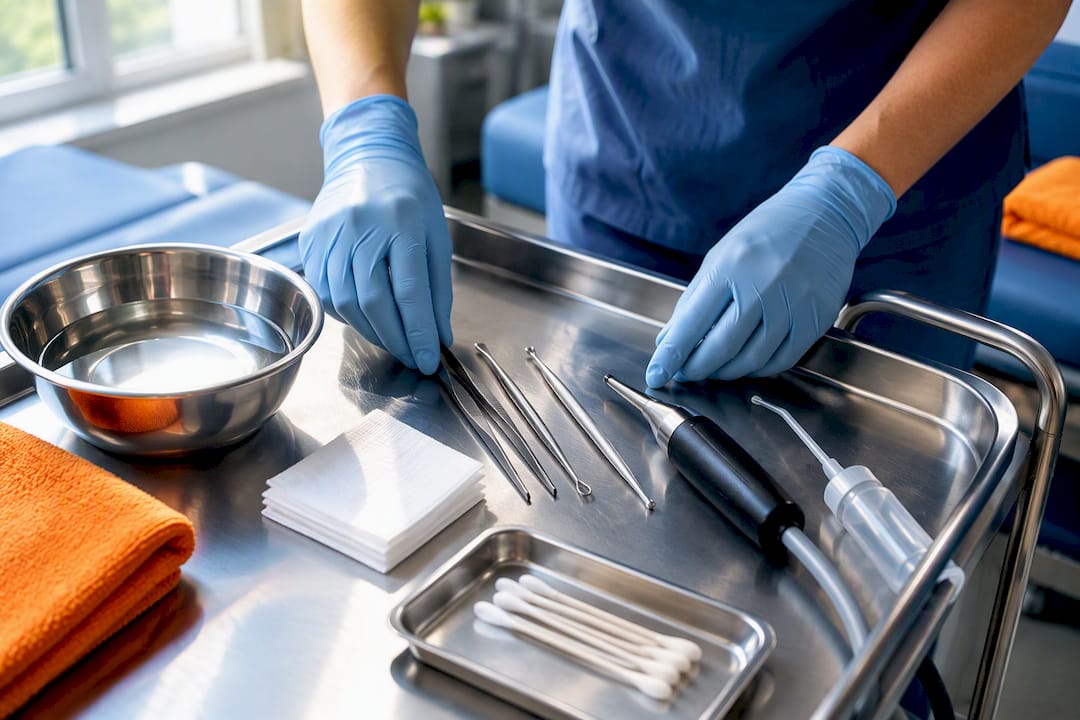
Private ear wax removal in the UK typically costs between £50 and £100 per appointment, with many high-street providers charging a flat fee that covers both ears. If your symptoms are mild, try softening drops for three to five days first. Book a microsuction appointment only if the blockage persists or your hearing doesn’t improve.
TL;DR:
Private ear wax removal costs between £50 and £100 in most UK clinics, with higher prices in London and the South East due to local overheads.
Microsuction is regarded as the safest and most comfortable method, but it tends to be the most expensive option, often at the higher end of the price range.
Confirm whether the quoted price covers one or both ears, as some clinics charge per ear, and check the method offered before booking.
NHS services for routine wax removal vary widely, and many areas no longer provide free or standard syringing, making private clinics a more reliable choice for quick relief.
Choosing a qualified, experienced clinic ensures proper infection control, accurate diagnosis, and better aftercare, especially for recurrent or complex cases.
Table of Contents
How much does ear wax removal cost in the UK?
Prices vary more than most people expect, largely because “clinic” covers everything from a pharmacy counter to a specialist audiology suite. Most private clinics charge somewhere in the region of £50 to £100 for a standard appointment, with home visits running higher because of travel time and equipment logistics.
Here’s how the typical price bands break down:
Standard clinic appointment: commonly £40 to £100, with a large cluster of high-street providers sitting around £50 to £65.
Home visits: typically £80 to £120, reflecting the extra travel and setup time involved.
“No wax found” or reduced consultation fee: many clinics still charge something if an examination shows no wax present, so it’s worth asking about this before you book.
Fixed high-street pricing: several well-known chains publish set prices, commonly around £55 to £60, which makes them useful benchmarks when comparing independent clinics.
One detail trips people up more than any other: whether the quoted price covers one ear or both. Most reputable clinics charge a single fee for both ears, but it’s not universal, so confirm it at the point of booking rather than assuming. Regional variation is real, too. Clinics in London and the South East tend to sit at the upper end of the £50 to £100 range, driven by higher rent and staffing costs rather than any difference in the treatment itself.
What removal methods do clinics use, and why do prices differ?
Three methods dominate UK private practice, and the one your clinic uses has a direct bearing on what you’ll pay.
Microsuction: a gentle vacuum device removes wax under direct vision, usually with a microscope or headlight. It’s widely regarded by private providers as the safest and most comfortable option for most adults, since there’s no water involved and the clinician can see exactly what they’re removing.
Irrigation (ear syringing): warm water is used to flush wax out, similar to the older NHS syringing method. It works well for soft, well-softened wax but isn’t always suitable if you have a history of ear infections or a perforated eardrum.
Manual instrumentation: a clinician uses small instruments, such as a curette or forceps, to lift wax out directly. This tends to be reserved for wax that’s visible and easy to reach, often alongside one of the other two methods.
Microsuction typically sits at the higher end of the price scale because of the equipment cost, the extra training clinicians need, and the time it takes to perform safely. Irrigation and instrumentation can be quicker and cheaper to deliver, but they’re not always appropriate for every ear.
Pro Tip: Ask which method your clinic actually offers before you book. A clinic advertising “ear wax removal” without specifying the method may only offer irrigation, which isn’t always suitable if your eardrum status is unknown.
What factors affect the price of ear wax removal?
Cost isn’t arbitrary. A handful of factors explain most of the variation you’ll see between quotes.
Practitioner qualifications: appointments run by an audiologist or specially trained nurse often cost more than a quick pharmacy-counter service, reflecting the extra clinical training involved.
Location and overheads: clinics in cities and the South East generally charge more than those in smaller towns, simply because rent and staffing cost more.
What’s included: a thorough appointment covers an otoscopy (a look inside the ear before treatment), the removal itself, and aftercare advice; cheaper quotes sometimes strip these back.
Cancellation and “no treatment” policies: ask what happens if you cancel late, or if the clinician finds no wax on examination. Some providers reduce the fee; others don’t.
What happens during your appointment, and how should you prepare?
A typical appointment follows a predictable pattern: a short discussion of your symptoms and history, an otoscopy to check for wax and rule out other issues, the removal itself, then aftercare advice. Most appointments last between 20 and 40 minutes, though some clinics allow more time if both ears need attention.
Preparation matters more than most people realise. NHS guidance recommends softening ear wax with olive oil or a suitable ear drop for several days before seeking removal, which makes the wax easier and more comfortable to remove and reduces the chance of a wasted trip.
Use drops for several days before your appointment, unless your clinic advises otherwise.
Confirm at booking who will actually treat you, whether it’s an audiologist, a nurse, or a GP.
Ask whether the price covers both ears or just one.
Check the clinic’s policy if no wax is found, since a reduced consultation charge is common.
Skipping the softening step is one of the most common reasons appointments overrun or need rebooking, so it’s worth the small effort beforehand.
Should you try the NHS first, or go straight to a private clinic?
NHS provision for routine ear wax removal varies enormously by area. Many integrated care systems have scaled back or fully decommissioned routine syringing services, which is precisely why private demand has grown so quickly. Some patients, particularly those with recurrent infections or certain medical conditions, may still qualify for NHS removal, so it’s worth checking local guidance before assuming you have to pay.
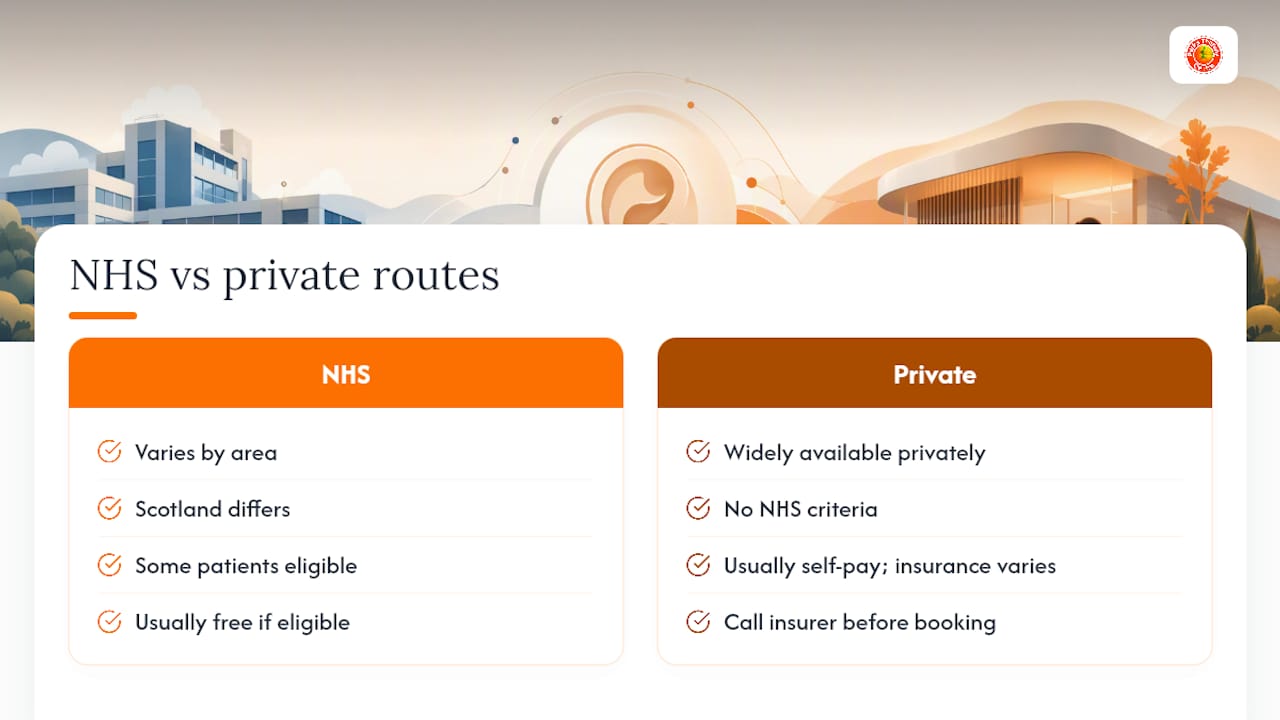
If you’re in Scotland, Healthcare Improvement Scotland sets quality expectations that can differ slightly from NHS England provision, so local checking still applies. Private medical insurance sometimes covers ear health treatments, but policies vary widely on pre-authorisation and exclusions, so a quick call to your insurer before booking can save an unwelcome surprise later.
Why choose a qualified clinic for ear wax removal?
A multidisciplinary clinic has operated in Bedfordshire and Buckinghamshire since 1986, offering various therapies and accepting private bookings and major health insurance. That kind of longevity tends to matter more than a flashy website when you’re trusting someone near your eardrum.
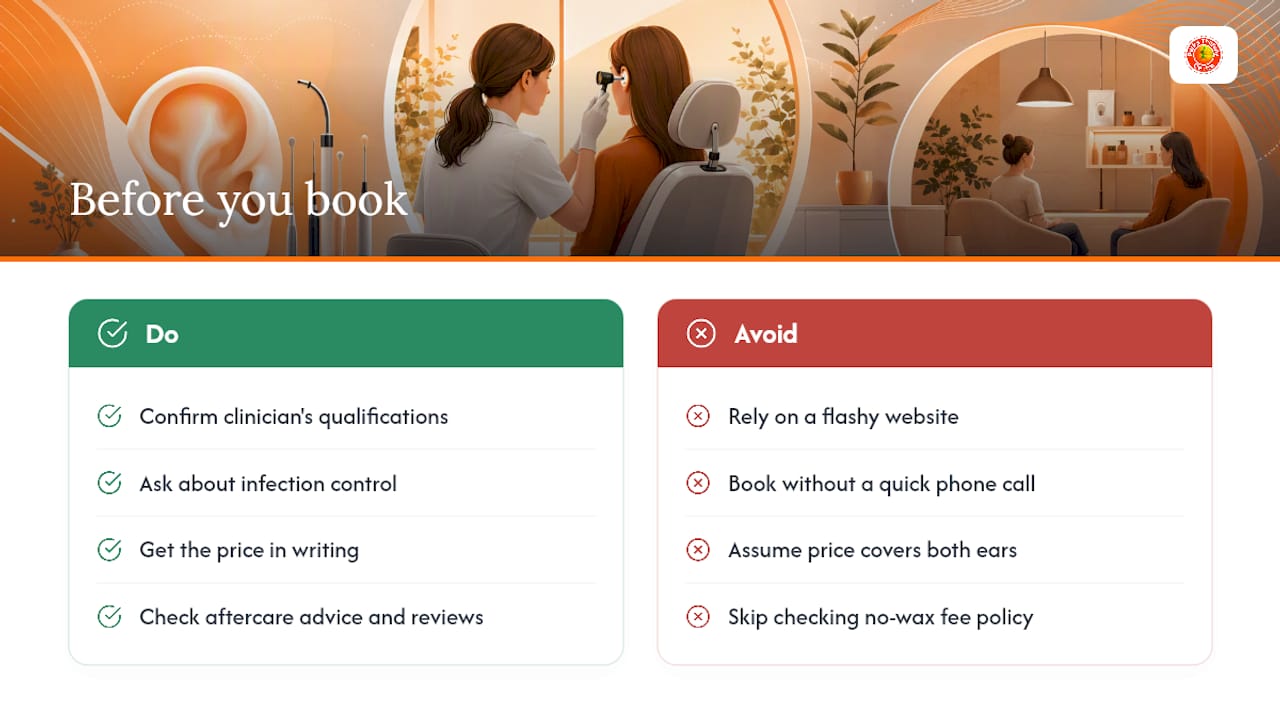
Before booking anywhere, run through a short checklist: confirm the clinician’s qualifications, ask about infection control between patients, get the price in writing (one ear or both), check the no-wax fee policy, and ask what aftercare advice you’ll receive. A quick phone call answering these questions, alongside a look at independent reviews, resolves most concerns before you ever sit in the chair.
When is paying privately actually worth it?
Private removal earns its cost when blockage is persistent, when you rely on hearing aids that wax keeps disrupting, or when NHS waiting lists stretch into months. For milder symptoms, drops for three to five days often do the job for free. When they don’t, a same-week private appointment buys fast, reliable relief.
— Ivan
Book ear wax removal with Parks Therapy Centre
Parks Therapy Centre offers ear wax removal for £70 as a straightforward one-off appointment, with the price and every other service listed openly on the prices page, so there’s no guessing before you book.

Operated by a multidisciplinary team, the clinic handles services from physiotherapy to hearing care and accepts private bookings and major health insurance. That means the person removing your ear wax works within a clinic that’s been accountable to local patients for decades, not a pop-up service passing through. If drops haven’t cleared things up after a few days, check the prices page and book an appointment at a location near you.
Sources
FAQ
Do the NHS offer free ear wax removal?
NHS provision varies significantly by area, and many integrated care systems no longer offer routine ear syringing. Some patients with specific medical needs may still qualify, so check with your GP practice or local NHS guidance before assuming you’ll need to pay privately.
How much do Boots charge to remove ear wax?
High-street pharmacy chains publish fixed prices, commonly around £60 for a standard appointment. Always confirm whether that figure covers one ear or both before booking.
How much is it to get your ears syringed privately?
Ear syringing, or irrigation, typically falls within the same broad £50 to £100 private clinic range as microsuction, though pricing depends on the individual clinic and practitioner. Parks Therapy Centre charges £70 for ear wax removal, with full details on the prices page.
Is it worth paying for ear wax removal?
For persistent blockage, hearing-aid users, or anyone facing a long NHS wait, private removal usually offers fast and reliable relief at a modest cost. For mild symptoms, softening drops for three to five days often resolve the issue without any appointment at all.
Recommended