
Proven ways to prevent chronic pain in 2026
- 14 hours ago
- 6 min read
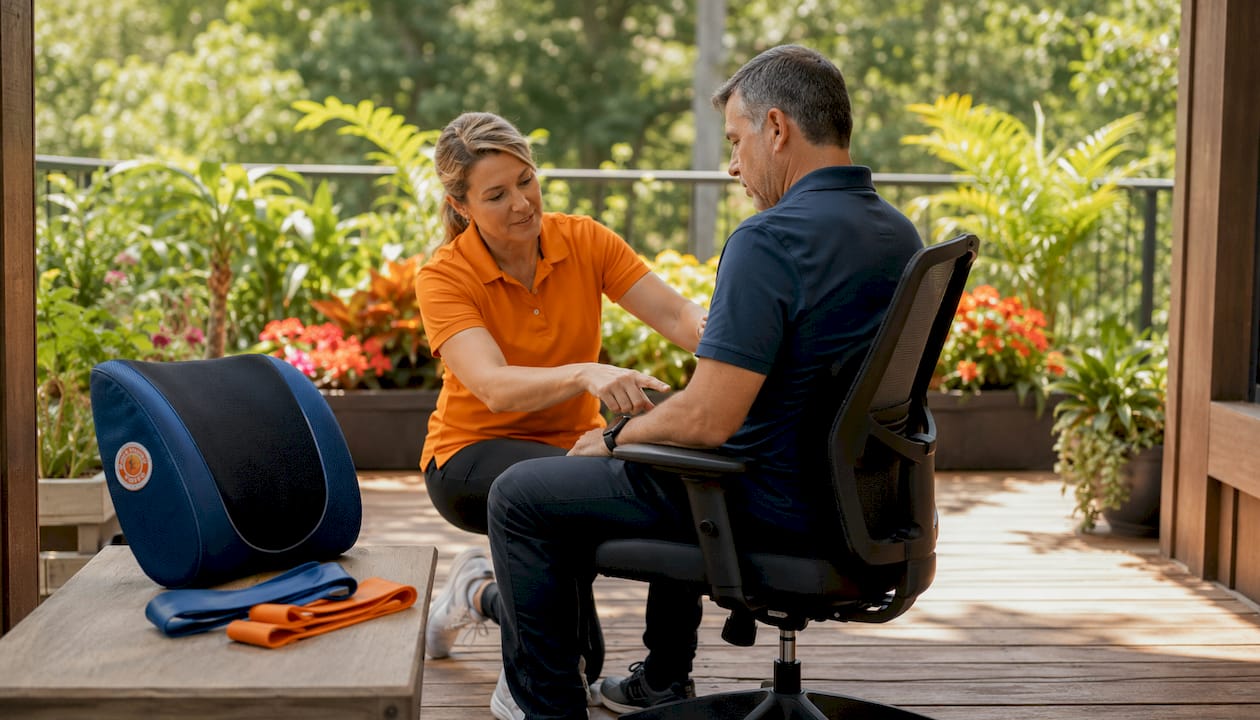
The most effective ways to prevent chronic pain combine early intervention, lifestyle changes, and psychological support. Waiting for pain to resolve on its own often allows acute discomfort to become persistent, and fewer than 50% of patients achieve adequate relief from a single treatment alone. A multimodal approach, grounded in the NHS biopsychosocial model, consistently produces better outcomes.
Key prevention strategies include:
Act early. Address acute pain promptly before it becomes chronic.
Move regularly. Gentle exercise such as walking, swimming, or yoga maintains joint health and reduces inflammation.
Manage stress. Relaxation techniques interrupt the stress-pain feedback loop.
Seek psychological support. Cognitive Behavioural Therapy (CBT) and Acceptance and Commitment Therapy (ACT) reduce pain-related anxiety and depression.
Adjust your lifestyle. Healthy weight, good sleep, and avoiding smoking and excess alcohol all lower chronic pain risk.
Stay connected. Social support and community engagement protect mental wellbeing and improve pain outcomes.
Optimise your environment. Ergonomic workplace adjustments reduce physical strain before it accumulates.
Table of Contents
1. Why early intervention is the most powerful prevention tool
2. Lifestyle changes that genuinely reduce chronic pain risk
3. Psychological and social strategies to reduce chronic pain risk
4. How Parkstherapycentre approaches chronic pain prevention
5. Preventive medical interventions, including medication and vaccination
1. Why early intervention is the most powerful prevention tool
Addressing pain promptly is the single most important step to avoid chronic pain. NICE guidance NG59 confirms that prolonged rest or inactivity worsens pain through muscle stiffness and loss of function, and that gentle movement early after acute pain onset is clinically recommended to prevent chronicity. Many people assume rest is best. Clinical evidence says otherwise.
Multimodal care, combining physiotherapy, patient education, movement, and stress management, outperforms any single therapy. This is why musculoskeletal pain treatment now centres on coordinated, multidisciplinary teams rather than isolated appointments.

Ergonomic adjustments at work also belong in this early-action category. Modifying workstation height, seating posture, and repetitive movement patterns reduces cumulative strain before it becomes a clinical problem.
Pro Tip: Avoid the “boom-bust” cycle. On good days, do only a fraction of what you feel capable of, then rest at timed intervals. Pacing activities stabilises pain levels far more effectively than alternating between overactivity and complete rest.
2. Lifestyle changes that genuinely reduce chronic pain risk
Regular mild-to-moderate exercise is one of the most evidence-backed chronic pain relief strategies available without a prescription. Walking, swimming, and yoga improve circulation, maintain flexibility, and release endorphins that naturally reduce pain perception. The NHS recommends building activity gradually rather than pushing through discomfort.
Weight management. Excess weight increases mechanical load on joints and the spine, accelerating wear and heightening pain sensitivity.
Smoking cessation. Smoking restricts blood flow, which impairs tissue healing and nerve health.
Alcohol reduction. Regular excess alcohol causes nerve damage over time, raising the risk of neuropathic pain.
Supportive aids. Foot orthotics help alleviate pain in specific musculoskeletal conditions such as rheumatoid arthritis and flexible flatfoot.
Sleep hygiene. Poor sleep amplifies pain sensitivity. Going to bed and waking at consistent times, and avoiding daytime naps, supports the body’s natural pain regulation.
These lifestyle changes for pain prevention work cumulatively. No single habit produces dramatic results overnight, but sustained changes across several areas create meaningful, lasting protection.
3. Psychological and social strategies to reduce chronic pain risk
The biopsychosocial model, endorsed by NICE guidance NG193, frames chronic pain as the product of biological, psychological, and social factors together. Treating only the physical component leaves the other two unaddressed, which is why psychological therapies are now a clinical standard, not an optional add-on.
CBT has been shown through neuroimaging to produce structural brain changes associated with pain relief, making it one of the most evidence-based tools available. ACT takes a complementary approach, building willingness to pursue meaningful activities despite pain, which correlates with improved quality of life and reduced mental health burden. You can find a fuller overview of psychological interventions for pain within Parkstherapycentre’s clinical guides.
Social connection matters too. Frequent social interaction contributes to better mental health and improved pain management outcomes. Social prescribing, where clinicians connect patients with community groups and activities, is increasingly used within UK primary care as a preventive measure. Isolation, by contrast, tends to amplify pain perception and worsen mood.
Pro Tip: Build a daily nervous system calming habit. Diaphragmatic breathing practised for even a few minutes each day reduces the heightened stress state that amplifies pain signals before they become entrenched.
4. How Parkstherapycentre approaches chronic pain prevention
Parkstherapycentre has provided multidisciplinary care since 1986, bringing together physiotherapy, acupuncture, podiatry, and sports injury management under one coordinated service. This breadth matters for prevention: patients receive physical, medical, and rehabilitative expertise without being referred between disconnected providers.
The centre’s approach aligns with current NHS and expert guidance on holistic pain management, addressing physical function alongside the psychological and social dimensions of pain. Patient education resources and online booking make access straightforward, which supports the early-intervention principle that timely care prevents acute pain from becoming chronic.
Patient reviews consistently highlight the centre’s reassuring, knowledgeable approach. For anyone managing early-stage pain or seeking to reduce their long-term risk, the combination of clinical expertise and accessible booking removes the most common barrier to timely care.
5. Preventive medical interventions, including medication and vaccination
Medical prevention goes beyond waiting for pain to worsen. For acute pain, short-term use of anti-inflammatory medications such as ibuprofen can reduce inflammation before it becomes entrenched. Applied cold and heat therapy in the early stages of injury also limits tissue damage and supports faster recovery.
For specific conditions, nerve blocks and steroid injections into affected joints or tissues provide targeted relief that prevents sensitisation from developing. Vaccination is relevant where infections can trigger or worsen pain conditions; for example, the shingles vaccine reduces the risk of post-herpetic neuralgia, a form of chronic nerve pain that can persist for months or years after a shingles episode.
Discussing a short-term pain management plan with a GP or specialist immediately after injury or surgery is clinically recommended. Effective early pain control leads to quicker resolution and lowers the probability of persistent pain developing. The IASP guidance on preventing pain is clear: regular review of pain management, with an individualised and multimodal focus, is the standard of care.
6. How posture and body mechanics protect you every day
Poor posture and repetitive strain are among the most common and preventable contributors to chronic musculoskeletal pain. Understanding how to position and move your body during daily tasks reduces cumulative load on the spine, joints, and soft tissues before damage accumulates.
Key principles include:
Neutral spine. Whether sitting, standing, or lifting, maintaining the natural curves of the spine distributes load evenly and reduces disc and joint stress.
Lifting technique. Bend at the knees, keep the load close to the body, and avoid twisting while bearing weight.
Screen positioning. A monitor at eye level and a chair adjusted so feet rest flat on the floor prevents neck and lower back strain during prolonged desk work.
Movement variety. Staying in any single posture for extended periods, even a “correct” one, increases muscle fatigue. Regular short breaks and position changes are protective.
Footwear. Supportive shoes with appropriate arch support reduce strain travelling up through the ankles, knees, and hips.
Parkstherapycentre’s physiotherapists provide personalised postural assessments and movement education as part of their chronic pain management programmes, helping patients build habits that protect them long-term.
Parkstherapycentre: expert care for lasting pain prevention
Parkstherapycentre offers patients in Bedfordshire and Buckinghamshire direct access to a multidisciplinary team with over three decades of clinical experience. Rather than managing pain reactively, the centre’s physiotherapists, acupuncturists, and podiatrists work together to identify risk factors early and build personalised prevention plans grounded in current NHS guidance.
For patients who want professional support alongside the self-management strategies covered in this article, Parkstherapycentre provides the clinical depth to make prevention practical. Online booking is available, and the team accepts many major insurance providers, removing common barriers to timely care. Book your assessment today and take the first step towards lasting pain prevention.
Key takeaways
Preventing chronic pain requires early, multimodal action across physical, psychological, and social dimensions, supported by consistent lifestyle habits and professional clinical guidance.
Point | Details |
Act before pain becomes chronic | A substantial proportion of patients do not achieve adequate relief from single treatments; multimodal care from the outset is more effective. |
Lifestyle changes reduce risk | Regular exercise, healthy weight, sleep hygiene, and avoiding smoking and excess alcohol all lower chronic pain risk. |
Psychological therapies are clinical tools | CBT produces measurable brain changes linked to pain relief; ACT builds resilience for daily functioning despite pain. |
Social connection is protective | Frequent social interaction improves mental health and pain management outcomes, making community engagement a genuine prevention strategy. |
Parkstherapycentre provides coordinated prevention | Established in 1986, the centre combines physiotherapy, acupuncture, and podiatry with patient-centred care and online booking across Bedfordshire and Buckinghamshire. |
Recommended