
Physio care for injury recovery: what to do next
- 1 day ago
- 10 min read
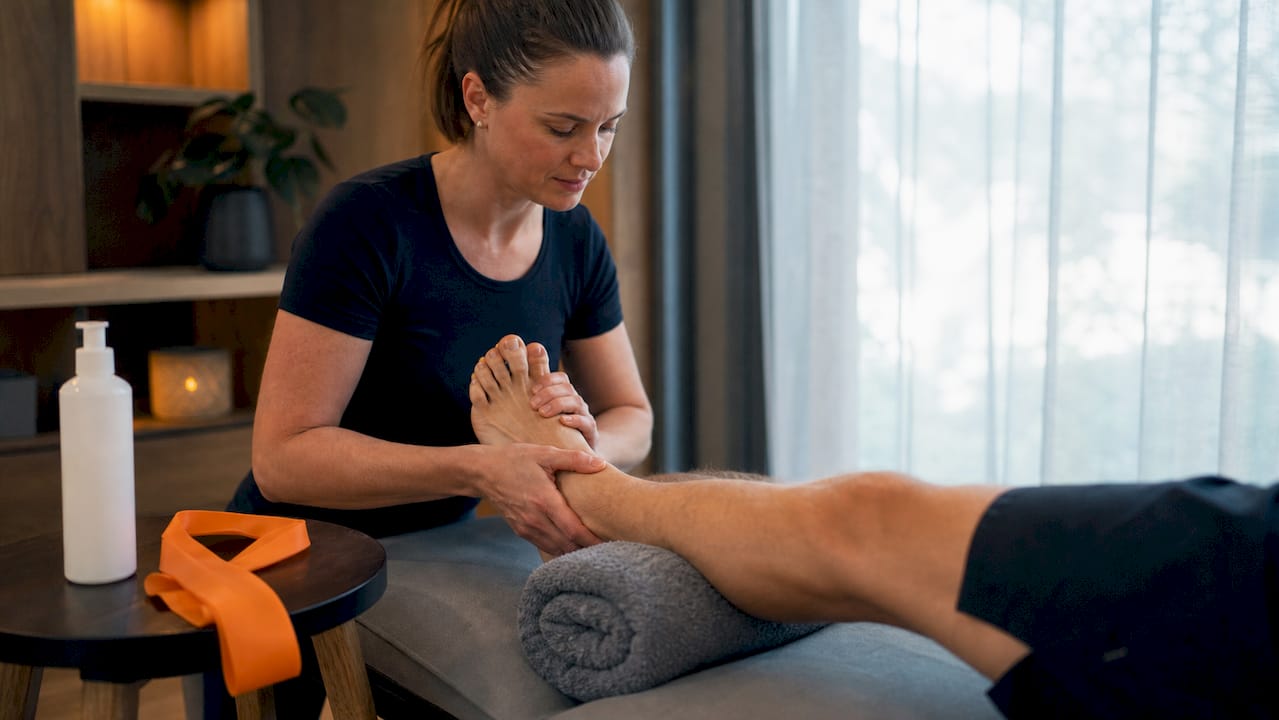
Physio care, the recognised clinical term for which is physiotherapy, is a regulated healthcare profession that uses exercise prescription, manual therapy, and specialist modalities to restore movement, relieve pain, and prevent recurrence. If you are in the UK and need treatment now, your fastest options are to book a private assessment within days, self-refer to your NHS musculoskeletal (MSK) service, or check whether your health insurer covers private sessions. Two things to confirm before you attend anywhere: your physiotherapist should hold HCPC registration (the UK statutory requirement), and Parkstherapycentre, established in 1986 across Bedfordshire and Buckinghamshire, is one available local provider accepting both private patients and major insurers.
Quick orientation before you read on:
Need treatment fast? Book a private assessment or check your insurance cover.
Cost is a concern? Self-refer to your NHS MSK physiotherapy service.
Not sure what to expect? The sections below walk through every stage, from first appointment to discharge.
Key takeaways
Physiotherapy produces lasting results when active rehabilitation and consistent home exercise are combined with skilled hands-on treatment from an HCPC-registered clinician.
Point | Details |
Access route matters | NHS is free but involves waits; private care offers appointment within days and is covered by most major insurers. |
HCPC registration is non-negotiable | Verify every physiotherapist at hcpc-uk.org before booking; MCSP membership adds a further quality signal. |
Home exercise drives recovery | Patients who follow their prescribed home programme recover faster and sustain gains longer than those who rely on clinic sessions alone. |
Red flags need urgent review | Unexplained weight loss, severe night pain, sudden incontinence, or progressive neurological signs require a GP or emergency review, not a physio appointment. |
Parkstherapycentre | Established since 1986, HCPC-registered, insurer-recognised, and available across Bedfordshire and Buckinghamshire with online booking. |
Table of Contents
What does physio care actually involve?
Physiotherapy is a primary treatment for musculoskeletal conditions, post-surgical rehabilitation, and a range of neurological and cardiopulmonary problems. Its core aim is not simply to reduce pain in the short term, but to restore function and equip you with the tools to manage your own health long term.
Standard approaches used in physiotherapy include:
Exercise prescription: Tailored, progressive movement programmes that correct impairments and rebuild strength and endurance.
Manual therapy: Hands-on joint mobilisation, soft-tissue work, and manipulation.
Education and self-management: Teaching you why your condition developed and how to prevent recurrence.
Physical modalities: TENS (transcutaneous electrical nerve stimulation), therapeutic ultrasound, heat, and cold therapy.
Hydrotherapy: Aquatic exercise for load-sensitive conditions.
Pelvic health physiotherapy: Specialist assessment and treatment for pelvic floor dysfunction.
The benefits of physiotherapy are well documented: effective pain management, improved mobility, reduced symptoms from arthritis, shorter post-surgical recovery times, and support for neurological conditions such as stroke or Parkinson’s disease. For athletes, a structured rehabilitation programme can mean the difference between a full return to sport and a recurring injury.
One point worth stating clearly: physiotherapy is not a passive process. Therapeutic exercise is central to long-term outcomes because prescribed, repeated movement corrects the underlying impairment rather than masking it. Patients who combine clinic sessions with consistent home practice recover faster and sustain their gains longer.
Red flags that require urgent medical review, not a physio appointment:
Unexplained weight loss alongside musculoskeletal pain
Severe night pain that prevents sleep
Sudden bladder or bowel incontinence
Progressive neurological signs: spreading numbness, weakness, or loss of reflexes
If any of these apply, contact your GP or call 999 before booking physiotherapy.
What services and treatment options does physio care cover?
Physical therapy spans a broad range of services, and most reputable clinics offer a combination of hands-on and active approaches. The table below maps common modalities to their typical clinical use.
Modality | Typical use | Primary benefit |
Initial assessment | All new patients | Diagnosis, goal setting, red flag screen |
Manual therapy | Stiff joints, soft-tissue restriction | Restores range of motion, reduces pain |
Progressive exercise programme | All conditions | Builds strength, corrects movement patterns |
Shockwave therapy | Tendinopathies, plantar fasciitis | Stimulates tissue repair |
Pilates / rehab classes | Spinal conditions, post-natal | Core stability, group support |
Pelvic floor physiotherapy | Incontinence, prolapse, post-natal | Restores pelvic function |
Gait and balance work | Post-surgical, neurological, older adults | Reduces fall risk, improves walking pattern |
Concussion management | Sports concussion, head injury | Safe return-to-play protocols |
Beyond the clinic room, many providers now offer home visits for patients with limited mobility, group rehabilitation classes, and digital exercise programmes that patients follow between appointments. These options matter because physiotherapy techniques work best when active and passive approaches are combined: hands-on treatment addresses immediate restriction, while a structured exercise plan builds the capacity to stay well.
Parkstherapycentre offers all of the above across its Bedfordshire and Buckinghamshire locations, including sports injury rehabilitation, post-operative rehab, pelvic health, and online consultations.
What happens at your first physio appointment?
Knowing the structure of a first session removes a lot of the uncertainty that stops people booking. The initial assessment typically runs a standard duration common in physiotherapy and follows a clear sequence.
Assessment structure:
Subjective history: Your physiotherapist asks about your symptoms, how they started, what makes them better or worse, your occupation, and your goals.
Objective examination: Movement tests, strength assessment, palpation, and observation of posture or gait.
Red flag screen: A brief set of questions to rule out serious pathology requiring medical referral.
Goal setting: You agree on realistic, measurable outcomes together.
From there, your physiotherapist builds a personalised treatment plan. According to Merck Manual clinical guidance, effective rehabilitation measures range of motion, strength, and balance at baseline, then uses task-oriented exercises to progress toward functional goals, including return to daily activities, work, or sport.
A typical short course comprises several sessions spread over a few weeks, with more complex cases requiring extended programmes. Each session generally includes hands-on treatment, supervised exercise, outcome measurement, and advice on what to do at home before the next appointment.

Pro Tip: Ask your physiotherapist to write down your home exercises at the end of every session. Research consistently shows that patients who follow their home exercise programme recover faster and maintain their gains longer than those who rely on clinic sessions alone.
How do online physio consultations work?
Video consultations have become a practical option for assessment, exercise prescription, and progress monitoring. They suit patients with straightforward musculoskeletal conditions, those in rural areas, or anyone managing a busy schedule. The assessment follows the same structure as an in-person appointment: your physiotherapist takes a history, observes your movement via camera, and designs a programme accordingly.
Online rehabilitation platforms typically provide video exercise libraries, progress tracking, and messaging between appointments. For many conditions, this is clinically effective. However, online physiotherapy has clear limits: manual therapy, hands-on joint mobilisation, and complex neurological assessment cannot be replicated remotely.
Tech checklist for a successful video appointment:
Use a device with a stable internet connection and a working camera.
Position the camera so your physiotherapist can see your full body, not just your face.
Clear a space large enough to stand, bend, and move your arms freely.
Wear fitted clothing so movement is visible (avoid loose robes or baggy trousers).
Have a mat, a chair, and any resistance bands or weights you own within reach.
Test your audio and video at least five minutes before the session starts.
Pro Tip: Switch from online to in-person care if your symptoms are worsening despite following your programme, if your physiotherapist identifies a finding that needs hands-on assessment, or if your condition involves significant swelling, neurological signs, or post-surgical tissue.
How do you access physio in the UK, and what does it cost?
Access to physiotherapy in the UK runs through three main routes, each with a different cost profile and waiting time.
NHS physiotherapy is free at the point of use. You can access it via a GP referral, through a First Contact Physiotherapist (FCP) at your GP surgery (no GP appointment needed in many practices), or through direct self-referral to your local MSK service. The trade-off is waiting time, which varies by area and demand.
Private physiotherapy offers much faster access, typically within days rather than weeks. Session costs vary by location, clinician experience, and session length; checking your insurance cover for physiotherapy before booking is worthwhile, as many major health insurers, including Bupa, AXA Health, and Vitality, cover private physiotherapy sessions.
NHS | Private in-person | Private online | |
Best for | Non-urgent conditions, cost sensitivity | Acute injury, post-op rehab, sports injury | Exercise-based conditions, follow-up, rural access |
Access route | GP referral, FCP, self-referral | Direct booking | Direct booking |
Typical cost | Free | Varies by clinic and location | Varies by provider |
Wait time | Weeks to months (area-dependent) | Days | Days or same week |
Modalities | Exercise, manual therapy, education | Full range including hands-on | Assessment, exercise prescription, monitoring |
Practical checklist before you book:
Call your insurer and confirm physiotherapy is covered under your policy.
Ask whether you need a GP referral or if direct access is accepted.
Check the session length (45 minutes is standard for an initial assessment).
Ask about the cancellation policy before your first appointment.
Confirm the clinic’s HCPC registration status.
How do you choose the right physiotherapist?
The credentials and approach of your physiotherapist matter as much as the clinic’s location. Here is a repeatable framework for evaluating any provider.
Essential credentials to check:
HCPC registration: Mandatory for all practising physiotherapists in the UK. Verify at hcpc-uk.org.
MCSP: Membership of the Chartered Society of Physiotherapy, indicating adherence to professional standards.
Relevant specialism: Post-surgical, sports, pelvic health, and neurological physiotherapy each require additional training.
Continuing professional development (CPD): Ask whether the clinician regularly updates their skills.
Questions to ask at booking or your first session:
Have you treated my specific condition before, and what outcomes do your patients typically achieve?
How many sessions do you expect I will need, and when will we review progress?
Will you provide a written home exercise programme?
How do you measure whether treatment is working?
Can you liaise with my GP or surgeon if needed?
Do you accept my health insurer, and how do you handle the claims process?
Red flags to watch for:
Guarantees of a specific outcome or a fixed number of sessions before assessment.
Pressure to purchase a large block of sessions upfront without a review point.
Refusal to communicate with your GP or specialist when clinically appropriate.
No written treatment plan or home exercise guidance after the first session.
A physiotherapist who sets clear, measurable goals and adjusts the plan at each review is following evidence-based rehabilitation practice. One who promises rapid results without assessment is not.

Why choose Parkstherapycentre?
Parkstherapycentre has been providing physiotherapy and multidisciplinary rehabilitation since 1986, making it one of the most established providers in Bedfordshire and Buckinghamshire. The team holds HCPC registration and MCSP membership, and the centre is recognised by major health insurers, so patients can use their existing cover without additional administration.
The clinic’s service range maps directly to the conditions and goals described throughout this article:
Sports injury rehabilitation: Acute and chronic sports injuries, return-to-sport programmes, and concussion management.
Post-operative rehabilitation: Structured recovery programmes following orthopaedic surgery, including back surgery.
Pelvic health: Specialist physiotherapy for pelvic floor dysfunction, post-natal recovery, and pregnancy-related conditions.
Pilates and rehabilitation classes: Group and individual sessions for spinal conditions and general conditioning.
Online consultations: Video assessments and exercise-based programmes for patients who prefer remote access.
Additional therapies: Acupuncture, podiatry, sports massage, APOS health device therapy, hypnotherapy, and ear wax removal.
Booking is available online, by phone, or through your insurer’s direct access scheme. The initial assessment follows the structured format described above, and clinician profiles are available on the website so you can review experience and specialisms before you attend. Patient reviews and awards reflect the centre’s long-standing commitment to quality care.
Your rights and confidentiality in physiotherapy
Every patient attending physiotherapy in the UK has clear legal and professional rights. Understanding them helps you engage confidently with your care.
Consent: Your physiotherapist must explain any proposed treatment and obtain your informed consent before proceeding. You can withdraw consent at any time.
Confidentiality: All information shared during your sessions is held in confidence under the UK General Data Protection Regulation (UK GDPR) and the Data Protection Act 2018. Your records will not be shared with third parties, including employers or insurers, without your explicit consent, except in specific circumstances where there is a risk to your safety or the safety of others.
Access to records: You have the right to request a copy of your clinical notes. Most clinics respond within one month under UK GDPR subject access request rules.
Complaints: If you are dissatisfied with your care, you can raise a concern directly with the clinic, escalate to the HCPC if the issue involves professional conduct, or contact the Chartered Society of Physiotherapy for guidance.
Second opinions: You are entitled to seek a second opinion from another registered physiotherapist at any point, without needing to justify your decision to your current clinician.
An honest perspective on what physio care actually requires
There is a persistent gap between what patients expect from physiotherapy and what the evidence says actually produces lasting results. Many people attend a course of sessions expecting the physiotherapist to fix the problem for them, and are surprised when they are sent home with exercises to complete every day.
The reality is that passive treatment, however skilled, addresses symptoms in the short term. Active rehabilitation, where the patient does the work between sessions, is what changes the underlying capacity of the tissue, joint, or movement pattern. This is not a criticism of hands-on techniques; manual therapy genuinely reduces pain and restores range of motion in ways that make exercise possible. But it is a means to an end, not the end itself.
The other thing patients underestimate is the value of a clear diagnosis at the outset. A physiotherapist who spends the first session thoroughly assessing your movement, asking about your goals, and explaining what they found is giving you something more useful than immediate treatment: a framework for understanding your own body. That understanding is what makes home exercises feel purposeful rather than arbitrary, and it is what separates a short course of physiotherapy from a revolving door of appointments.
The ‘no pain, no gain’ idea is also worth addressing directly. Manageable discomfort during strengthening is normal and expected. Sharp, worsening, or spreading pain during or after a session is not, and any competent physiotherapist will adjust the programme immediately if that happens.
Book your assessment at Parkstherapycentre
Parkstherapycentre offers a faster, more personal route to physiotherapy than waiting for an NHS referral, with no compromise on clinical quality. The multidisciplinary team, established since 1986 and recognised by major insurers, covers everything from acute sports injuries to post-operative rehabilitation, pelvic health, and online consultations across Bedfordshire and Buckinghamshire.
Sessions are available in clinic and online, with online booking open around the clock. If you hold private health insurance, the team handles insurer liaison directly, so you do not need to manage the paperwork yourself. Cancellation policies and appointment expectations are explained at the point of booking, and clinician profiles are available in advance so you can choose the right specialist for your condition. To arrange your initial assessment, visit parkstherapycentre.co.uk or call the clinic directly.
Sources
Recommended