
Role of physiotherapy in injury prevention: 35% risk cut
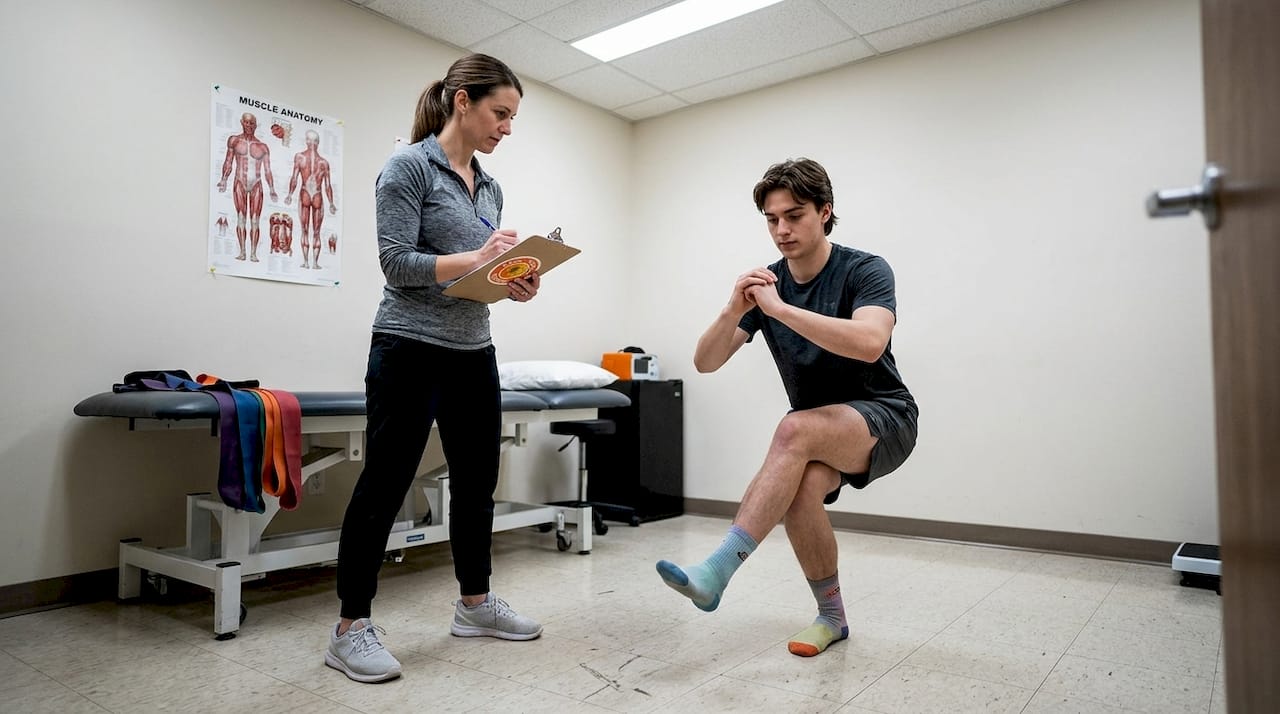
Most people think physiotherapy is something you turn to after an injury has already happened. But what if you could avoid that injury altogether? Physiotherapy plays a critical, proactive role in injury prevention, especially for active adults and athletes in Bedfordshire and Buckinghamshire. By addressing biomechanical weaknesses, movement faults, and muscular imbalances before they cause problems, physiotherapy can reduce overall injury risk by up to 35%. This guide explains how physiotherapy prevents injuries, what methods work best, and how you can access tailored programmes locally to stay active and pain-free.
Table of Contents
How physiotherapy prevents injuries: core methods and evidence
Personalisation and adherence: overcoming challenges in injury prevention programmes
Applying physiotherapy for injury prevention in Bedfordshire and Buckinghamshire
Comparing injury prevention strategies: physiotherapy versus other approaches
Frequently asked questions about physiotherapy and injury prevention
Key Takeaways
Point | Details |
Proactive injury prevention | Physiotherapy identifies biomechanical weaknesses and corrects issues before they lead to injury, supporting ongoing activity. |
35 per cent reduction | Tailored physiotherapy programmes can reduce overall injury risk by up to 35 per cent, especially when personalised. |
Multicomponent personalised programmes | A combination of strength, balance, neuromuscular, and manual therapy forms a comprehensive prevention strategy. |
Core methods include strength training | The core methods involve strength training, balance exercises, neuromuscular training, and manual therapy, tailored to the individual. |
Adherence customised protocols crucial | Consistency and personalised protocols that reflect sport, sex, and movement patterns maximise effectiveness. |
How physiotherapy prevents injuries: core methods and evidence
Physiotherapy targets the root causes of injury: muscle imbalances, faulty movement patterns, and poor posture. By addressing these biomechanical issues through targeted exercises and corrections, physiotherapists help you move more efficiently and reduce strain on vulnerable structures. This proactive approach is fundamentally different from waiting until pain or injury forces you to seek treatment.
The methods used in injury prevention physiotherapy are diverse and evidence-backed. Strengthening exercises build resilience in muscles and connective tissues. Flexibility training improves range of motion and reduces stiffness. Postural corrections address alignment issues that can lead to overuse injuries. Manual therapy techniques release tension and improve tissue quality. These interventions work together to create a comprehensive prevention strategy.
Four core methodologies dominate the evidence base:
Neuromuscular training improves coordination and reaction time
Proprioception and balance exercises enhance joint stability
Core stability work protects the spine and improves force transfer
Manual therapy addresses tissue restrictions and movement quality
The evidence for these approaches is compelling. Studies show that multicomponent physiotherapy programmes reduce overall injury risk by up to 35%. Knee injury risk, for example, can drop by 25% with targeted interventions. These reductions are substantial, particularly for athletes and active adults who face regular physical demands.
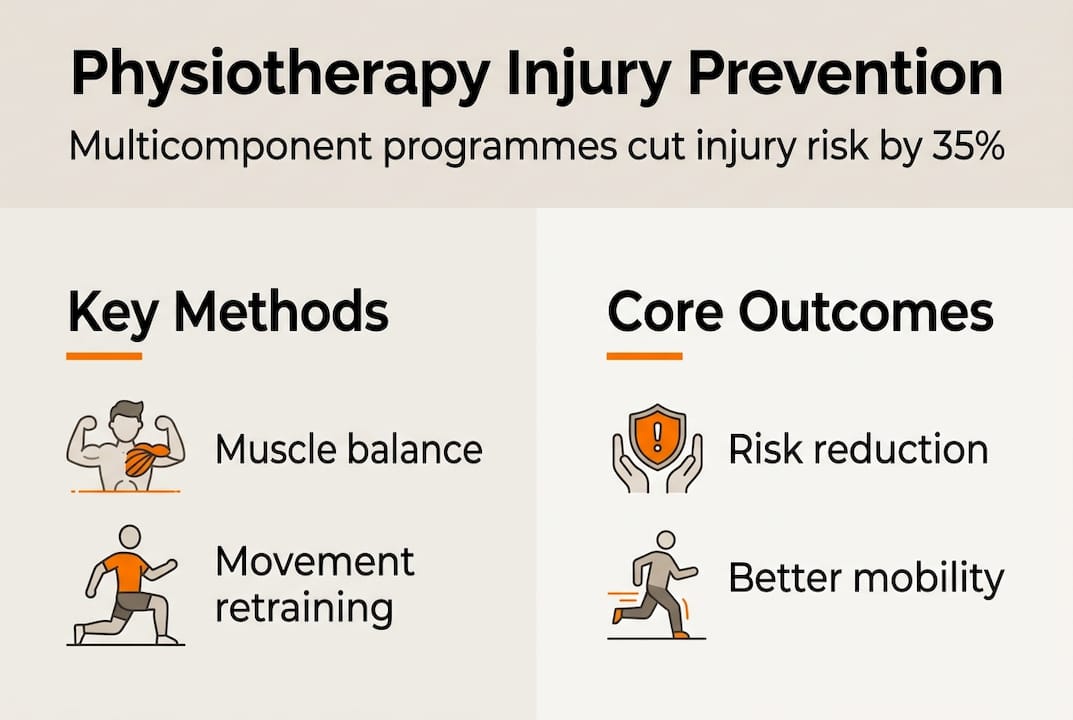
Up to 35% reduction in injury risk observed with tailored programmes
What makes physiotherapy particularly effective is its multicomponent nature. Rather than relying on a single intervention, programmes combine physical training with manual therapy and movement education. This holistic approach addresses multiple risk factors simultaneously, creating a more robust defence against injury. Proactive physiotherapy consistently outperforms reactive treatments in both cost-effectiveness and long-term outcomes. For those serious about injury prevention, understanding the sports injury prevention guide offers additional context on how these principles apply to athletic performance.
Personalisation and adherence: overcoming challenges in injury prevention programmes
Even the best injury prevention programme fails if you don’t stick with it. Adherence is the single most important factor determining whether physiotherapy successfully prevents injuries. Yet many programmes struggle because they take a generic, one-size-fits-all approach that doesn’t account for individual needs, schedules, or preferences.
Effective injury prevention requires consistent effort over time. Research indicates that optimal protocols involve 5-15 minute sessions, 4-5 times per week, continuing for more than 26 weeks. That’s a significant commitment, and it explains why supervised sessions with a physiotherapist improve outcomes. When someone monitors your technique, adjusts your programme, and holds you accountable, you’re far more likely to maintain consistency.
Several factors undermine adherence:
Generic programmes that don’t match individual needs or goals
Lack of supervision leading to poor technique and reduced motivation
Time constraints making it difficult to fit sessions into busy schedules
Unclear understanding of why specific exercises matter
Insufficient adjustment as fitness levels or circumstances change
The evidence also reveals conflicts in some sport-specific results, highlighting that not all prevention strategies work equally well across different activities. This reinforces the need for tailored protocols that consider your sport, sex, injury history, and movement patterns. A runner needs different interventions than a footballer, and a programme that works for men may require modification for women.
Pro Tip: Engage a physiotherapist for regular supervision rather than following generic online programmes. The feedback, accountability, and programme adjustments dramatically improve both adherence and outcomes.
Personalised programmes address these challenges by starting with thorough assessment, then building interventions around your specific risk factors and goals. This approach, detailed in guides on personalised physiotherapy plans, ensures that every exercise serves a clear purpose. When you understand why you’re doing something and see it directly addressing your vulnerabilities, motivation increases. Effective management of sports injury patients relies on this same principle of individualisation and clear communication.
Applying physiotherapy for injury prevention in Bedfordshire and Buckinghamshire
Understanding the theory behind injury prevention is valuable, but knowing how to access these services locally is essential. If you’re an active adult or athlete in Bedfordshire or Buckinghamshire, here’s how to start protecting yourself from injury through physiotherapy.
Begin with a professional biomechanical assessment. This evaluation identifies movement faults, muscle imbalances, and joint restrictions that increase your injury risk. Biomechanical assessments go beyond simple screening, using video analysis and functional testing to pinpoint exactly where your movement breaks down. This foundation ensures your prevention programme targets the right issues from day one.
Once your physiotherapist understands your risk profile, they’ll create a personalised treatment plan. This typically includes targeted strengthening for weak muscle groups, neuromuscular exercises to improve coordination, and balance training to enhance joint stability. The programme is built around your schedule, activity level, and goals, making it realistic to maintain long-term.
Follow these steps to maximise your injury prevention outcomes:
Complete a comprehensive biomechanical assessment to identify specific risk factors
Work with your physiotherapist to develop a customised prevention programme
Attend regular supervised sessions to ensure correct technique and programme progression
Communicate openly about any challenges, discomfort, or schedule conflicts
Transition to a long-term maintenance programme once initial goals are achieved
Regular supervised sessions are crucial during the first few months. Your physiotherapist monitors your technique, adjusts exercises as you improve, and addresses any emerging issues before they become problems. This supervision is what separates effective prevention from well-intentioned but ultimately unsuccessful self-directed programmes.
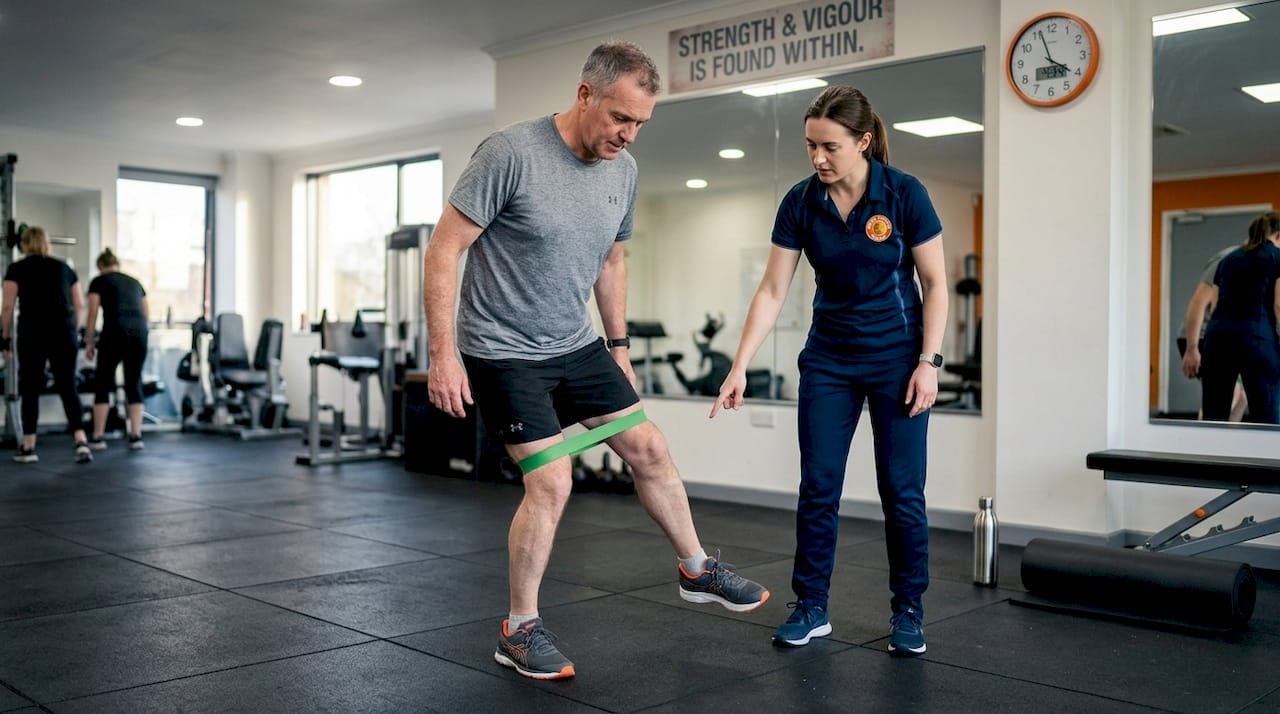
Pro Tip: Consistent engagement with your programme, even when it feels inconvenient, maximises injury prevention benefits. The sessions you’re tempted to skip are often the ones that matter most.
Local physiotherapy services in Bedfordshire and Buckinghamshire are well-equipped to support active adults and athletes. Many centres offer flexible scheduling, online booking, and programmes designed specifically for the demands of an active lifestyle. Getting started is straightforward: book a physiotherapy appointment or enquire about biomechanical assessments to begin your injury prevention journey.
Comparing injury prevention strategies: physiotherapy versus other approaches
Not all injury prevention strategies are created equal. Understanding how physiotherapy differs from generic fitness programmes or self-directed approaches helps you make informed decisions about protecting yourself from injury.
Generic injury prevention programmes often lack individual assessment. They provide standardised exercises based on common injury patterns, but without evaluating your specific biomechanics, they may miss the exact vulnerabilities that put you at risk. Physiotherapy offers personalised, biomechanical correction that generic fitness programmes cannot match, leading to superior outcomes.
Physiotherapy integrates multiple elements that other approaches typically separate. A physiotherapist conducts biomechanical analysis to understand how you move, creates personalised treatment addressing your specific faults, and uses manual therapy to improve tissue quality and joint function. This integration is powerful because it addresses injury risk from multiple angles simultaneously.
Supervision from qualified physiotherapists ensures proper technique and adherence. When you perform exercises incorrectly, you may reinforce the exact movement patterns you’re trying to correct. Professional guidance prevents this counterproductive cycle and keeps your programme progressing effectively.
Feature | Physiotherapy | Generic fitness programme | Self-directed approach |
Personalisation | Full biomechanical assessment and tailored plan | Standardised exercises for common issues | Variable, often based on online research |
Supervision | Regular sessions with qualified physiotherapist | Occasional check-ins or group classes | None or informal peer feedback |
Methods | Strength, neuromuscular, balance, manual therapy | Primarily strength and flexibility | Depends on individual knowledge |
Evidence base | Strong research support for multicomponent programmes | Moderate evidence for general fitness benefits | Weak or inconsistent evidence |
Adherence support | Accountability, technique correction, motivation | Limited individual attention | Relies entirely on self-motivation |
Physiotherapy’s unique attributes make it particularly effective for injury prevention:
Tailored interventions based on individual biomechanical assessment
Supervised sessions ensuring correct technique and programme progression
Multi-modal approach combining physical training and manual therapy
Evidence-backed protocols with proven risk reduction outcomes
Ongoing adjustment as your fitness and movement patterns improve
The key distinction is that physiotherapy addresses root causes rather than symptoms. Some fitness programmes focus on general strength or conditioning without identifying why certain areas are weak or how movement faults developed. Physiotherapy digs deeper, correcting the underlying issues that lead to injury. This is particularly important for understanding the role of ergonomics in prevention, where movement patterns in daily activities can contribute to injury risk.
Discover tailored physiotherapy services in Beds and Bucks
Now that you understand how physiotherapy prevents injuries, it’s time to put that knowledge into action. Parks Therapy Centre offers expert biomechanical assessments tailored to your specific needs, whether you’re a weekend runner or a competitive athlete. These assessments identify the exact movement faults and imbalances that put you at risk, forming the foundation for an effective prevention programme.

If you’re concerned about existing niggles or want to rule out underlying issues, diagnostic imaging referrals provide clarity early, before minor problems become major injuries. The team understands the demands of active lifestyles in Bedfordshire and Buckinghamshire, and they’ve built their services around helping you stay active and pain-free. Booking online is simple and convenient, making it easy to start your injury prevention journey. Explore biomechanical assessments, learn about diagnostic imaging referrals, or book your physiotherapy appointment today.
Frequently asked questions about physiotherapy and injury prevention
How does physiotherapy prevent injuries before they occur?
Physiotherapy identifies biomechanical weaknesses, movement faults, and muscle imbalances through detailed assessment. It then corrects these issues with targeted exercises, manual therapy, and movement retraining before they cause injury. This proactive approach addresses root causes rather than waiting for symptoms to appear.
What types of exercises are included in injury prevention programmes?
Programmes typically combine strengthening exercises for weak muscle groups, neuromuscular training to improve coordination, balance work to enhance joint stability, and flexibility training to maintain range of motion. Manual therapy techniques address tissue restrictions, and movement education ensures you maintain proper form during activities.
How often should I attend physiotherapy sessions for injury prevention?
Research suggests optimal results come from 5-15 minute sessions, 4-5 times per week, continuing for more than 26 weeks. Initial supervised sessions with your physiotherapist might be weekly or fortnightly, with home exercises filling the remaining days. Frequency depends on your risk factors, activity level, and schedule.
Is physiotherapy for injury prevention suitable for recreational athletes?
Absolutely. Injury prevention physiotherapy benefits anyone who’s physically active, from recreational runners to competitive athletes. The programmes are scaled to match your activity level and goals. Recreational athletes often have higher injury risk due to less consistent training, making prevention particularly valuable.
How does injury prevention physiotherapy differ from general fitness training?
Physiotherapy begins with biomechanical assessment to identify your specific vulnerabilities, then creates a personalised programme targeting those exact issues. It combines physical training with manual therapy and provides professional supervision to ensure correct technique. General fitness training typically follows standardised programmes without individual movement analysis or hands-on treatment.
Recommended