
Understanding types of sports injuries for safer training
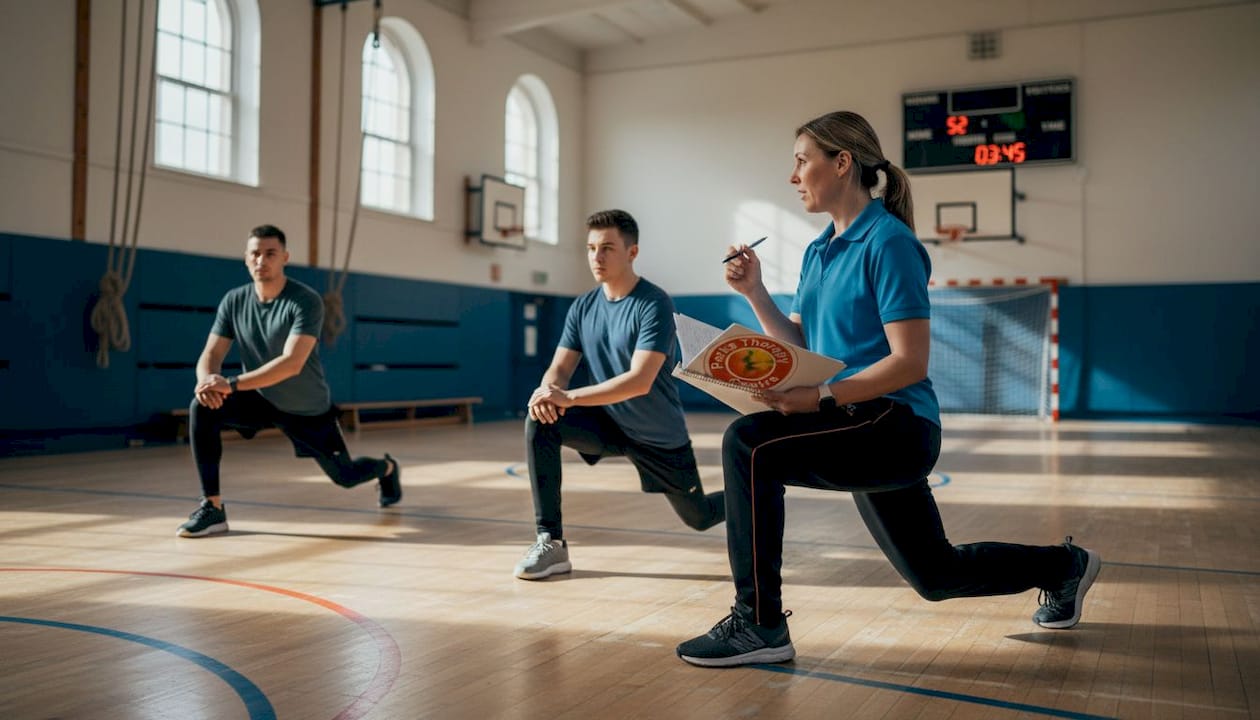
Any ordinary training session can turn into a setback within seconds. A misjudged landing, a sudden twist, or simply doing too much too soon can result in injuries that sideline you for weeks or even months. Understanding the different types of sports injuries is not just useful knowledge; it is the foundation of smarter prevention and faster recovery. Whether you run, cycle, play football, or train at the gym across Bedfordshire or Buckinghamshire, this guide will walk you through the most common injuries, how they happen, and what to do when they strike.
Table of Contents
Key Takeaways
Point | Details |
Injury mechanisms | Knowing how injuries happen helps you spot problems early and take action. |
Specific recovery times | Recovery length depends on injury type and grade, so prompt, accurate diagnosis is essential. |
Prevention is possible | Most sports injuries can be prevented with the right training, rest, and intervention. |
Expert support counts | For serious injuries or slow recovery, expert help can prevent long-term issues. |
Understanding how sports injuries happen
Not all sports injuries are created equal, and knowing the difference between them changes how you respond. Broadly, injuries fall into three categories: acute, overuse, and fatigue-related.
Acute injuries happen suddenly. A tackle, a fall, or an awkward landing causes immediate pain, swelling, or loss of function. Overuse injuries build gradually through repetitive microtrauma to tissues, with no single moment you can point to as the cause. Fatigue injuries sit in between, developing when tired muscles can no longer protect joints and tendons from strain.
Mechanism | Example injuries | Onset |
Acute | Ankle sprain, fracture, dislocation | Sudden |
Overuse | Tendonitis, stress fracture, tennis elbow | Gradual |
Fatigue | Muscle tear, shin splints | Progressive |
Fatigue is often the most overlooked factor. When muscles are exhausted, they absorb less force, passing stress onto bones and connective tissue. This is why so many injuries happen in the final stages of a match or long run.
Early warning signs to watch for include:
Persistent aching after activity that does not settle overnight
Swelling or stiffness in a joint or muscle group
A change in your movement pattern or gait
Pain that worsens progressively through a session
Recognising these signals early gives you the best chance to intervene before a minor issue becomes a serious one. Our injury prevention guide covers practical steps to reduce risk, and if you are unsure about a current complaint, assessing sports injuries correctly is the critical first step.
Sprains, strains, and tears: The most common injuries
Sprains, strains, and tears account for a significant proportion of all sports injuries seen in clinical practice. They are often confused with one another, but they affect different structures and require different management.
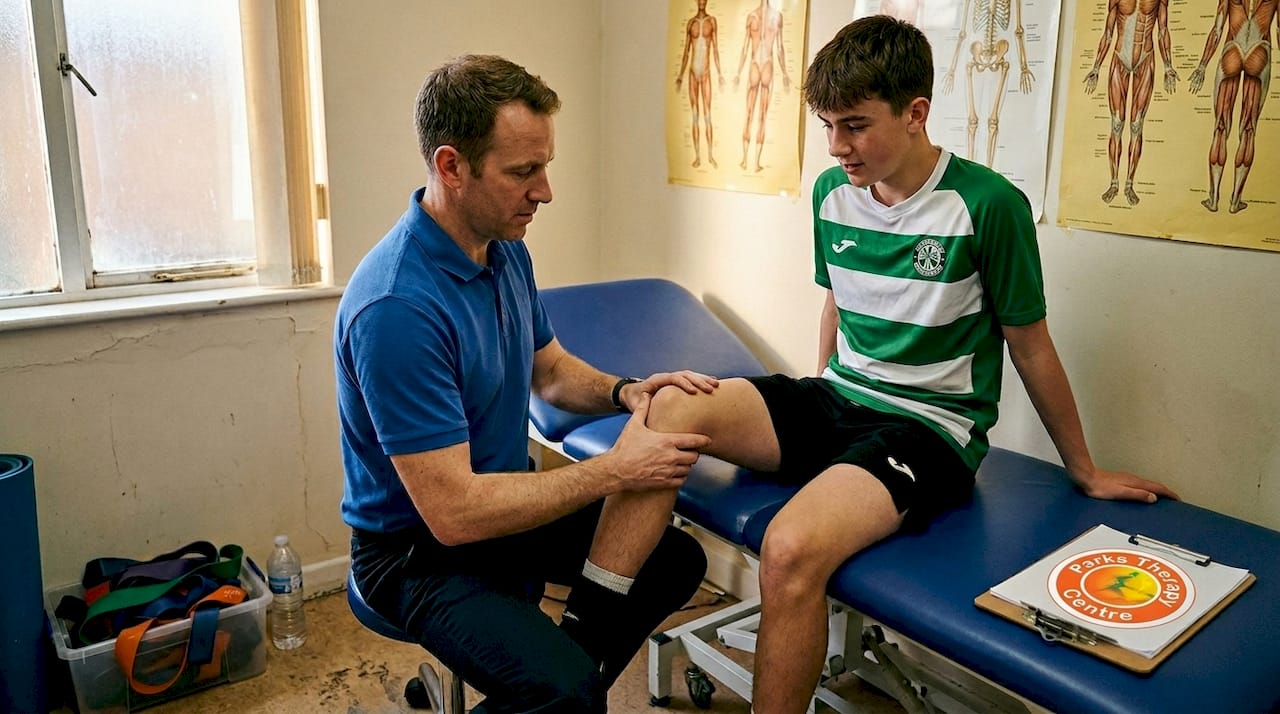
A sprain is damage to a ligament, the tough tissue connecting bone to bone. An ankle sprain is the classic example. A strain involves a muscle or tendon being overstretched or torn. A tear refers to a more severe disruption of either structure, sometimes requiring surgical repair.
Both sprains and strains are graded by severity on a three-point scale:
Grade 1: Mild stretch with minor fibre damage. Tenderness and slight swelling, but full function is mostly preserved.
Grade 2: Partial tear. Noticeable pain, swelling, bruising, and reduced strength or range of motion.
Grade 3: Complete rupture. Significant instability, severe swelling, and often an inability to bear weight or use the limb.
Grade | Tissue damage | Typical recovery time |
Grade 1 | Mild stretch | 1 to 2 weeks |
Grade 2 | Partial tear | 4 to 8 weeks |
Grade 3 | Complete rupture | 8 to 10+ weeks |
For context, muscle strain recovery ranges from one to two weeks for Grade 1 injuries up to ten or more weeks for Grade 3, while ACL tears can require six to twelve months of rehabilitation.
Pro Tip: If you suspect a Grade 2 or Grade 3 injury, get an early imaging assessment. Waiting and hoping it settles can delay appropriate treatment and extend your total recovery time significantly.
Our physiotherapy recovery guide outlines what a structured rehab programme looks like, and understanding injury recovery terminology will help you communicate clearly with your therapist from the outset.
Overuse injuries: Stress fractures, tendonitis, and more
While sprains and acute injuries are easy to spot, overuse injuries creep in gradually. They are the silent saboteurs of consistent training, and they are far more common than most athletes realise.
Overuse injuries develop when repetitive microtrauma accumulates faster than the body can repair it. There is no dramatic moment of injury; instead, discomfort builds over days or weeks until it becomes impossible to ignore. Common examples include:
Tendonitis: Inflammation of a tendon, frequently seen in the Achilles, patellar, and rotator cuff tendons
Stress fractures: Tiny cracks in bone caused by repeated loading, most often in the foot, shin, or hip
Tennis elbow (lateral epicondylitis): Pain on the outer elbow from repetitive gripping or twisting motions
Shin splints: Diffuse pain along the tibia, common in runners who increase mileage too quickly
Iliotibial band syndrome: Tightness and pain on the outer knee, prevalent in cyclists and long-distance runners
Typical red flags for overuse injuries include pain that starts during warm-up but eases mid-session, only to return afterwards. Swelling that appears gradually, reduced performance without obvious cause, and localised tenderness over a bone or tendon are also warning signs.
“Chronic and traumatic injuries require fundamentally different approaches to treatment. Applying an acute injury protocol to an overuse condition will not only fail to resolve it but may make it worse.” This distinction shapes every good rehabilitation plan.
Our injury prevention steps resource is particularly useful here, and understanding physiotherapy for prevention can help you build resilience before problems arise. Research into overuse injury patterns continues to highlight load management as the single most effective prevention strategy.
Less common but serious: Dislocations, fractures, and complex injuries
Beyond the frequent injuries, some are less common but need urgent action. Dislocations, fractures, and complex soft tissue injuries such as meniscus tears sit in a different category entirely, both in terms of severity and the treatment they demand.
A dislocation occurs when the bones in a joint are forced out of their normal position, most commonly in the shoulder, finger, or kneecap. A fracture is a break in the bone, ranging from a hairline crack to a complete break. A meniscus tear involves damage to the cartilage cushioning the knee joint, and distinguishing between a degenerative versus traumatic tear is essential because conservative and surgical management differ significantly.
Statistically, fracture rates in sport vary considerably by activity, with contact sports and high-impact disciplines carrying the greatest risk. Risk factors include poor bone density, previous injury, and training on hard surfaces.
Pro Tip: Early diagnostic imaging is vital for any injury where you suspect a fracture or dislocation. Do not attempt to mobilise a joint that looks deformed or that causes sharp, severe pain on movement.
If you suspect a serious injury, follow these steps immediately:
Stop activity at once and do not attempt to walk on or use the affected area
Immobilise the injury in the position you find it; do not try to realign it
Apply ice wrapped in a cloth to reduce swelling, but do not apply directly to skin
Seek urgent medical assessment, either at A&E or via a specialist clinic
Arrange follow-up imaging and a structured recovery and prevention plan as soon as possible
For clinicians and coaches, managing injury patients effectively in the early stages has a measurable impact on long-term outcomes.
Comparing injury types: What matters most for prevention and recovery
To help you see the big picture, here is how all these injury types compare, and what really makes a difference in keeping active safely.
Injury type | Typical recovery | Key prevention focus |
Grade 1 sprain or strain | 1 to 2 weeks | Warm-up, proprioception training |
Grade 2 sprain or strain | 4 to 8 weeks | Strength and stability work |
Grade 3 tear or rupture | 8 to 10+ weeks | Surgical review, structured rehab |
Overuse (tendonitis, stress fracture) | 6 to 16 weeks | Load management, rest periods |
Fracture or dislocation | 6 weeks to 12 months | Protective equipment, technique |
ACL recovery timelines of six to twelve months are a sobering reminder that the most severe injuries demand patience and professional guidance, not just rest.
The most important takeaways for any active person in Bedfordshire or Buckinghamshire are:
Early intervention always wins. The sooner you get an accurate diagnosis, the shorter your recovery tends to be.
Personalised rehab outperforms generic advice. Your sport, body type, and training history all influence what works for you.
Prevention is not optional. Incorporating Pilates in rehabilitation and targeted strength work can reduce injury risk substantially.
Rest is not the same as recovery. Active, guided rehabilitation restores function far more effectively than passive rest alone.
A fresh perspective: There is no ‘one-size-fits-all’ for injury care
Here is something that does not get said enough in sports injury advice: the injury type is only half the story. Two athletes can sustain identical Grade 2 ankle sprains and have completely different recovery journeys based on their age, training load, sport demands, and previous injury history.
In our experience working with athletes across Bedfordshire and Buckinghamshire since 1986, the people who recover fastest are not those who follow the most aggressive protocols. They are the ones who receive an honest, individualised assessment and commit to a plan built around their specific circumstances.
The uncomfortable truth is that generic online advice, however well-intentioned, cannot account for your body. A runner with a stress fracture needs a fundamentally different approach to a footballer with the same diagnosis. Tissue type, biomechanics, and training context all matter enormously.
If you are serious about staying active long-term, invest in understanding your own injury patterns and seek guidance from professionals who will treat you as an individual. Managing injury effectively starts with that honest, personalised conversation.
Get expert help for sports injuries in Bedfordshire and Buckinghamshire
Getting the right diagnosis early is the single most important step you can take after any sports injury. Without it, you risk treating the wrong problem or returning to training before tissues have properly healed.
At Parks Therapy Centre, our multidisciplinary team has been supporting athletes and active individuals across Bedfordshire and Buckinghamshire since 1986. From physiotherapy and sports injury treatment to diagnostic imaging referrals that confirm exactly what you are dealing with, we provide the accurate, personalised care that gets you back to doing what you love. Book online today and take the guesswork out of your recovery.
Frequently asked questions
What is the difference between a sprain and a strain?
A sprain affects ligaments connecting bone to bone, while a strain involves muscles or tendons. Both are graded by severity from mild stretch through to complete rupture.
How long does it take to recover from a muscle strain?
Mild Grade 1 strains typically heal within one to two weeks, while severe Grade 3 strains can take eight to ten weeks or considerably longer depending on the muscle involved.
What are warning signs of an overuse injury?
Persistent pain that builds gradually, swelling, reduced performance, and discomfort during routine training are all common signals. Repetitive microtrauma accumulates quietly, so early attention is essential.
When should I see a specialist for a sports injury?
Seek specialist assessment if pain is severe, a joint appears deformed, you cannot bear weight, or normal movement is significantly restricted after injury.
Recommended