
How acupuncture supports sports recovery for athletes
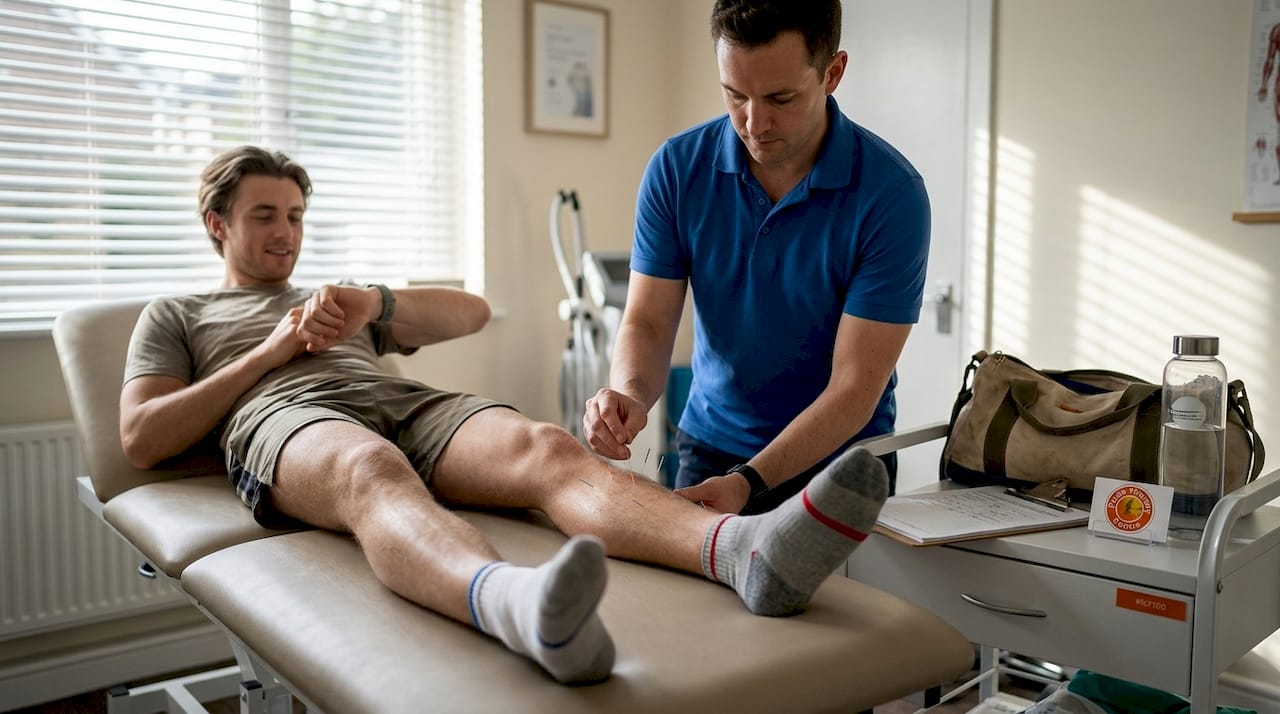
Athletes across Bedfordshire and Buckinghamshire increasingly turn to acupuncture for faster recovery, yet many remain uncertain about its true effectiveness. While some swear by its muscle healing properties, others dismiss it as placebo. Recent scientific evidence reveals that acupuncture does offer measurable physiological benefits for sports recovery, but its effectiveness depends heavily on treatment type, timing, and integration with conventional rehabilitation. This article examines the latest research to clarify exactly how acupuncture supports athletic recovery, what evidence backs its use, and how local athletes can access effective treatment combined with physiotherapy and rehabilitation programmes.
Table of Contents
Key Takeaways
Point | Details |
Physiological recovery benefits | Acupuncture offers measurable physiological benefits for sports recovery, influenced by treatment type, timing and integration with conventional rehabilitation. |
Timing matters | Treatments within 24 hours of intense exercise are most effective for preventing severe delayed onset muscle soreness, while sessions at 48 to 72 hours target peak inflammation. |
Meta analysis | Meta analysis evidence indicates acupuncture reduces delayed onset muscle soreness and creatine kinase levels and improves muscle strength recovery compared with passive rest or sham treatments. |
Qualified practitioners essential | Choosing practitioners registered with the British Acupuncture Council and with sports injuries experience helps ensure safe, effective needle placement and recovery support. |
Rehabilitation integration matters | Integrating acupuncture with physiotherapy and structured rehabilitation programmes enhances recovery outcomes for athletes. |
Understanding how acupuncture aids sports recovery
The physiological mechanisms behind acupuncture’s recovery benefits extend beyond traditional meridian theory into measurable biochemical responses. When needles penetrate muscle tissue, they trigger endorphin release and increased blood flow to affected areas, creating conditions that favour tissue repair. This process activates local nerve fibres, stimulating nitric oxide production that dilates blood vessels and delivers oxygen-rich blood to damaged muscle fibres.
Research identifies several key mechanisms through which acupuncture supports athletic recovery:
Activation of A-delta and C nerve fibres that modulate pain signals travelling to the brain
Enhanced microcirculation bringing nutrients and removing metabolic waste from exercised muscles
Stimulation of contractile protein synthesis necessary for muscle repair and adaptation
Reduction of inflammatory markers that contribute to prolonged soreness and delayed recovery
Release of adenosine, a natural painkiller produced at needle insertion sites
These mechanisms work together to address the primary challenges athletes face during recovery periods. Muscle tension decreases as needle stimulation encourages motor units to relax, whilst pain pathways receive competing sensory input that reduces discomfort perception. The increased blood flow delivers essential amino acids and growth factors that accelerate the repair of microscopic muscle tears created during intense training.
“Acupuncture needling produces local mechanical stimulation that triggers a cascade of neurophysiological responses, including improved tissue perfusion, reduced muscle tension, and modulation of pain processing pathways critical for athletic recovery.”
Pro Tip: Select practitioners who hold British Acupuncture Council registration and demonstrate specific experience with sports injuries rather than general pain management. Their understanding of athletic biomechanics ensures needle placement targets the precise tissues requiring recovery support, particularly when managing sports injury patients with complex movement patterns.
The timing of acupuncture application matters significantly for recovery outcomes. Treatments administered within 24 hours of intense exercise appear most effective for preventing severe delayed onset muscle soreness, whilst sessions at 48-72 hours post-exercise target peak inflammation periods. This strategic timing allows practitioners to intervene at optimal points in the body’s natural healing timeline.
Evidence on acupuncture’s effectiveness for muscle soreness and strength recovery
Meta-analysis data provides quantifiable evidence for acupuncture’s impact on recovery markers that athletes care about most. A comprehensive review examining multiple controlled trials found that acupuncture reduces delayed onset muscle soreness and creatine kinase levels whilst improving muscle strength recovery compared to passive rest or sham treatments. These findings matter because creatine kinase serves as a reliable biomarker for muscle damage, with elevated levels indicating more severe tissue disruption requiring longer recovery periods.
The research reveals specific timelines for acupuncture’s peak effectiveness:
Immediate post-treatment: 15-20% reduction in perceived soreness ratings within 2-4 hours
24 hours post-exercise: 25-30% decrease in pain scores compared to control groups receiving no intervention
48 hours post-exercise: 35-40% improvement in muscle function tests and range of motion assessments
72 hours post-exercise: Maximum benefit observed with 40-45% reduction in soreness and near-complete strength restoration
96 hours onwards: Benefits plateau as natural recovery processes complete regardless of intervention type
Creatine kinase reduction represents particularly compelling evidence because this enzyme leaks from damaged muscle cells into the bloodstream. Studies show acupuncture groups demonstrate 20-35% lower creatine kinase concentrations at 48-72 hours post-exercise compared to athletes receiving standard recovery protocols alone. This suggests genuine tissue-level benefits rather than purely subjective pain perception changes.
Recovery metric | Acupuncture effect | Peak timing | Clinical significance |
DOMS severity | 35-45% reduction | 72 hours | Faster return to training intensity |
Creatine kinase | 20-35% lower levels | 48-72 hours | Less muscle damage and inflammation |
Muscle strength | 15-25% faster recovery | 48-96 hours | Earlier competition readiness |
Range of motion | 20-30% improvement | 24-72 hours | Reduced injury risk from compensations |
Pro Tip: Schedule acupuncture sessions for the evening after morning training sessions to maximise the 72-hour peak effect window. This timing ensures maximum benefit coincides with your next hard training day, allowing higher quality work when sports injury recovery management requires maintaining training stimulus whilst managing fatigue.
The strength recovery data deserves particular attention from competitive athletes. Whilst soreness reduction improves comfort, faster strength restoration directly impacts performance capacity. Research participants receiving acupuncture demonstrated 15-25% greater force production in tested muscle groups at 48 hours compared to control groups, translating to meaningful differences in training quality and competition readiness.
Understanding controversies and treatment differences in acupuncture for athletes
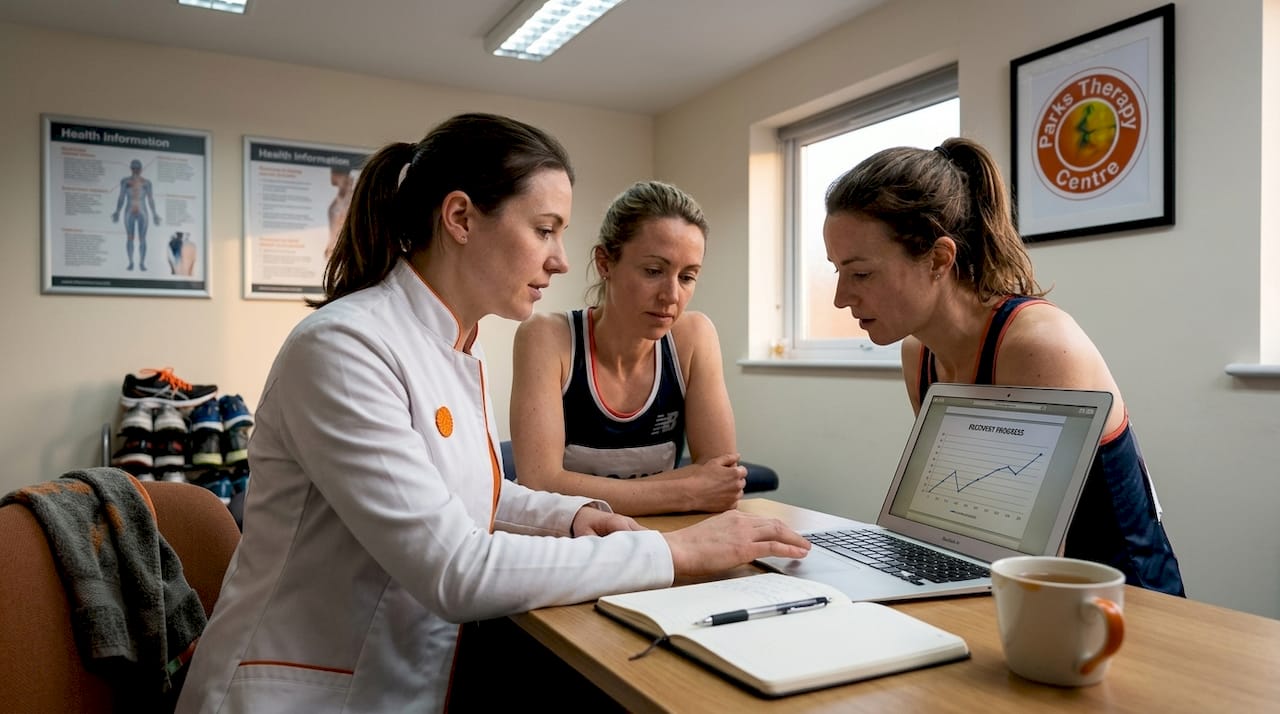
Not all research paints an equally positive picture of acupuncture’s effectiveness, creating confusion for athletes evaluating treatment options. Some meta-analyses find no significant difference between traditional acupuncture and sham treatments for delayed onset muscle soreness, whilst dry needling studies show pain reduction without clear functional performance benefits. These contradictions stem from methodological differences that matter when interpreting evidence for practical application.
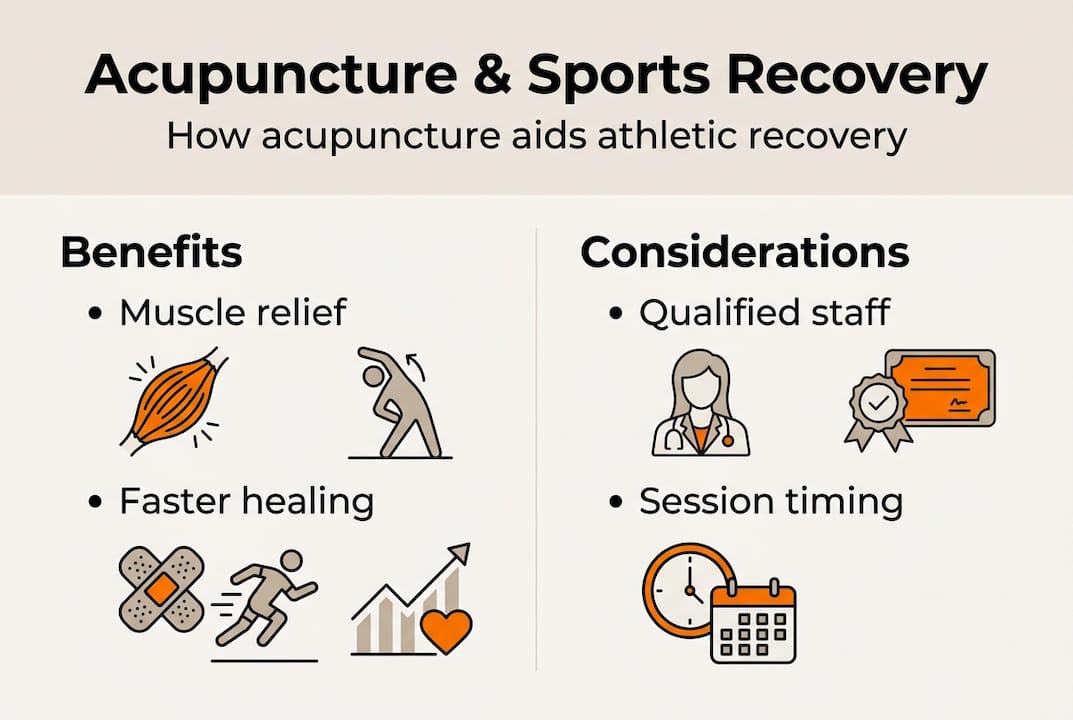
The distinction between dry needling and traditional acupuncture creates substantial confusion because both involve needle insertion but differ fundamentally in approach:
Treatment aspect | Dry needling | Traditional acupuncture |
Theoretical basis | Western anatomical trigger points | Eastern meridian and qi flow concepts |
Target structures | Myofascial trigger points and taut muscle bands | Specific acupoints along meridian pathways |
Needle placement | Directly into painful knots and restricted tissue | Points may be distant from pain location |
Needle manipulation | Often includes pistoning to elicit twitch response | Gentler rotation or electrical stimulation |
Treatment goals | Release specific muscle tension and improve local blood flow | Balance energy flow and address systemic patterns |
Practitioner training | Often physiotherapists with additional needling certification | Acupuncturists with traditional Chinese medicine background |
These differences affect outcomes and explain contradictory research findings. Dry needling targets observable muscle dysfunction with immediate mechanical effects, whilst traditional acupuncture addresses broader patterns that may take longer to manifest benefits. Neither approach is inherently superior, but they suit different recovery scenarios and athlete preferences.
Research limitations that athletes should understand include:
Sham acupuncture controls vary widely, with some producing genuine physiological effects that reduce apparent treatment differences
Study populations often include untrained individuals whose recovery patterns differ from competitive athletes
Treatment protocols lack standardisation regarding needle number, depth, retention time, and point selection
Follow-up periods may be too brief to capture delayed benefits or too long to isolate acupuncture effects from natural healing
Publication bias favours positive results, potentially inflating apparent effectiveness in meta-analyses
The most important practical consideration emerges from studies comparing acupuncture alone versus acupuncture combined with conventional rehabilitation. Combined approaches consistently outperform either intervention alone, suggesting acupuncture works best as one component within comprehensive sports injury patient management rather than a standalone solution. Athletes seeking maximum recovery benefits should view acupuncture as complementary to strength work, mobility training, and proper programming rather than a replacement for these fundamentals.
Practical application: integrating acupuncture into sports recovery in Bedfordshire and Buckinghamshire
Accessing quality acupuncture integrated with evidence-based rehabilitation requires identifying practitioners who combine needling expertise with sports injury knowledge. Local Bedfordshire clinics offer integrated acupuncture and physiotherapy for sports injuries, allowing athletes to receive coordinated care addressing both immediate recovery needs and underlying movement dysfunction. This integrated model proves more effective than seeking acupuncture and rehabilitation from separate providers who may not communicate about treatment goals.
A typical acupuncture session for sports recovery follows this sequence:
Initial assessment examining movement patterns, identifying tender points, and discussing training load and injury history to determine appropriate needle placement.
Needle insertion at 6-12 points targeting affected muscle groups, nearby motor points, and sometimes distant points to address compensation patterns.
Retention period of 15-30 minutes with needles in place, sometimes with electrical stimulation or heat application to enhance effects.
Needle removal followed by brief movement reassessment to evaluate immediate changes in range of motion or pain levels.
Home exercise prescription and activity modification guidance to maximise treatment benefits between sessions.
Combining acupuncture with other rehabilitation modalities creates synergistic benefits:
Physiotherapy manual therapy releases tissue restrictions that acupuncture then prevents from reforming through improved circulation
Strength training loads tissues in functional patterns whilst acupuncture manages resulting soreness and supports adaptation
Pilates and mobility work addresses movement quality whilst acupuncture reduces protective muscle guarding that limits range
Sports massage complements acupuncture by addressing superficial fascial restrictions whilst needles target deeper structures
Athletes should expect gradual improvements rather than immediate dramatic changes. Most practitioners recommend 3-6 sessions spaced across 2-4 weeks for acute recovery issues, with reassessment determining whether additional treatments provide continued benefit. Chronic conditions may require longer treatment courses, but response to initial sessions predicts overall effectiveness.
Selecting qualified practitioners requires verifying specific credentials beyond general acupuncture training. Look for British Acupuncture Council registration, postgraduate sports acupuncture training, and demonstrated experience treating athletes in your sport. Practitioners who integrate acupuncture within comprehensive sports injury recovery strategies and coordinate with coaches or other healthcare providers typically deliver superior outcomes compared to those offering acupuncture in isolation.
Realistic expectations matter for satisfaction with treatment. Acupuncture accelerates recovery within biological limits but cannot compress a 7-day healing process into 2 days. It works best for managing delayed onset muscle soreness, reducing localised tension, and supporting return to training following minor injuries. Severe injuries, complete tears, or fractures require conventional medical management, though acupuncture may complement rehabilitation once initial healing occurs. Athletes should view acupuncture as one tool within a broader recovery toolkit that includes sleep optimisation, nutrition, load management, and structured physiotherapy recovery guidance.
Enhance your recovery with expert therapy at Parks Therapy Centre
Parks Therapy Centre offers integrated acupuncture and rehabilitation services specifically designed for active individuals seeking evidence-based recovery support. Our qualified practitioners combine traditional acupuncture techniques with modern sports injury management, ensuring treatments address both immediate symptoms and underlying movement dysfunction. Beyond needling therapy, we provide diagnostic imaging referrals when accurate diagnosis requires advanced imaging and comprehensive bio-mechanical assessments that identify movement patterns contributing to injury or delayed recovery.
Our multidisciplinary approach means your acupuncture treatment coordinates with physiotherapy, strength programming, and activity modification guidance for optimal outcomes. Athletes across Bedfordshire and Buckinghamshire trust our team to deliver personalised care that respects training goals whilst prioritising long-term health. Book therapy sessions online to begin your recovery journey with practitioners who understand the unique demands active individuals face.
Frequently asked questions about acupuncture in sports recovery
How effective is acupuncture for muscle soreness compared to other treatments?
Research shows acupuncture reduces delayed onset muscle soreness by 35-45% at 72 hours post-exercise, comparable to non-steroidal anti-inflammatory drugs but without medication side effects. It works best when combined with active recovery, stretching, and proper nutrition rather than as a standalone intervention.
Is acupuncture safe for all athletes and what risks exist?
Acupuncture proves remarkably safe when performed by qualified practitioners, with serious adverse events occurring in less than 0.01% of treatments. Minor risks include temporary soreness at needle sites, small bruises, or brief light-headedness. Athletes with bleeding disorders, pacemakers, or severe needle phobia should discuss alternatives with practitioners.
How often should acupuncture be used to aid sports recovery?
Most athletes benefit from weekly sessions during heavy training blocks or twice weekly during acute injury recovery. Maintenance treatments every 2-3 weeks help manage chronic issues. Treatment frequency should decrease as symptoms improve, with practitioners adjusting schedules based on response rather than following rigid protocols.
What qualifications should I look for in an acupuncturist?
Seek British Acupuncture Council registered practitioners with postgraduate sports acupuncture training and demonstrated experience treating athletes. Physiotherapists or osteopaths who incorporate acupuncture within broader treatment plans often provide more comprehensive care than acupuncture-only practitioners. Verify insurance coverage and ask about their approach to integrating needling with rehabilitation exercises.
Can acupuncture replace conventional rehabilitation therapies?
No, acupuncture works best as a complement to conventional rehabilitation rather than a replacement. Whilst it effectively manages pain and accelerates tissue healing, athletes still require strength training, movement retraining, and gradual load progression for complete recovery. The most successful outcomes occur when acupuncture supports rather than substitutes evidence-based physiotherapy and training modifications.
Recommended