
Step by step injury prevention guide for active adults
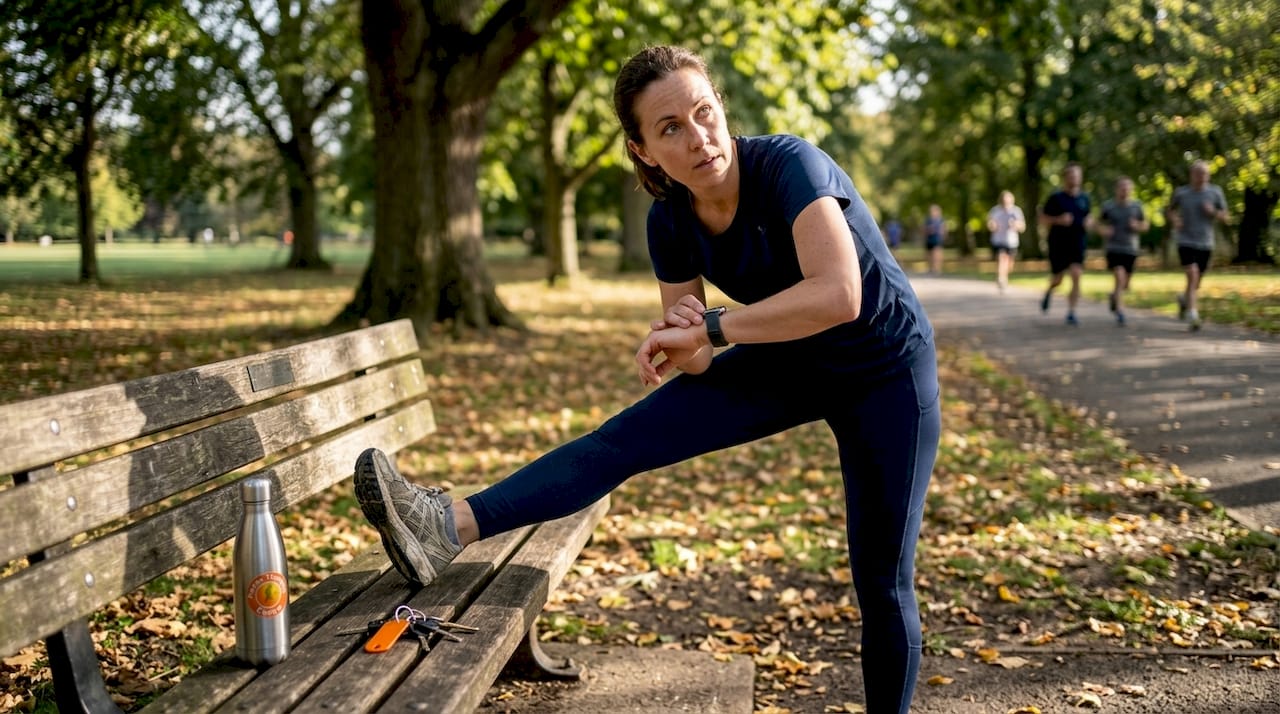
Active adults in Bedfordshire and Buckinghamshire face a persistent challenge: maintaining peak performance while avoiding the musculoskeletal and sports injuries that can derail training and daily life. Research shows that personalised physiotherapy reduces injury risk by up to 35% by addressing individual biomechanics. This guide presents five practical steps to prevent injuries effectively, from initial assessment through ongoing recovery support, helping you stay healthier and more active throughout the year.
Table of Contents
Key Takeaways
Point | Details |
Personalised assessment reduces risk | Personalised physiotherapy reduces injury risk by up to 35 per cent by addressing individual biomechanics. |
Dynamic warm up reduces injuries | Dynamic warm up reduces sports injuries by about 30 per cent when compared with static stretching. |
Strength and neuromuscular training | Structured strength and neuromuscular training improve movement quality and further reduce injury risk beyond generic programmes. |
Load management and recovery | Monitoring load progression and recovery helps prevent overuse injuries as training evolves. |
Gear and local physiotherapy support | Using appropriate gear and local physiotherapy support aids ongoing prevention. |
Step 1: biomechanical assessment and personalised evaluation
A biomechanical assessment examines how your body moves during activity, identifying muscle imbalances, joint restrictions, and faulty movement patterns that increase injury risk. Professional evaluations provide baseline data unique to your anatomy and activity level, revealing vulnerabilities you might not notice yourself. Common risk factors detected include limited ankle mobility, weak hip stabilisers, asymmetric muscle strength, and compensatory movement patterns that overload certain joints.
Tailored assessments address unique biomechanics for lower injury rates among active adults. Once your physiotherapist identifies specific weaknesses or restrictions, they design a personalised exercise plan targeting those exact areas. This approach proves far more effective than generic prevention programmes because it addresses your individual needs rather than applying one size fits all recommendations.
Key elements assessed during evaluation:
Joint range of motion and flexibility limitations
Muscle strength imbalances between left and right sides
Movement quality during sport-specific actions
Posture and alignment during static and dynamic tasks
Proprioception and balance capabilities
Pro Tip: Seek assessments from local Bedfordshire or Buckinghamshire physios who understand regional sporting activities and can provide ongoing monitoring as your training evolves.
Many active adults benefit from bio-mechanical assessments that include video analysis and functional movement screening. These detailed evaluations create a roadmap for your prevention strategy, highlighting which exercises to prioritise and which movement patterns need retraining. Regular reassessments every 12 to 18 months ensure your prevention plan adapts as your body and activities change.
Having established the foundation with assessment, next we focus on preparing your body with effective warm-up and cool-down routines.
Step 2: warm-up and cool-down routines for injury reduction
Dynamic warm-ups prepare your neuromuscular system for activity by gradually increasing blood flow, elevating tissue temperature, and activating the specific movement patterns you’ll use during exercise. Dynamic warm-ups of 10-15 minutes reduce sports injuries by 30% compared to static stretching alone or no warm-up at all.
An effective warm-up sequence follows this structure:
Begin with five minutes of light aerobic activity to raise heart rate
Progress to dynamic mobility exercises targeting major joints
Include sport-specific movement drills at increasing intensity
Finish with balance and activation exercises for key muscle groups
Transition directly into your main activity without long pauses
Your warm-up should mirror the demands of your chosen sport or activity. Runners benefit from leg swings, walking lunges, and high knees. Racquet sports require rotational movements and lateral shuffles. Team sports combine multi-directional changes with quick acceleration drills.
Balance and strength exercises for warm-up:
Single leg stands progressing to reaches
Glute bridges with controlled hip extension
Planks with shoulder taps for core activation
Lateral band walks for hip stabiliser engagement
Cool-down practices aid recovery by gradually reducing heart rate, clearing metabolic waste products, and beginning tissue repair processes. Spend 10 minutes performing gentle movement, static stretching of worked muscles, and proper hydration. Consuming protein and carbohydrates within 30 minutes supports muscle recovery and glycogen replenishment.
Implementing these sports injury prevention principles consistently transforms how your body responds to training stress. The time invested in proper warm-up and cool-down routines pays dividends through reduced injury rates and improved performance quality.
Once warmed up effectively, building resilience through strength and neuromuscular training is the next critical step.
Step 3: progressive strength and neuromuscular training
Strength training builds tissue resilience in muscles, tendons, and ligaments, creating a protective buffer against the forces experienced during activity. Focus your efforts on muscle groups most vulnerable to injury: hip stabilisers, glutes, hamstrings, quadriceps, and core musculature. These areas provide the foundation for nearly all athletic movements and absorb significant stress during running, jumping, and changing direction.
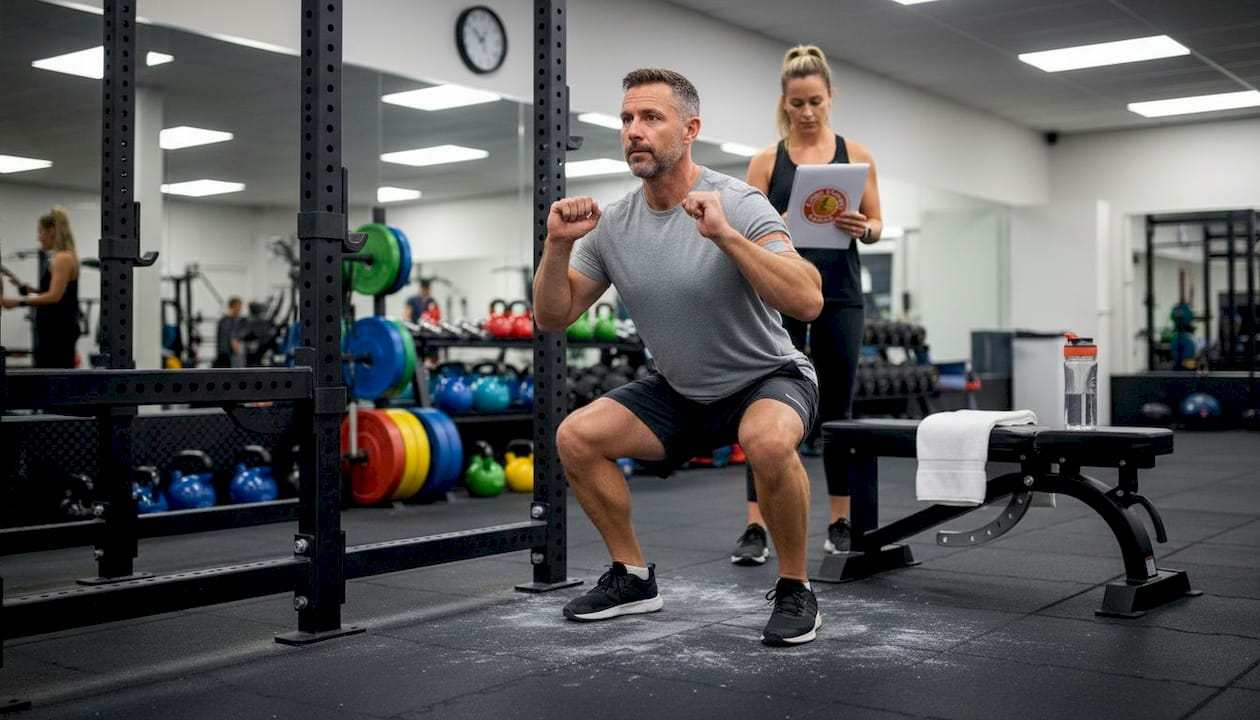
Strength training reduces lower limb injuries by up to 30%, neuromuscular drills by 35-40%, and knee injuries by 25%. Schedule three to four sessions weekly, each lasting 20 to 30 minutes. This frequency allows adequate recovery between sessions whilst providing sufficient stimulus for adaptation.
Neuromuscular training enhances the communication between your nervous system and muscles, improving reaction time, coordination, and movement quality. Include balance exercises, plyometrics, and agility drills that challenge your body to stabilise joints under varying conditions. These drills prove particularly valuable for preventing ankle sprains and knee injuries common in sports requiring quick direction changes.
Training type | Injury reduction | Target areas |
Strength training | 30% lower limb | Muscles, tendons, ligaments |
Neuromuscular drills | 35-40% overall | Balance, coordination, proprioception |
Knee-specific programmes | 25% knee injuries | ACL, patellofemoral joint |
Exercises suited to active adults:
Romanian deadlifts for hamstring and glute strength
Single leg squats for quadriceps and hip stability
Nordic hamstring curls for eccentric strength
Side planks with leg lifts for lateral core control
Box jumps and landing drills for plyometric conditioning
Pro Tip: Start with low intensity and progress gradually to avoid overload. Add weight or difficulty only when you can complete exercises with perfect form and no compensatory movements.
Combining strength work with personalised physiotherapy plans ensures your programme addresses your specific weaknesses identified during assessment. Regular progression keeps your tissues adapting positively rather than plateauing. Those learning to manage sports injury effectively recognise that prevention and rehabilitation share similar principles.
Strength and neuromuscular conditioning must be balanced with careful load management and recovery to sustain injury prevention benefits.
Step 4: load management and recovery techniques
Managing training load prevents the accumulation of fatigue that leads to overuse injuries like stress fractures, tendinopathies, and chronic muscle strains. Following the 10% rule in load progression helps prevent overuse injuries whilst resistance training builds tendon resilience. This principle suggests increasing weekly training volume by no more than 10% to allow tissues adequate adaptation time.
Monitor your training load by tracking duration, intensity, and frequency of sessions. Pay attention to subjective markers like muscle soreness lasting beyond two days, persistent fatigue, declining performance, or disrupted sleep patterns. These signs indicate your body needs additional recovery before increasing load further.
The balance between training stress and recovery determines whether you build fitness or accumulate damage. Scheduled rest allows physiological adaptations that make you stronger and more resilient.
Recovery practices supporting injury prevention:
Hydration of at least two litres daily, more during intense training
Balanced nutrition with adequate protein for tissue repair
Seven to nine hours quality sleep for optimal recovery
Active recovery sessions with low intensity movement
Foam rolling and self-massage for muscle tension
Incorporate complete rest days into your weekly schedule rather than training continuously. These breaks allow your nervous system to recover and prevent the chronic fatigue that impairs movement quality and increases injury risk. Active recovery days with gentle swimming, cycling, or walking promote blood flow without adding significant training stress.
Resistance training deserves special attention in load management because it creates different demands than cardiovascular exercise. Allow 48 hours between sessions targeting the same muscle groups. This recovery window lets muscle fibres repair and strengthen before the next stimulus.
Tracking your training in a simple log helps identify patterns before injuries develop. Note any unusual soreness, reduced range of motion, or performance drops. Early recognition of these warning signs, combined with guidance from the sports injury prevention guide, enables timely adjustments that keep you training consistently.
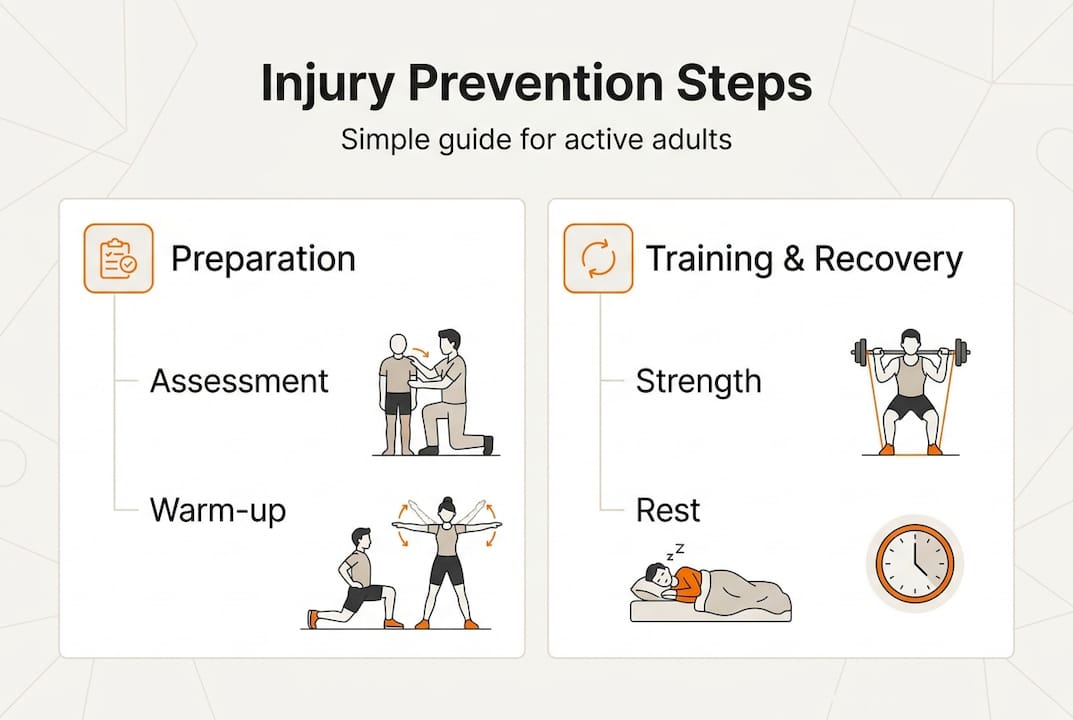
Effective load management supports readiness to perform; finally, using proper equipment, nutrition, and local professional support completes the prevention strategy.
Step 5: equipment, nutrition, and local support for ongoing prevention
Appropriate footwear forms the foundation of injury prevention for active adults. Shoes should match your activity type, provide adequate cushioning for your body weight and impact levels, and be replaced every 400 to 500 miles of running or six months of regular use. Sport-specific protective gear like knee supports, ankle braces, or compression garments offers additional stability when needed.
Proper footwear and balanced diet combined with local physiotherapy assessments greatly enhance ongoing injury prevention. Nutrition supports tissue health through adequate protein intake, sufficient calcium and vitamin D for bone density, and anti-inflammatory foods that aid recovery.
Nutrition and hydration essentials:
Protein intake of 1.6 to 2.2 grams per kilogram body weight daily
Calcium-rich foods or supplements for bone health
Omega-3 fatty acids to reduce inflammation
Consistent hydration before, during, and after activity
Carbohydrates timed around training for energy and recovery
Accessing local physiotherapy services in Bedfordshire and Buckinghamshire provides expert monitoring that catches potential issues before they become injuries. Regular check-ups allow professionals to assess whether your prevention strategies are working and adjust your programme as your fitness and activities evolve.
| Service | Location | Speciality | Key offering | |—|—|—| | Parks Therapy Centre | Multiple Beds/Bucks sites | Multidisciplinary care | Biomechanical assessments, imaging referrals | | Aylesbury physio | Aylesbury | Sports injury prevention | Athlete-specific exercise programmes | | Speedwell Physio | Bedfordshire | Musculoskeletal treatment | Personalised rehabilitation plans |
Professional support proves particularly valuable when transitioning between training phases, returning from injury, or taking up new activities. Physiotherapists identify subtle changes in movement quality or emerging weaknesses that you might miss. They also provide diagnostic imaging referrals when needed to investigate persistent symptoms.
Building relationships with local practitioners creates continuity of care. They understand your injury history, training goals, and response to previous interventions. This knowledge enables more effective prevention strategies tailored to your individual circumstances and the specific demands of activities popular in the local area.
With these comprehensive steps in place, consider how expert local support can further optimise your injury prevention journey.
How Parks Therapy Centre supports injury prevention
Staying active without injury requires more than good intentions. It demands expert assessment, targeted exercises, and ongoing professional guidance. Parks Therapy Centre has supported active adults across Bedfordshire and Buckinghamshire since 1986 with comprehensive injury prevention services.
Our bio-mechanical assessment services identify your unique risk factors through detailed movement analysis and functional testing. When deeper investigation is needed, we arrange diagnostic imaging referrals to ensure nothing is missed. Our multidisciplinary team designs prevention programmes combining physiotherapy, strength training guidance, and ongoing monitoring.
Convenient online booking makes starting your injury prevention journey straightforward. Book therapy online at a location near you and take the first step towards sustained activity without setbacks. Our award-winning team accepts most insurance plans and provides the expert support you need to train confidently.
To wrap up, we answer some common questions active adults have about preventing injuries effectively.
Frequently asked questions
How often should I get a biomechanical assessment?
Schedule assessments every 12 to 18 months if training consistently without issues. Book sooner after any injury, when starting a new sport, or if you notice changes in performance or recurring discomfort. Regular bio-mechanical assessments help adjust your prevention plan as your body and activities evolve.
What are the signs I’m increasing training load too quickly?
Watch for persistent fatigue lasting more than two days, muscle soreness that doesn’t improve with rest, or declining performance despite consistent effort. Increased injury frequency, disrupted sleep, or loss of motivation also signal excessive load. Reduce volume by 20 to 30% when these symptoms appear and allow extra recovery time.
Can warm-up routines be customised for different sports?
Absolutely. Effective warm-ups should mirror the specific movement patterns and intensity of your chosen activity. Runners need different preparation than swimmers or tennis players. Sport-specific warm-ups increase their effectiveness and reduce injury risk more than generic routines.
How should injury prevention change after a previous injury?
Target the previously injured area and surrounding structures with specific strengthening and neuromuscular exercises. Focus particularly on hip stabilisers and medial thigh muscles if you’ve had lower limb injuries. Work with professionals who manage sports injury effectively to design a programme preventing re-injury whilst building back to full activity safely.
Recommended