
Essential physiotherapy tips for beginners: Start recovery right
- Apr 2
- 8 min read
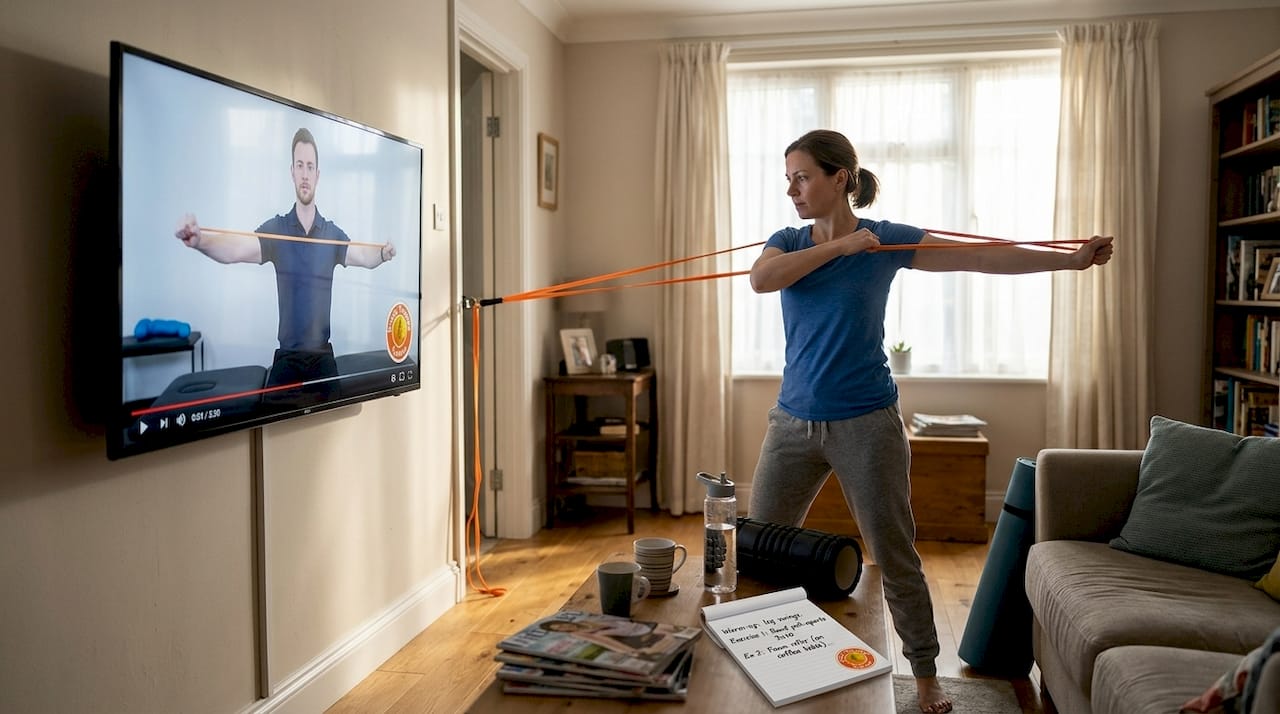
Starting physiotherapy for the first time can feel overwhelming. You have pain, limited movement, and a long list of exercises you are not sure how to approach safely. The good news is that with the right framework, beginners can make confident, evidence-based choices that genuinely speed up recovery. Exercise reduces pain and disability in conditions like low back pain, and the dose really does matter. This article walks you through five practical, expert-backed tips covering assessment, exercise selection, injury progression, and habit building so you can start your physiotherapy journey the right way.
Table of Contents
Key Takeaways
Point | Details |
Get professional assessment | A tailored programme from a physiotherapist prevents errors and accelerates your recovery safely. |
Prioritise active exercises | Evidence-based exercise routines deliver better long-term results than passive treatments alone. |
Progress gradually | Following safe step-by-step increases and monitoring for warning signs protects against setbacks. |
Build consistent routines | Daily habits and tracking progress multiply the benefits of physiotherapy for beginners. |
Start with a professional assessment
With a clear framework outlined, the first practical step is ensuring your physiotherapy journey starts on the safest footing. Many beginners skip the initial assessment because their injury feels minor or they assume they already know what is wrong. That is a costly mistake. Hidden issues such as nerve involvement, joint instability, or compensatory movement patterns are remarkably common, and they change everything about how you should train.
A professional assessment does several things at once. Your physiotherapist will take a detailed pain history, identify physical limitations, and screen for risk factors that could make certain exercises dangerous. From there, they build a tailored programme with realistic milestones that match your current capacity, not someone else’s.
Here is what a thorough initial assessment typically covers:
Pain history: When did it start, what makes it worse, and what relieves it?
Functional testing: How well can you move, load, and stabilise the affected area?
Risk screening: Are there red flags like numbness, referred pain, or unexplained swelling?
Goal setting: What does recovery look like for you specifically?
A good injury prevention guide will tell you the same thing: knowing your baseline is non-negotiable before you add load or intensity. Similarly, a safe sports injury assessment can reveal structural problems that self-diagnosis simply misses.
“The assessment is not a formality. It is the foundation on which every safe, effective exercise decision is built.”
Pro Tip: Do not skip the assessment even for minor injuries. What feels like a mild ankle tweak can mask ligament instability or early tendon degeneration that worsens without proper management.
Once you have your diagnosis and a tailored programme, you are ready to make informed choices about which type of therapy will serve you best.
Follow the science: Why active exercises beat passive treatments
Once assessed, choosing the right therapy method makes a major difference to your outcome. There is a persistent myth in physiotherapy that rest, massage, and heat are the primary routes to recovery. They feel good, and they do offer short-term relief. But strength training and exercise deliver better long-term relief for musculoskeletal pain than passive modalities alone.
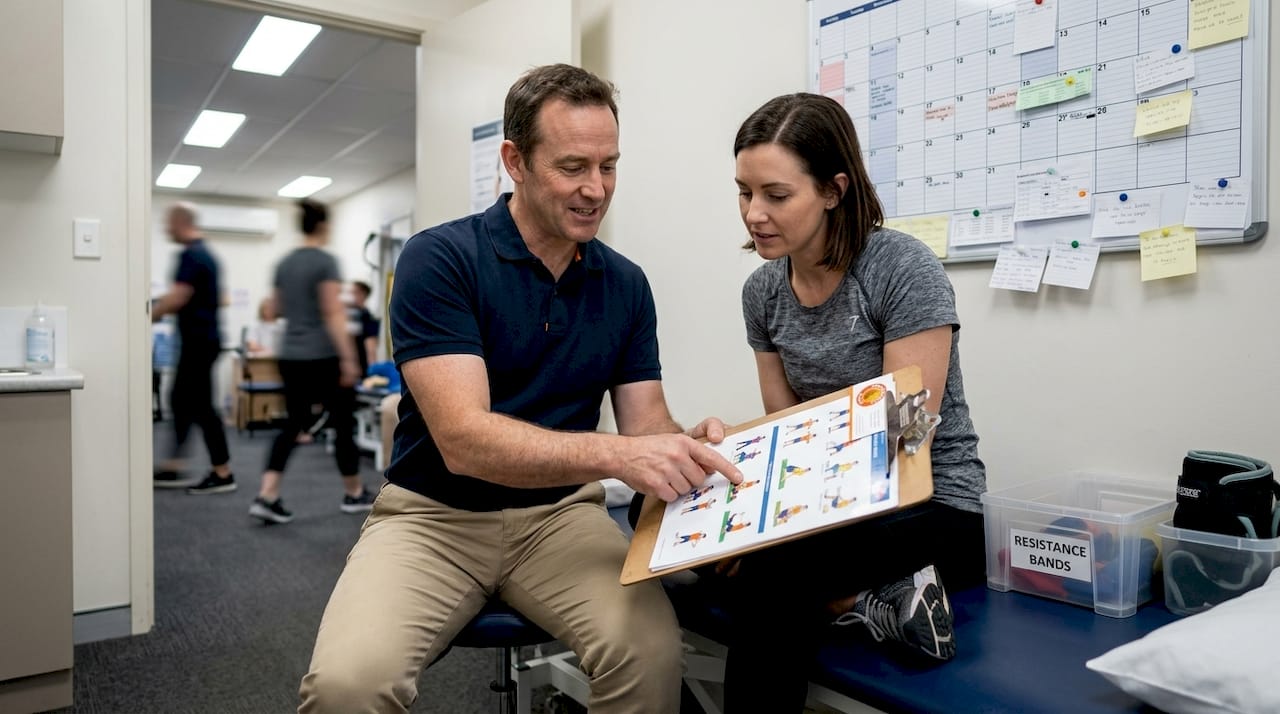
Passive treatments work on your body. Active treatments work with your body. That distinction matters enormously for beginners.
Approach | Benefits | Drawbacks |
Active exercise (strength, mobility, balance) | Addresses root cause, builds resilience, long-term relief | Requires consistency and correct technique |
Passive treatment (massage, heat, ultrasound) | Immediate symptom relief, relaxing | Does not fix underlying weakness or instability |
Combined approach | Best of both worlds for acute phases | Needs professional guidance to balance correctly |
The American College of Sports Medicine (ACSM) recommends moderate aerobic activity, resistance training, and flexibility work as the core of any musculoskeletal rehabilitation programme. For beginners, that does not mean hitting the gym hard on day one. It means starting with daily stretching and progressing to gentle resistance routines as your body adapts.
Beginner-friendly active exercises to consider:
Gentle range-of-motion work: Ankle circles, shoulder rolls, and hip flexor stretches
Isometric strengthening: Muscle contractions without joint movement, ideal for acute pain
Balance and proprioception: Single-leg standing, wobble board work
Progressive resistance: Resistance bands before weights, bodyweight before machines
Understanding the full range of physiotherapy techniques available helps you ask better questions at your appointments. And if you want a clear roadmap from start to finish, a step-by-step full recovery guide can show you how active rehabilitation phases typically unfold.
The takeaway is simple: passive treatments have a place, especially in the first 48 to 72 hours after an acute injury. After that, movement is medicine.
Safe steps for common injuries: Acute to active
Knowing which exercises work is essential, but understanding the correct progression is equally important for common injuries. Take an ankle sprain, one of the most frequent musculoskeletal injuries seen in physiotherapy clinics. Rushing back to full activity too soon is a leading cause of re-injury and chronic instability.
The current best-practice framework for acute injuries is known as POLICE: Protect, Optimal Loading, Ice, Compression, and Elevation. It replaces the older RICE method because it introduces the concept of optimal loading, meaning you start gentle movement early rather than resting completely.
Here is a safe, stepwise progression for an ankle sprain:
Days 1 to 3 (Protect and reduce swelling): Elevate, apply ice for 15 to 20 minutes every two hours, and use a compression bandage. Avoid full weight-bearing if painful.
Days 3 to 7 (Gentle movement): Begin towel stretches and gentle ankle pumps while seated. Ankle sprain steps recommend starting with movements tolerated without sharp pain.
Week 2 (Active mobility): Progress to standing calf raises and gentle balance work on both feet.
Weeks 3 to 6 (Resistance and proprioception): Introduce resistance band exercises and single-leg balance challenges.
Week 6 onwards (Functional return): Sport-specific or activity-specific drills, cleared by your physiotherapist.
Stage | Key exercises | Warning signs to stop |
Acute (Days 1 to 3) | Ice, elevation, rest | Severe swelling, numbness, skin discolouration |
Early mobility (Days 3 to 7) | Ankle pumps, towel stretches | Sharp pain, increased swelling |
Strengthening (Weeks 2 to 4) | Calf raises, resistance bands | Pain above 4 out of 10 during exercise |
Functional (Week 6+) | Jogging, lateral movements | Instability, recurrent swelling |
Pro Tip: Monitor for severe pain, significant swelling, or numbness at any stage. These can signal compartment syndrome or nerve involvement, both of which need urgent professional attention.
For broader context on managing sports injuries and understanding injury prevention strategies, building your knowledge base early pays dividends. It also helps to familiarise yourself with common injury recovery terms so you can follow your physiotherapist’s instructions with confidence.
Build habits for lasting results
Making progress with your injury means building reliable routines. Here is how to set yourself up for sustained success. The biggest predictor of physiotherapy outcomes is not the quality of your first session. It is what you do consistently between sessions.
Exercise reduces disability and supports long-term improvement, and forming habits multiplies those benefits significantly. A 20-minute daily routine beats a two-hour session once a week every single time.
Here are practical habit-building strategies that work for beginners:
Anchor your exercises to existing habits: Do your stretches straight after brushing your teeth or before your morning coffee.
Use a simple tracking tool: A paper diary, a free app, or even a calendar tick works. Seeing your streak builds motivation.
Set a weekly review: Every Sunday, assess what felt better, what was difficult, and what you want to improve.
Prepare for setbacks: Pain flare-ups are normal and expected. Have a plan for easier, lower-load alternatives so you do not skip the day entirely.
Celebrate small wins: Walked further than last week? Slept through the night without pain? These matter.
For specific guidance on protecting vulnerable joints, knee injury prevention tips offer a brilliant example of how targeted habits protect long-term function.
“Consistency is the cornerstone of effective physiotherapy.”
Pro Tip: Small, daily actions outperform sporadic, intense efforts. Even five minutes of gentle mobility work on a difficult day keeps the habit alive and the body moving forward.
Managing fatigue and discomfort is part of the process. If an exercise causes pain above a four out of ten, reduce the intensity rather than stopping altogether. Progress is rarely linear, and that is completely normal.
A fresh take: Why beginner caution is a strength, not a weakness
Having mastered the basics and built healthy habits, it is worth rethinking how beginners should approach progress in physiotherapy. Most fitness culture celebrates pushing harder, going further, and doing more. In physiotherapy, that mindset regularly backfires.
The beginners who recover fastest are often not the most aggressive. They are the most consistent and the most honest with themselves about what their body is telling them. Caution is not timidity. It is intelligence applied to recovery.
Rushing progression or skipping assessment steps is one of the most common reasons people plateau or re-injure themselves within the first few weeks. Slower, deliberate progress reduces setbacks, builds genuine tissue strength, and boosts confidence in a way that reckless effort simply cannot.
Mindful self-checks, such as asking yourself whether today’s pain is different from yesterday’s, whether you slept well, or whether you feel unusually fatigued, are genuinely powerful clinical tools. They help you make better decisions than any generic programme can. A comprehensive recovery guide reinforces this point: the phases of recovery exist for biological reasons, not arbitrary ones. Respect them, and your body rewards you.
Professional support for your physiotherapy journey
Even the most disciplined self-directed routine has limits. Professional oversight catches what you cannot see yourself, whether that is a subtle movement compensation, an unresolved structural issue, or a training load that is quietly building towards re-injury.
At Parks Therapy Centre, our qualified physiotherapists provide personalised assessments, diagnostic imaging referrals where needed, and ongoing guidance that adapts as you progress. Established in 1986 and serving patients across Bedfordshire and Buckinghamshire, we combine evidence-based practice with genuine patient-centred care. Whether you are managing a new injury or working through a long-standing problem, expert physiotherapy support gives you the safest and most effective path forward. Book online today and take the first real step towards lasting recovery.
Frequently asked questions
How often should beginners do physiotherapy exercises?
Most beginners benefit from gentle daily exercises, gradually increasing intensity as comfort allows and following their physiotherapist’s specific guidance. ACSM-recommended exercise doses are the most effective for reducing pain and disability over time.
What should I do if my pain gets worse during physiotherapy?
Stop the exercise immediately, rest, apply ice if appropriate, and contact your physiotherapist to rule out serious injury. Worsening pain after injury can occasionally signal conditions like compartment syndrome that require urgent assessment.
Which is better for recovery, stretching or strength exercises?
Strength training and structured exercise are more effective than stretching or passive treatments for most musculoskeletal injuries, particularly for long-term outcomes. Stretching plays a supporting role but should not be your primary rehabilitation strategy.
Recommended