
Manual therapy explained: evidence, benefits, and guidance
TL;DR:
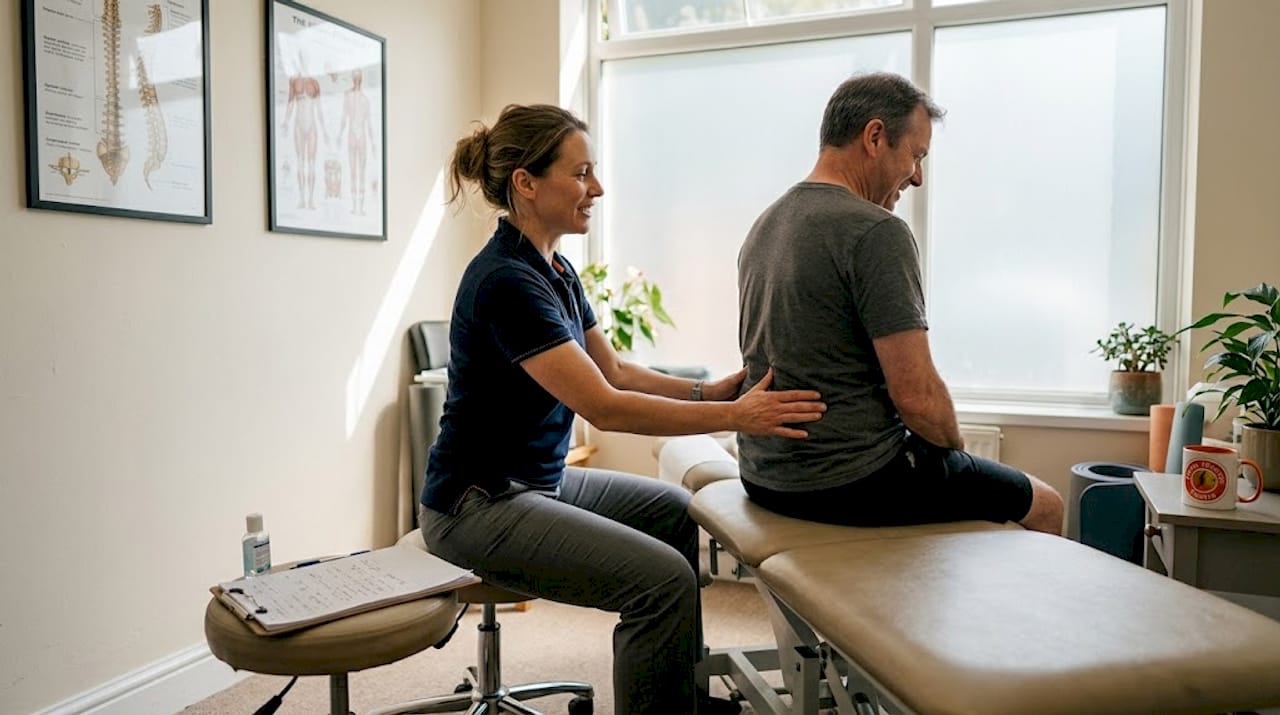
Manual therapy involves hands-on techniques targeting pain mechanisms and nervous system response.
Combining manual therapy with exercise improves outcomes in conditions like chronic low back pain.
Effectiveness varies by condition, with the best results from integrated approaches and practitioner expertise.
Manual therapy is widely misunderstood. Many people assume it means a relaxing massage or a sharp click of the spine, yet the reality is far more nuanced. Modern research shows that manual therapy works through neurophysiological and contextual mechanisms that go well beyond simple structural adjustment. Whether you are managing chronic back pain in Bedford, recovering from a sports injury in Aylesbury, or navigating pregnancy-related discomfort, understanding what manual therapy actually involves can help you make better decisions about your care. This guide covers the techniques, the evidence, and the practical steps you need.
Table of Contents
Key Takeaways
Point | Details |
Modern manual therapy | Manual therapy works through neurophysiological and contextual mechanisms, not just biomechanics. |
Evidence is mixed | Best results occur when manual therapy is combined with exercise, especially for chronic back pain and sports injuries. |
Specialist selection matters | Choose practitioners specialising in musculoskeletal pain for effective results in Bedfordshire and Buckinghamshire. |
Pregnancy caution | Manual therapy may help pregnancy discomfort, but evidence is limited and specialist advice is recommended. |
What is manual therapy?
Manual therapy is a broad term for hands-on clinical techniques used by physiotherapists, osteopaths, and chiropractors to assess and treat musculoskeletal pain. It is not a single treatment. It is a family of approaches, each targeting different tissues and pain mechanisms.
The core techniques include:
Joint mobilisation: Slow, rhythmic movements applied to a joint to restore range of motion and reduce stiffness
Joint manipulation: A faster, controlled thrust that often produces an audible click
Soft tissue release: Pressure and stretching applied to muscles, fascia, and tendons to reduce tension
Myofascial techniques: Sustained pressure targeting the connective tissue surrounding muscles
Neural mobilisation: Gentle movements designed to restore normal nerve movement through surrounding tissue
People often confuse manual therapy with massage or general physiotherapy terminology. Massage primarily targets relaxation and circulation. Physiotherapy is a broader discipline that includes exercise prescription, electrotherapy, and education. Manual therapy sits within physiotherapy but has its own distinct clinical reasoning and application.
What makes modern manual therapy particularly interesting is the shift away from purely mechanical explanations. For decades, practitioners believed that joint manipulation worked by physically realigning structures. Current evidence paints a more complex picture.
“Mechanisms of manual therapy include neurovascular, neurological, and neurotransmitter changes, meaning the effects are not simply structural.”
This means that when a physiotherapist mobilises your lumbar spine, the pain relief you feel may be driven as much by changes in your nervous system as by any physical correction. The brain, the spinal cord, and local nerve endings all respond to skilled manual input. This neurophysiological understanding has genuinely changed how experienced clinicians approach treatment planning, moving away from the idea that something must be “put back in place.”
Manual therapy is most effective when it is part of a broader treatment plan rather than a standalone fix. Think of it as a tool that opens a window of reduced pain, allowing you to engage more effectively with exercise and rehabilitation.
What does the evidence say about manual therapy?
The evidence base for manual therapy is substantial but nuanced. It varies considerably depending on the condition being treated, the techniques used, and whether manual therapy is combined with other interventions.
Condition | Effect size | Evidence quality |
Chronic low back pain | Moderate (short-term) | Moderate |
Tennis elbow | Small to moderate | Low to moderate |
Subacromial shoulder pain | Moderate | Moderate |
Pregnancy-related pelvic pain | Small to moderate | Limited |
Neck pain and headaches | Small to large | Moderate |
Fibromyalgia | Small | Low |
For chronic low back pain, the evidence is perhaps the most robust. Manual therapy plus exercise improves short-term pain, function, and disability more than exercise alone, with eight out of ten studies reporting positive outcomes. This is clinically meaningful for anyone who has struggled with persistent low back pain that simply does not respond to rest.
For sports injuries, the picture is more varied. Manual therapy for tennis elbow shows low-certainty evidence of reduced pain and disability compared to placebo or minimal treatment. Subacromial shoulder pain responds better, with moderate evidence supporting improvements in pain and function both with and without exercise.
For chronic conditions more broadly, integrated manual therapies show low to moderate evidence of improvements in pain and function across conditions including neck pain, hip osteoarthritis, and knee pain.
Key takeaways from the evidence:
Manual therapy rarely works best in isolation
Combining it with exercise consistently produces better outcomes
Neurophysiological effects are more reliably demonstrated than biomechanical ones
Evidence quality is improving but remains moderate for most conditions
Understanding these nuances helps you set realistic expectations. Manual therapy is not a cure. It is a clinically supported tool that, used appropriately, can meaningfully reduce your pain and improve your ability to move and function.
Manual therapy for specific groups: pregnancy, sports, and chronic conditions
Different groups have different needs, and manual therapy adapts accordingly. Here is how it applies to the groups most commonly seeking help across Bedfordshire and Buckinghamshire.
Pregnancy-related pain
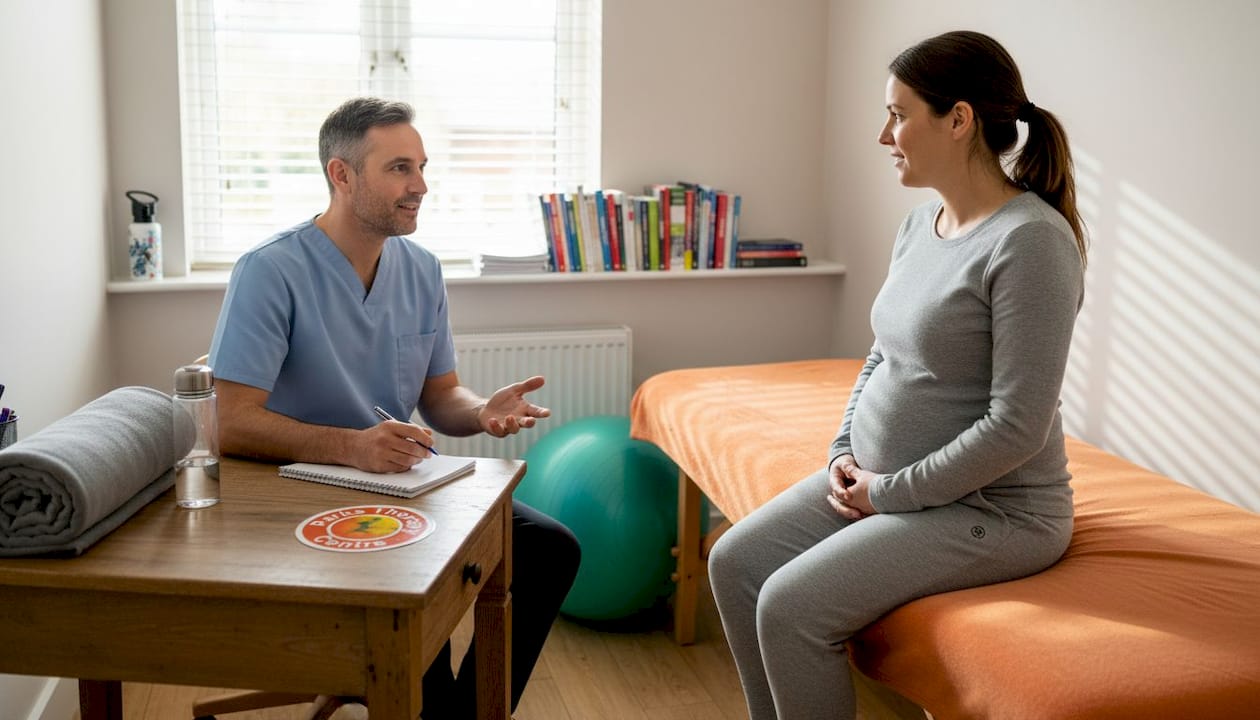
Back and pelvic girdle pain affects a significant proportion of pregnant women, often limiting daily activity. Manual therapy in pregnancy shows positive effects on pain intensity compared to usual care and relaxation, though not consistently versus sham treatment. The evidence is limited but encouraging. If you are considering this route, our guide to pregnancy physiotherapy covers safe and effective approaches in detail.
Sports injuries
Athletes and active individuals in Buckinghamshire and Bedfordshire frequently present with tennis elbow, shoulder impingement, and ankle sprains. Manual therapy combined with targeted exercise is the most effective approach for these conditions. The key is specificity: the right technique applied to the right structure at the right stage of healing.
Pro Tip: If you have a sports injury, ask your practitioner to combine manual therapy with a structured exercise programme. Passive treatment alone rarely produces lasting results for active people.
Chronic pain conditions
For fibromyalgia, chronic neck pain, and persistent headaches, manual therapy plays a supporting role within a broader pain management strategy. The steps below outline a sensible approach:
Get a thorough assessment to identify the primary pain drivers
Discuss whether manual therapy is appropriate for your specific condition
Combine manual therapy with graded exercise and pain education
Monitor progress at regular intervals and adjust the plan accordingly
Consider complementary approaches such as Pilates for MSK recovery to support long-term function
Group | Primary benefit | Best combined with |
Pregnant women | Reduced pelvic/back pain | Gentle exercise, education |
Sports injuries | Faster return to activity | Structured rehab programme |
Chronic pain | Improved function, reduced pain | Exercise, pain education |
Choosing and integrating manual therapy: practical advice for Bedfordshire and Buckinghamshire residents
Knowing the evidence is one thing. Knowing how to act on it is another. Here is what to consider when seeking manual therapy locally.
Finding the right practitioner
Not all hands-on therapists are equal. Integrated manual therapies for MSK pain recommends seeking physiotherapists, chiropractors, or osteopaths who specialise in musculoskeletal pain and combine manual therapy with exercise. Credentials matter. Look for registration with the Health and Care Professions Council (HCPC) for physiotherapists, or the General Osteopathic Council (GOsC) for osteopaths.
Pro Tip: Before booking, ask the practitioner how they plan to integrate manual therapy with exercise or other treatments. A good clinician will always have a rehabilitation plan beyond the hands-on work.
Key factors to look for:
Specific experience with your condition (back pain, sports injury, pregnancy)
A clear assessment process before treatment begins
Willingness to explain the reasoning behind each technique
A plan that includes home exercise for recovery alongside clinic-based treatment
Familiarity with injury prevention to reduce recurrence
Integrating manual therapy effectively
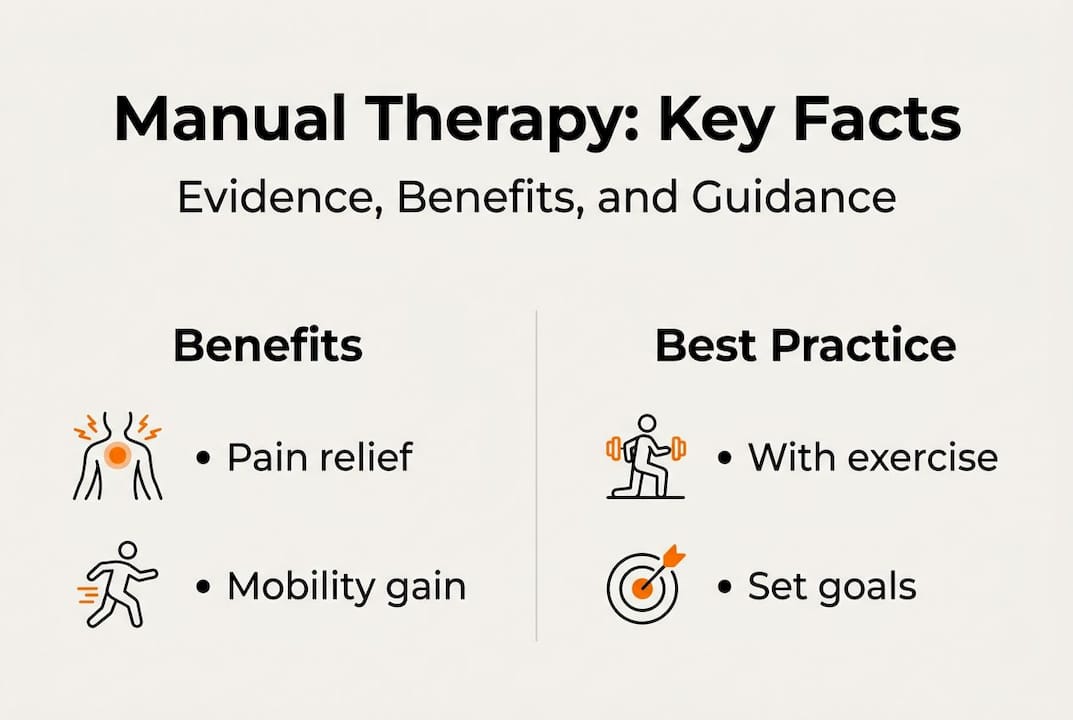
Manual therapy works best as part of a broader strategy. For sports injuries and chronic conditions, combining it with exercise consistently produces better outcomes than either approach alone. Our guide to choosing physiotherapy techniques can help you understand which approaches suit different presentations.
If you are new to treatment, our physiotherapy recovery tips offer practical starting points. For those managing longer-term issues, understanding physiotherapy for musculoskeletal disorders provides useful context for why ongoing management matters.
Special considerations for pregnancy
Always inform your practitioner if you are pregnant. Certain techniques, particularly high-velocity manipulation, are not appropriate during pregnancy. Gentle mobilisation and soft tissue work, delivered by a qualified practitioner with obstetric experience, are generally considered safe.
Why manual therapy is more than hands-on treatment
After nearly four decades of working with patients across Bedfordshire and Buckinghamshire, we have seen a significant shift in how manual therapy is understood and delivered. The old view was simple: something is out of place, and the therapist puts it back. That model is outdated.
Modern manual therapy emphasises neurophysiological and contextual factors over structural changes. What this means in practice is that the therapeutic relationship, the patient’s beliefs about pain, and the clinical environment all influence outcomes. A confident, reassuring practitioner working within a well-structured care plan will consistently outperform a technically skilled but dismissive one.
Contextual effects are not a weakness of manual therapy. They are a feature. Understanding that the brain mediates pain responses means that education, reassurance, and skilled touch all contribute to recovery. The best outcomes we see come from combining integrated physiotherapy techniques with genuine patient engagement. Manual therapy is a catalyst, not a cure, and the most effective clinicians use it to create the conditions for the patient’s own recovery.
Take your next step towards recovery
If you have been living with musculoskeletal pain, a sports injury, or pregnancy-related discomfort, you do not have to manage it alone. Manual therapy, delivered by qualified practitioners within a structured care plan, can make a meaningful difference to your pain and your quality of life.
At The Parks Therapy Centre, our team of experienced physiotherapists, sports therapists, and allied health professionals has been supporting patients across Bedfordshire and Buckinghamshire since 1986. We combine manual therapy with exercise, education, and patient-centred care to deliver lasting results. Whether you are booking for the first time or returning after a gap, we are here to help you move and feel better. Book online today and take the first step towards lasting relief.
Frequently asked questions
Is manual therapy effective for chronic back pain?
Manual therapy combined with exercise improves short-term pain and function in chronic low back pain more than exercise alone, with eight out of ten studies reporting positive outcomes. Evidence quality is moderate, making it one of the better-supported approaches for this common condition.
Can manual therapy help with pregnancy-related pain?
Manual therapy may reduce pain intensity for pregnancy-related back and pelvic pain compared to usual care, though evidence in pregnancy is limited and results versus sham treatment are inconsistent. Always seek a practitioner with specific obstetric experience.
Is manual therapy useful for sports injuries?
Manual therapy is moderately effective for sports injuries such as tennis elbow and shoulder impingement, particularly when combined with exercise. Effects are small to moderate, and the best outcomes come from integrating hands-on treatment with a structured rehabilitation programme.
What should residents in Bedfordshire and Buckinghamshire look for in a manual therapy practitioner?
Choose a practitioner who specialises in musculoskeletal pain and is registered with the appropriate regulatory body. Integrated care for MSK pain consistently shows better outcomes when manual therapy is delivered alongside exercise and patient education rather than as a standalone treatment.
Recommended