
Pain management strategies list: your complete guide
TL;DR:
Effective pain management combines physical therapy, exercise, psychological therapies, and lifestyle changes into a personalized, multimodal plan. Consistent adherence to techniques like ACSM-guideline exercise, CBT or ACT, and lifestyle adjustments optimizes outcomes and promotes sustainable recovery. Tailoring strategies to individual patient needs and maintaining ongoing professional support are key to long-term pain relief and functional improvement.
Pain management strategies are comprehensive methods designed to relieve discomfort and restore function through physical therapy, medication, psychological techniques, and lifestyle adjustments. The most effective approach combines several of these methods into a personalised plan, because no single technique addresses every dimension of pain. Clinical guidelines including Scotland’s 2026 chronic pain prescribing guide and the American College of Sports Medicine (ACSM) exercise recommendations both confirm that multimodal, patient-centred care produces better outcomes than any single treatment in isolation. Whether you are managing chronic pain, recovering from a sports injury, or working through a musculoskeletal condition, this pain management strategies list gives you a practical, evidence-based starting point.
1. Physical therapy and graded movement
Physical therapy is the cornerstone of most effective pain relief methods, particularly for musculoskeletal and chronic pain conditions. The VA Eastern Colorado chronic pain programme demonstrates how graded movement retrains the nervous system, gradually rebuilding confidence and function rather than simply masking symptoms. Therapists teach patients to distinguish between pain that signals genuine tissue damage and pain generated by an overprotective nervous system. This distinction is transformative. It allows people to move more freely without fear.
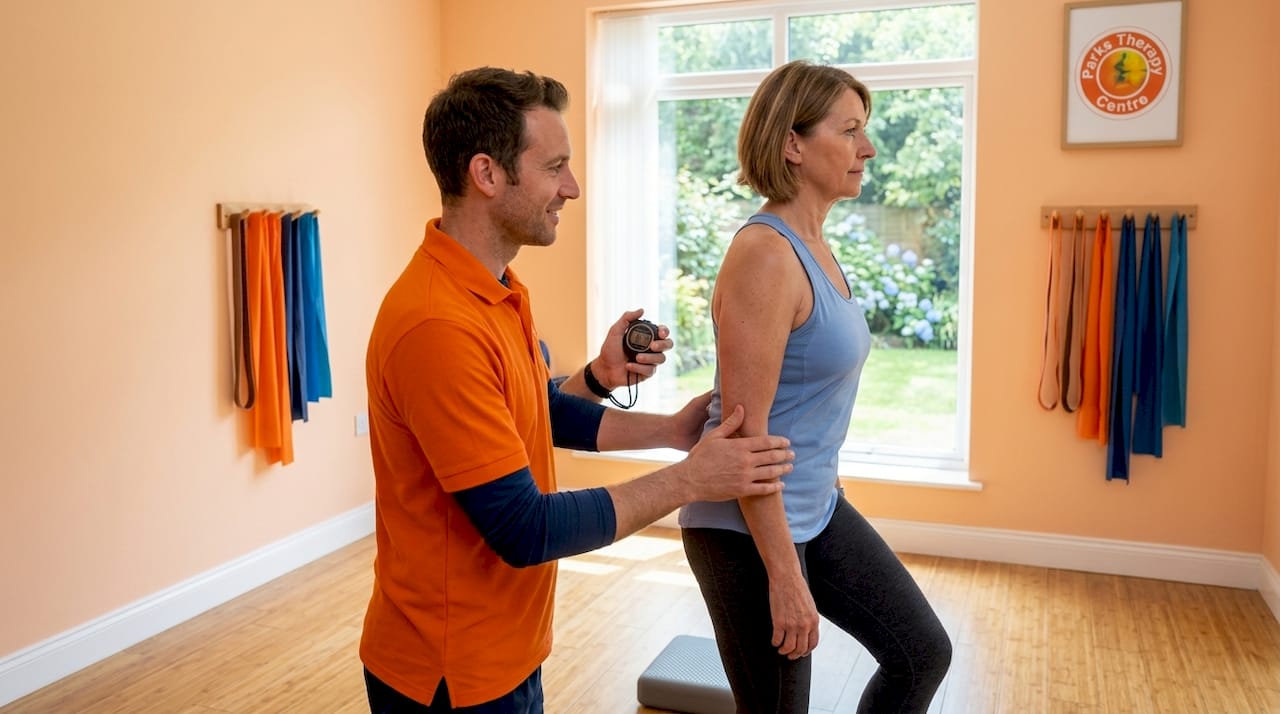
A physiotherapist will assess your movement patterns, identify compensations, and prescribe targeted exercises. You can read more about physiotherapy techniques for pain relief to understand the range of methods available. Progress is measured in function gained, not just pain reduced.
2. Exercise therapy following ACSM guidelines
Exercise is one of the most powerful chronic pain treatment techniques available, yet it is frequently underused because patients fear it will worsen their condition. A 2026 meta-analysis found that exercise following ACSM guidelines produced a pain standardised mean difference of −1.98 in non-specific low back pain patients. That figure represents a clinically significant reduction in pain, meaning structured exercise genuinely changes the pain experience rather than simply distracting from it.
The ACSM’s FITT principles provide the framework:
Frequency: aim for at least three to five sessions per week, building gradually from your current baseline.
Intensity: start at a low to moderate level and progress only when the previous level feels manageable.
Time: sessions of 20 to 60 minutes, depending on your condition and tolerance.
Type: combine aerobic activity, resistance training, flexibility work, and balance exercises for the broadest benefit.
Adherence is the critical variable. High adherence to exercise prescription consistently produces better disability outcomes than sporadic effort, regardless of which exercise type is used. Avoiding the boom-bust cycle, where you do too much on a good day and pay for it the next, is central to sustainable progress.
Pro Tip: Keep a simple exercise diary noting what you did, how you felt during the session, and your pain level the following morning. Patterns emerge quickly, and this data helps your therapist adjust your programme before problems develop.
3. Cognitive behavioural therapy (CBT) for pain
Cognitive behavioural therapy is a structured psychological approach that targets the thoughts, beliefs, and behaviours that amplify pain. Scotland’s 2026 chronic pain guide recommends CBT and ACT as first-line psychological interventions, tailored to individual patient preferences. This recommendation reflects strong evidence that how you think about pain directly influences how much it interferes with your life.
CBT for pain typically involves identifying catastrophic thinking patterns, challenging unhelpful beliefs about movement and damage, and building behavioural experiments that test those beliefs in real life. Acceptance and Commitment Therapy (ACT) takes a complementary angle, helping you move towards valued activities even when pain is present rather than waiting for pain to disappear first. Both approaches require consistent practice over weeks, but the functional gains are well documented.
4. Mindfulness and relaxation techniques
Mindfulness allows patients to observe pain non-judgementally, reducing the emotional reactivity that amplifies its intensity. The Scottish 2026 prescribing guide highlights mindfulness as an effective strategy with benefits extending beyond pain reduction to improved overall wellbeing. This matters because chronic pain rarely affects only the body. It disrupts sleep, mood, relationships, and identity.
Practical relaxation techniques include:
Progressive muscle relaxation: systematically tensing and releasing muscle groups to reduce whole-body tension.
Diaphragmatic breathing: slow, deep breathing that activates the parasympathetic nervous system and lowers pain sensitivity.
Guided imagery: using mental visualisation to shift attention and reduce perceived pain intensity.
Body scan meditation: a mindfulness practice that builds awareness of physical sensations without judgement.
Consistency determines effectiveness. Ten minutes of daily practice produces more benefit than occasional hour-long sessions.
5. Medications as part of a multimodal plan
Medications remain a legitimate part of the pain management options available, but they work best as one component of a broader plan rather than the sole strategy. Non-opioid medicines such as NSAIDs and paracetamol address inflammation and acute pain effectively when used appropriately. Geisinger’s 2026 guidance on holistic chronic pain management promotes combining medical, physical, and behavioural therapies to build resilience and reduce long-term medication reliance.
Opioids carry significant risks. Research published in BMJ Supportive and Palliative Care estimates opioid misuse risk at around 20% even in cancer pain management, underscoring the need for careful integration with non-pharmacological strategies. This does not mean opioids are never appropriate. It means they require close monitoring and should be paired with active rehabilitation.
Key principles for medication use in pain management:
Use the lowest effective dose for the shortest necessary period.
Review medications regularly with your GP or pain specialist.
Combine pharmacological treatment with physical and psychological therapies from the outset.
Never stop opioid medications abruptly without medical supervision.
6. Acupuncture and complementary therapies
Acupuncture, hypnosis, biofeedback, and massage each offer pain relief through distinct mechanisms, from stimulating endorphin release to improving circulation and reducing muscle tension. Alternative therapies provide non-drug pain relief with generally favourable safety profiles when delivered by qualified practitioners. They work particularly well as adjuncts to conventional physiotherapy and medical care.
Therapy | Primary mechanism | Best suited for |
Acupuncture | Endorphin release, nerve modulation | Chronic musculoskeletal pain, headaches |
Massage therapy | Circulation, muscle tension reduction | Soft tissue injuries, tension pain |
Biofeedback | Physiological self-regulation | Stress-related pain, headaches |
Hypnotherapy | Altered pain perception | Chronic pain, procedural pain |
Yoga and tai chi | Movement, breath, body awareness | Chronic pain, balance, flexibility |
Mind-body practices such as yoga and tai chi deserve particular mention. They combine gentle movement with breath control and focused attention, addressing physical deconditioning and psychological distress simultaneously. Parkstherapycentre offers acupuncture as part of its multidisciplinary services, making it straightforward to integrate these approaches with physiotherapy.
Pro Tip: When trying a new complementary therapy, commit to at least six sessions before evaluating its effect. Pain responses to acupuncture and massage often improve progressively rather than immediately.
7. Lifestyle adjustments: sleep, nutrition, and stress
Lifestyle factors are not peripheral to pain management. They are central to it. Effective chronic pain self-management integrates activity, sleep, nutrition, stress management, and social engagement into a measurable plan supported by clinicians. Poor sleep, for instance, lowers pain thresholds and reduces the effectiveness of every other strategy on this list.
Practical lifestyle strategies include:
Sleep hygiene: consistent sleep and wake times, a cool dark room, and avoiding screens for 60 minutes before bed.
Anti-inflammatory nutrition: diets rich in omega-3 fatty acids, vegetables, and whole grains reduce systemic inflammation associated with chronic pain.
Stress management: chronic stress elevates cortisol, which sensitises pain pathways. Regular physical activity, social connection, and relaxation practices all lower this baseline.
Pacing: balancing activity and rest prevents the boom-bust cycle that worsens pain over time.
For practical daily strategies, the chronic pain management guides from Parkstherapycentre offer structured advice on building these habits into everyday life.
8. SMART goal setting and self-management
Goal setting transforms vague intentions into measurable progress. Scotland’s 2026 chronic pain guide promotes SMART goals as a person-centred framework: Specific, Measurable, Achievable, Realistic, and Timed. Rather than aiming to “be pain-free,” a SMART goal might be “walk to the local shops three times per week by the end of next month.” This shift in focus from eliminating pain to restoring function is clinically significant.
Self-management also means understanding your condition well enough to make informed decisions day to day. Patient education about pain neuroscience, the role of the nervous system, and the safety of movement reduces fear-avoidance behaviour and improves adherence to exercise programmes. Empowered patients recover faster and maintain their gains longer.
Key takeaways
Effective pain management requires combining physical, psychological, and lifestyle strategies into a personalised, consistently practised plan rather than relying on any single method.
Point | Details |
Multimodal approaches work best | Combining physical therapy, psychological techniques, and lifestyle changes produces better outcomes than any single treatment. |
Exercise adherence is critical | Following ACSM FITT principles and maintaining consistency delivers clinically significant reductions in pain and disability. |
Psychological therapies are first-line | CBT and ACT are recommended by Scotland’s 2026 chronic pain guide as effective, evidence-based interventions. |
Medications need integration | NSAIDs and paracetamol support recovery when combined with active rehabilitation; opioids require careful monitoring and non-drug pairing. |
Lifestyle factors determine outcomes | Sleep, nutrition, stress management, and pacing directly influence pain severity and the effectiveness of formal therapies. |
What I have learned about building a pain plan that actually works
The most common mistake I see is treating pain management as a sequence rather than a combination. Someone tries physiotherapy for a few weeks, does not get complete relief, and concludes it has not worked. Then they try medication. Then perhaps acupuncture. Each approach is tested in isolation, and none gets the sustained commitment it requires to show its full effect.
The evidence is clear that tailoring pain management to patient preferences and maintaining consistent practice determines whether any strategy succeeds. Physical therapy without psychological support leaves fear-avoidance unaddressed. Medication without exercise allows deconditioning to continue. Mindfulness without sleep hygiene leaves the nervous system perpetually sensitised.
What I advocate for is an honest conversation between patient and clinician about which combination fits that person’s life, values, and current capacity. A 65-year-old with osteoarthritis and a 28-year-old recovering from a hamstring tear need different entry points into the same framework. The framework itself, combining movement, psychology, lifestyle, and where appropriate medication, remains consistent.
Persistence matters more than perfection. Progress in chronic pain is rarely linear. A bad week does not erase three good ones. The goal is a gradual upward trend in function, and that requires both professional guidance and patient commitment in equal measure. For those managing lower back pain specifically, understanding whether Pilates supports recovery is a useful next step in building an informed exercise plan.
— Ivan
Start your personalised pain management plan with Parkstherapycentre
Parkstherapycentre has been delivering expert physiotherapy and multidisciplinary pain care across Bedfordshire and Buckinghamshire since 1986. The team combines physiotherapy, acupuncture, sports injury treatment, and podiatry into personalised programmes designed around your specific condition and goals.
Whether you are managing a long-term musculoskeletal condition, recovering from a sports injury, or looking for a structured approach to chronic pain, Parkstherapycentre offers the clinical expertise and holistic pain relief tools to support your recovery. Book an assessment through the Parkstherapycentre website and take the first step towards a plan built specifically for you.
FAQ
What are the most effective pain management techniques?
The most effective techniques combine physical therapy, exercise prescribed to ACSM guidelines, CBT or ACT, and lifestyle adjustments including sleep and stress management. Scotland’s 2026 chronic pain guide confirms that multimodal, personalised approaches consistently outperform single-method treatment.
How does exercise help with chronic pain?
Exercise retrains the nervous system, reduces inflammation, and rebuilds physical function. A 2026 meta-analysis found that ACSM-guideline-adherent exercise produced a pain standardised mean difference of −1.98 in low back pain patients, representing a clinically significant improvement.
Are alternative therapies like acupuncture worth trying?
Acupuncture, massage, and biofeedback offer evidence-supported pain relief with favourable safety profiles when delivered by qualified practitioners. They work best as adjuncts to physiotherapy and medical care rather than standalone replacements.
What is the difference between CBT and ACT for pain?
CBT targets unhelpful thought patterns and behaviours that amplify pain, while ACT focuses on accepting pain and committing to valued activities regardless of its presence. Both are recommended in Scotland’s 2026 chronic pain prescribing guide and can be used together or sequentially.
When should I see a professional about my pain?
Seek professional assessment if pain persists beyond four to six weeks, limits daily function, or is accompanied by neurological symptoms such as numbness or weakness. A physiotherapist or pain specialist can identify the underlying cause and design a structured, evidence-based management plan.
Recommended