
Musculoskeletal pain treatment in 2026: what works now
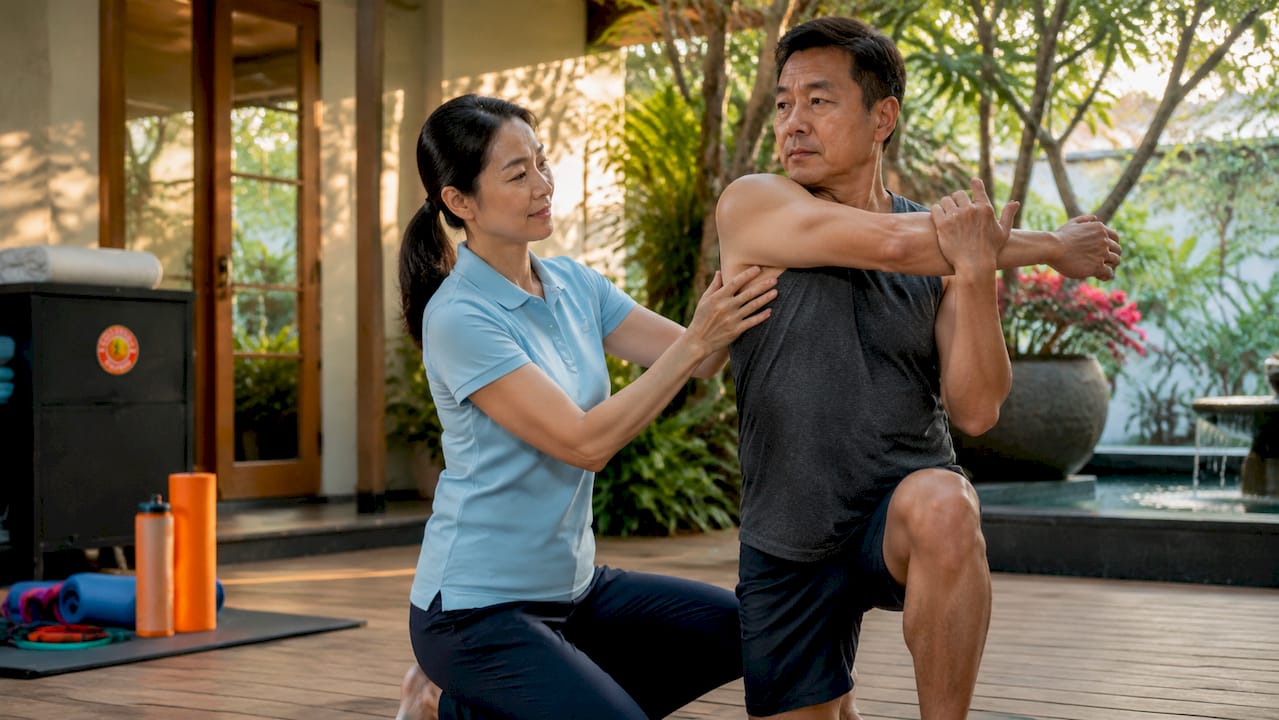
TL;DR:
Musculoskeletal pain treatment in 2026 emphasizes active management, education, and multidisciplinary care rather than passive rest. Pharmacological options like NSAIDs and muscle relaxants are complemented by therapies such as exercise and cognitive behavioral therapy to address pain holistically. Interdisciplinary multimodal pain treatment is reserved for chronic cases unresponsive to earlier interventions, offering lasting improvement.
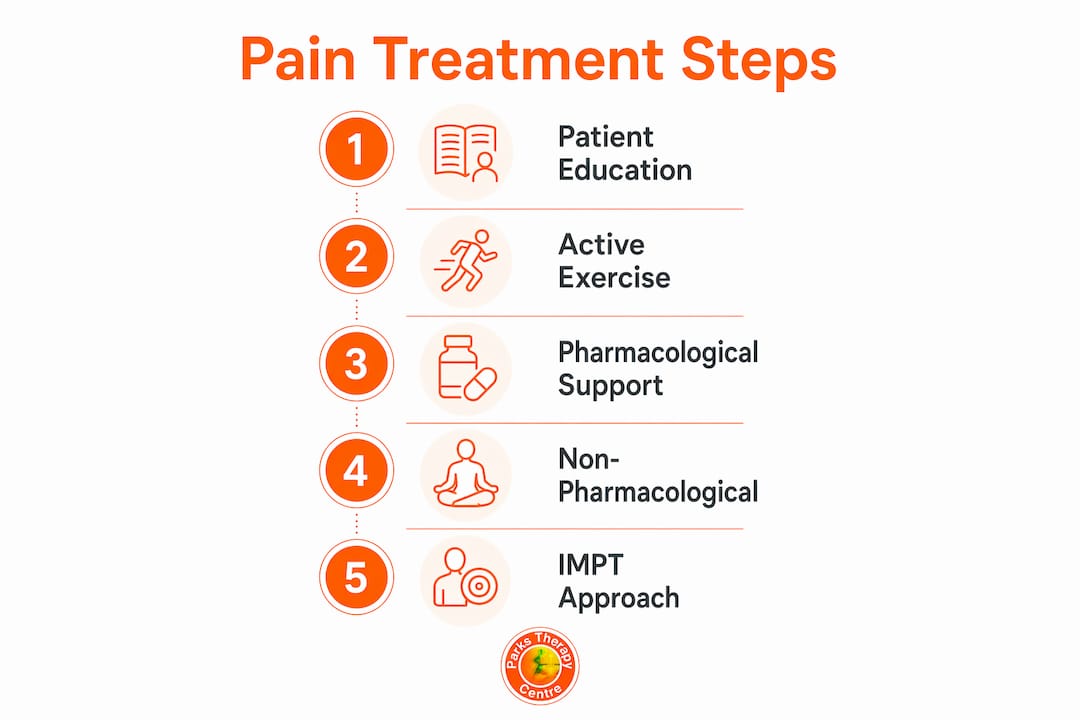
Musculoskeletal pain treatment is defined as a structured, evidence-based approach combining patient education, active movement, pharmacological therapy, and multidisciplinary care to reduce pain and restore physical function. What is musculoskeletal pain treatment 2026 if not a significant shift away from passive rest toward active, integrated management? The clinical term for the most intensive form is Interdisciplinary Multimodal Pain Treatment (IMPT), and it sits at the top of a stepped-care model that guides clinicians from simple interventions through to complex, team-based programmes. Treatments now span NSAIDs such as Aceclofenac, muscle relaxants such as Tolperisone, physiotherapy, cognitive behavioural therapy (CBT), and instrumental physical modalities. Understanding musculoskeletal injuries is the foundation before any treatment plan begins.
What is musculoskeletal pain treatment in 2026?
Musculoskeletal pain treatment covers any condition affecting muscles, bones, joints, tendons, or ligaments. The goal is not simply pain reduction. The goal is restored function, improved quality of life, and prevention of recurrence. Current clinical guidelines place active participation at the centre of every treatment plan, regardless of whether the condition is acute or chronic.
The stepped-care model organises treatment by intensity. Patients begin with education and self-management, progress to supervised physiotherapy and pharmacotherapy, and move to IMPT only when earlier stages have not produced sufficient improvement. This structure avoids over-treating straightforward cases while ensuring complex chronic pain receives the specialist input it needs. Industry standards in injury management now reflect this tiered thinking across NHS and private settings alike.
Evidence strongly supports movement over prolonged rest for acute musculoskeletal pain. Staying physically active and avoiding prolonged sitting produces better long-term outcomes than passive treatments alone. That finding has reshaped how clinicians advise patients from the very first appointment.
What are the main pharmacological treatments for musculoskeletal pain?
Drug therapy remains a core component of acute musculoskeletal pain management, particularly when pain is severe enough to limit movement. The most widely used agents are non-steroidal anti-inflammatory drugs (NSAIDs) and muscle relaxants.
Aceclofenac and Tolperisone are highlighted in 2026 clinical assessments for their efficacy and favourable safety profiles. Aceclofenac is an NSAID that reduces inflammation and pain at the site of injury. Tolperisone is a centrally acting muscle relaxant that reduces muscle spasm without the sedation associated with older agents in the same class. Together, they address both the inflammatory and muscular components of acute pain.
Key considerations when using pharmacological therapy:
NSAIDs are most effective for acute inflammatory pain and should be used at the lowest effective dose for the shortest necessary period.
Muscle relaxants such as Tolperisone are appropriate when muscle spasm is a primary driver of pain and dysfunction.
Combination therapy pairing an NSAID with a muscle relaxant shows additive benefit in clinical trials for neck and back pain.
Chronic pain requires a different pharmacological strategy. Long-term NSAID use carries gastrointestinal and cardiovascular risks, so clinicians reassess medication plans regularly.
Pharmacotherapy alone is never sufficient for chronic musculoskeletal conditions. Drugs manage symptoms while other therapies address the underlying drivers.
Pro Tip: Never adjust or combine musculoskeletal medications without professional guidance. A physiotherapist or GP can help you pair drug therapy with the right physical interventions so that each approach reinforces the other.
How do non-pharmacological therapies contribute to musculoskeletal pain management?
Non-pharmacological therapies form the backbone of long-term musculoskeletal pain management. They address the physical, psychological, and social dimensions of pain that medication alone cannot reach.
Physical therapy and exercise
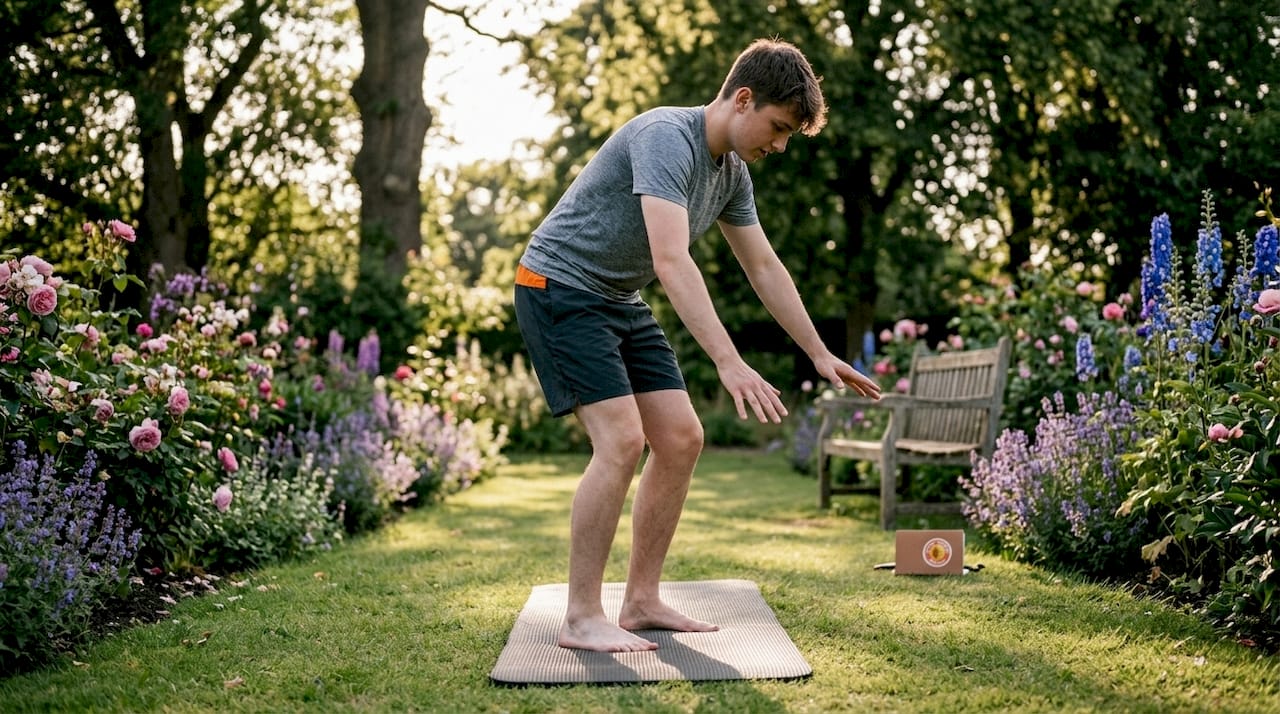
Supervised exercise is the most evidence-supported non-drug intervention for musculoskeletal conditions. Physiotherapists prescribe programmes targeting strength, flexibility, and movement control specific to the affected area. Posture training and ergonomic advice reduce the mechanical load that drives many chronic conditions, particularly in the neck, lower back, and shoulders. Pain management strategies that combine exercise with education consistently outperform exercise alone.
Psychological and mind-body approaches
CBT is the most studied psychological intervention for chronic musculoskeletal pain. It targets unhelpful thought patterns, including catastrophising, that amplify the experience of pain and reduce willingness to move. Mindfulness-based stress reduction (MBSR) has a growing evidence base for reducing pain-related distress. Integrated behavioural health interventions that combine physical rehabilitation with psychological support significantly reduce both pain and disability. Traditional biomedical models frequently overlook psychological and social pain drivers, which is why this integration matters.
Instrumental physical modalities
The Italian Society of Physical and Rehabilitation Medicine (SIMFER) issued conditional recommendations supporting TENS, low-level laser therapy, and electromagnetic field therapy as safe adjunct treatments for chronic primary pain. Side effects are mild and transient. These modalities work best as additions to an active rehabilitation programme rather than standalone treatments.
Pro Tip: If you are offered a passive treatment such as ultrasound or heat therapy as your only intervention, ask your clinician how it fits into your active rehabilitation plan. Passive modalities support recovery but do not replace movement.
When is interdisciplinary multimodal pain treatment (IMPT) recommended?
IMPT is the most intensive level of musculoskeletal pain care. It is reserved for patients with chronic pain who have not responded adequately to earlier, lower-intensity treatments. The rationale is straightforward: chronic pain that persists despite standard physiotherapy and pharmacotherapy has usually developed biological, psychological, and social dimensions that no single discipline can address alone.
IMPT provides significant long-term improvements for chronic musculoskeletal pain, with studies showing consistent benefit at 12-month follow-up and beyond. That durability distinguishes IMPT from shorter interventions that produce initial gains but fail to sustain them.
IMPT component | Role in treatment |
Physiotherapy | Restores movement, strength, and physical confidence |
Psychology | Addresses catastrophising, fear-avoidance, and mood |
Patient education | Corrects misconceptions about pain and activity |
Occupational therapy | Supports return to work and daily activities |
Medical oversight | Manages pharmacotherapy and monitors progress |
IMPT programmes typically run intensively over several weeks, with coordinated input from all disciplines. Patients suitable for IMPT are those with significant functional limitation, high pain-related distress, or a history of repeated treatment failure. Multidisciplinary therapy approaches that mirror the IMPT model are available through specialist centres and some NHS pain services.
How to tailor musculoskeletal pain treatment to individual needs
Personalised treatment starts with accurate diagnosis. Physical examination and imaging, including X-rays or MRI where indicated, identify the specific structures involved and rule out serious pathology. Without this foundation, treatment plans are guesswork dressed as care.
Shared decision-making is the next step. Patients who understand the rationale behind their treatment, including the risks and benefits of each option, are more likely to adhere and more likely to report satisfaction. Clinicians who present options and invite questions produce better outcomes than those who simply prescribe.
Get an accurate diagnosis. Request a physical examination and ask whether imaging is appropriate for your condition.
Understand your options. Ask your clinician to explain pharmacological and non-pharmacological choices, including what each is designed to achieve.
Choose your exercise intensity. Self-selected exercise intensity improves adherence and confidence by respecting individual physical tolerance.
Stay active despite discomfort. Patient education that reassures the safety of activity and counters pain catastrophising is as important as the exercises themselves.
Monitor progress, not pain spikes. Clinicians advise patients to check whether pain plateaus rather than spikes during exercise, which reduces anxiety and keeps rehabilitation moving forward.
Pain catastrophising is one of the strongest predictors of poor treatment outcomes. Patients who believe movement will cause damage avoid activity, which weakens muscles, reduces joint mobility, and entrenches the pain cycle. Addressing this belief directly, through education and graded exposure to movement, is a clinical priority in 2026.
Pro Tip: During exercise sessions, shift your focus from “how much does this hurt?” to “is this pain staying steady or getting worse?” A plateau in discomfort is a green light to continue. A spike that does not settle is a signal to ease off and speak to your clinician.
Key takeaways
Effective musculoskeletal pain treatment in 2026 combines accurate diagnosis, active movement, pharmacological support, and psychological care within a stepped-care model that escalates to IMPT for chronic, complex cases.
Point | Details |
Stepped-care model | Treatment escalates from self-management to IMPT based on response, avoiding over-treatment. |
Pharmacological therapy | Aceclofenac and Tolperisone show strong efficacy and safety for acute musculoskeletal pain in 2026 trials. |
Non-pharmacological care | Exercise, CBT, and physical modalities like TENS address pain dimensions that medication cannot reach. |
IMPT for chronic pain | Interdisciplinary Multimodal Pain Treatment produces consistent improvements at 12-month follow-up and beyond. |
Patient participation | Self-selected exercise intensity and education about activity safety are critical for sustained recovery. |
What I have learned about musculoskeletal pain treatment after years in practice
The single biggest shift I have observed is the move away from treating pain as purely a physical signal. For years, the default response to musculoskeletal pain was rest, medication, and waiting. Patients who did not improve were often told their pain was “unexplained,” which helped no one.
What actually works is the combination. Pharmacological relief creates a window of opportunity for movement. Movement rebuilds the physical capacity that pain has eroded. Education removes the fear that keeps patients from moving in the first place. And psychological support addresses the catastrophising that turns a manageable condition into a life-limiting one.
The patients I see make the fastest progress are those who understand why they are doing each part of their programme. They are not passive recipients of treatment. They are active participants who know that a plateau in discomfort during exercise is progress, not a warning sign. That shift in mindset is often more powerful than any single intervention.
My honest view is that the stepped-care model, when applied properly, is the most rational framework available. The challenge is not the evidence. The challenge is getting patients to trust it early enough to avoid years of unnecessary suffering. Musculoskeletal therapy that combines all these elements is available, and patients deserve to know it exists.
— Ivan
Parkstherapycentre: evidence-based care for musculoskeletal pain
Parkstherapycentre has been delivering multidisciplinary musculoskeletal care across Bedfordshire and Buckinghamshire since 1986. The team includes physiotherapists, sports injury specialists, acupuncturists, and podiatrists who work together to build treatment plans grounded in current clinical evidence.
Whether you are managing acute back pain, a sports injury, or a long-standing chronic condition, Parkstherapycentre offers physiotherapy and rehabilitation tailored to your specific diagnosis and goals. The centre accepts insurance cover and offers online booking across all locations. If you are ready to move from passive waiting to active recovery, Parkstherapycentre is the right place to start.
FAQ
What is musculoskeletal pain treatment?
Musculoskeletal pain treatment is a structured approach combining patient education, active exercise, pharmacological therapy such as NSAIDs and muscle relaxants, and multidisciplinary care to reduce pain and restore function.
How do NSAIDs help with musculoskeletal pain?
NSAIDs such as Aceclofenac reduce inflammation and pain at the injury site. They are most effective for acute conditions and should be used at the lowest effective dose for the shortest necessary period.
When is IMPT recommended for chronic musculoskeletal pain?
IMPT is recommended when chronic musculoskeletal pain has not responded to standard physiotherapy and pharmacotherapy. It combines physical, psychological, and educational input and shows consistent improvements at 12-month follow-up.
Is rest or movement better for musculoskeletal pain?
Movement is better. Evidence strongly supports staying physically active and avoiding prolonged rest, as regular movement produces better long-term outcomes than passive treatment alone.
How does patient education improve musculoskeletal pain outcomes?
Education that reassures patients about the safety of activity and addresses pain catastrophising is as important as physical exercises. Patients who understand their condition and treatment rationale adhere better and recover faster.
Recommended