
Step-by-step pain management workflow: your guide
TL;DR:
A structured pain management workflow combines assessment, multimodal treatment, and ongoing monitoring to improve function and reduce pain. Patients actively participate by tracking symptoms, collaborating with a care team, and adjusting treatments based on regular evaluations. This approach consistently outperforms single-method therapies in managing chronic pain and injury recovery.
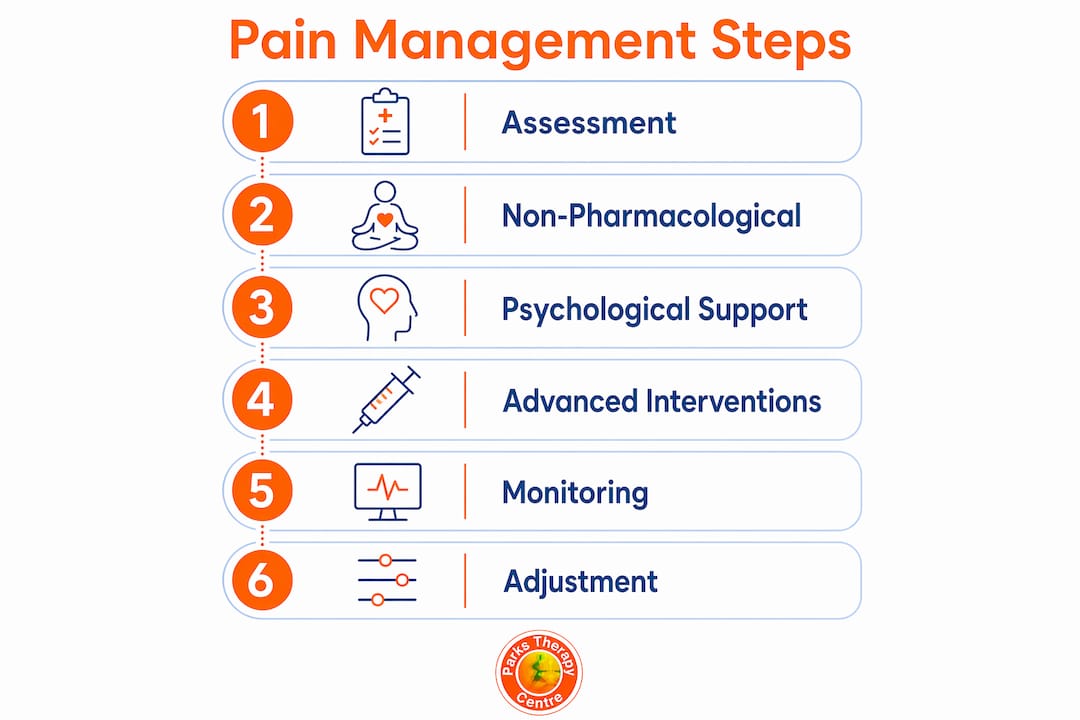
A step-by-step pain management workflow is a structured clinical process that combines systematic assessment, multimodal treatment, and ongoing monitoring to reduce pain and restore function. In clinical practice, this approach is known as a multimodal pain management plan, and it is the standard of care for both chronic pain and injury recovery. Following a clear pain management process means you are never guessing at what to try next. You work through defined stages, measure what is working, and adjust based on real evidence. This guide covers every stage of that process, from the first assessment through to long-term self-management.
What are the essential components of a pain management workflow?
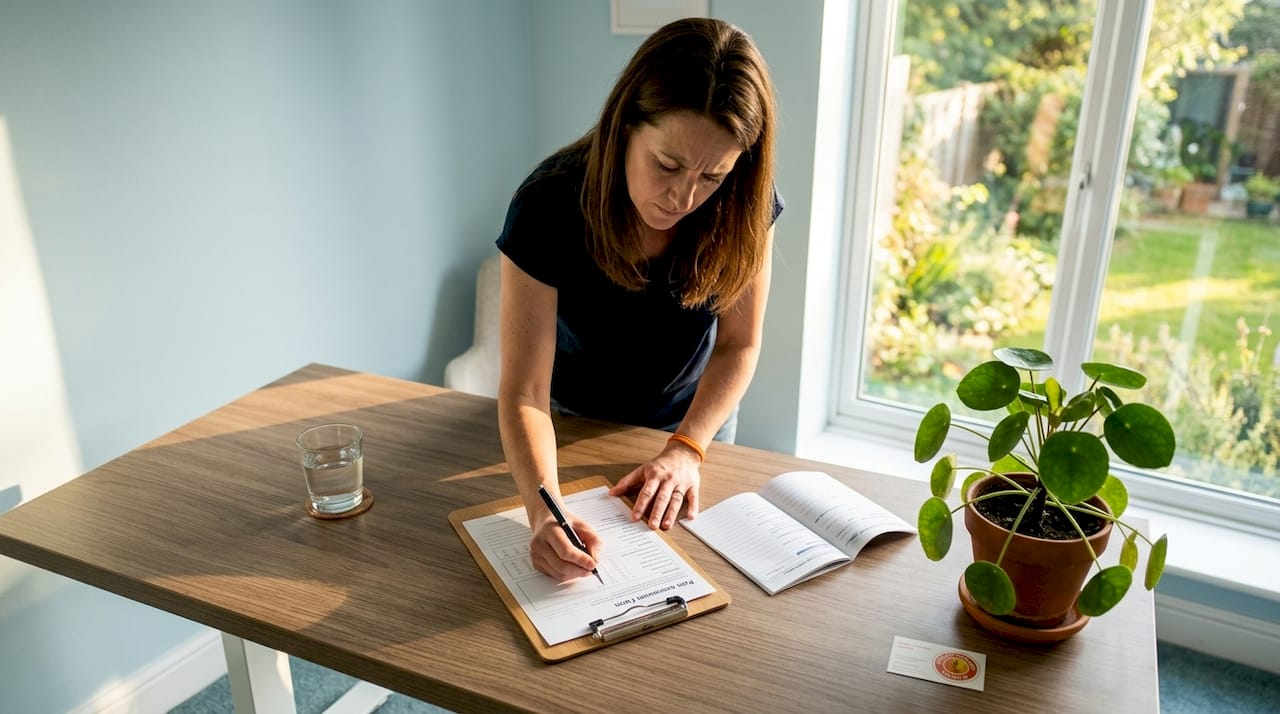
Before any treatment begins, you need a clear picture of your pain. Initial consultations last 30 to 45 minutes and focus on your history, symptoms, and how pain affects your daily function. That time is not administrative. It is diagnostic, and the quality of information gathered here shapes every decision that follows.
Building your baseline with a pain diary
Keeping a pain diary for at least two weeks before your first appointment supplies critical baseline data to identify pain patterns and triggers. This matters because pain is rarely constant. It fluctuates with activity, sleep, stress, and posture, and a diary captures those patterns in a way that a single consultation cannot.
Your diary should record:
Pain intensity on a 0 to 10 scale at different times of day
Activities or positions that worsen or relieve symptoms
Sleep quality and duration
Mood and energy levels
Any medications taken and their effect
The PQRST assessment method
Clinicians use the PQRST method to structure pain assessment. PQRST stands for Provocation, Quality, Region, Severity, and Timing. It maps exactly where your pain is, what it feels like, what triggers it, how severe it is, and how long it lasts. This framework prevents important details from being missed and gives your care team a consistent reference point for reassessment.
Pro Tip: Bring your completed pain diary and a written list of all current medications to your first appointment. Clinicians report this cuts assessment time significantly and leads to more precise initial treatment decisions.
Assembling the right care team is the final prerequisite. Effective chronic pain treatment typically involves a physician or GP, a physiotherapist, and in many cases a psychologist or counsellor. Each specialist addresses a different dimension of pain, and their combined input produces a plan that no single practitioner could design alone.
What are the step-by-step interventions in the pain management process?
A structured, stepwise pain relief approach moves through treatments in a logical sequence rather than applying everything at once. This matters because it allows you to identify which interventions are actually working.
Step 1: non-pharmacological and physical therapies first
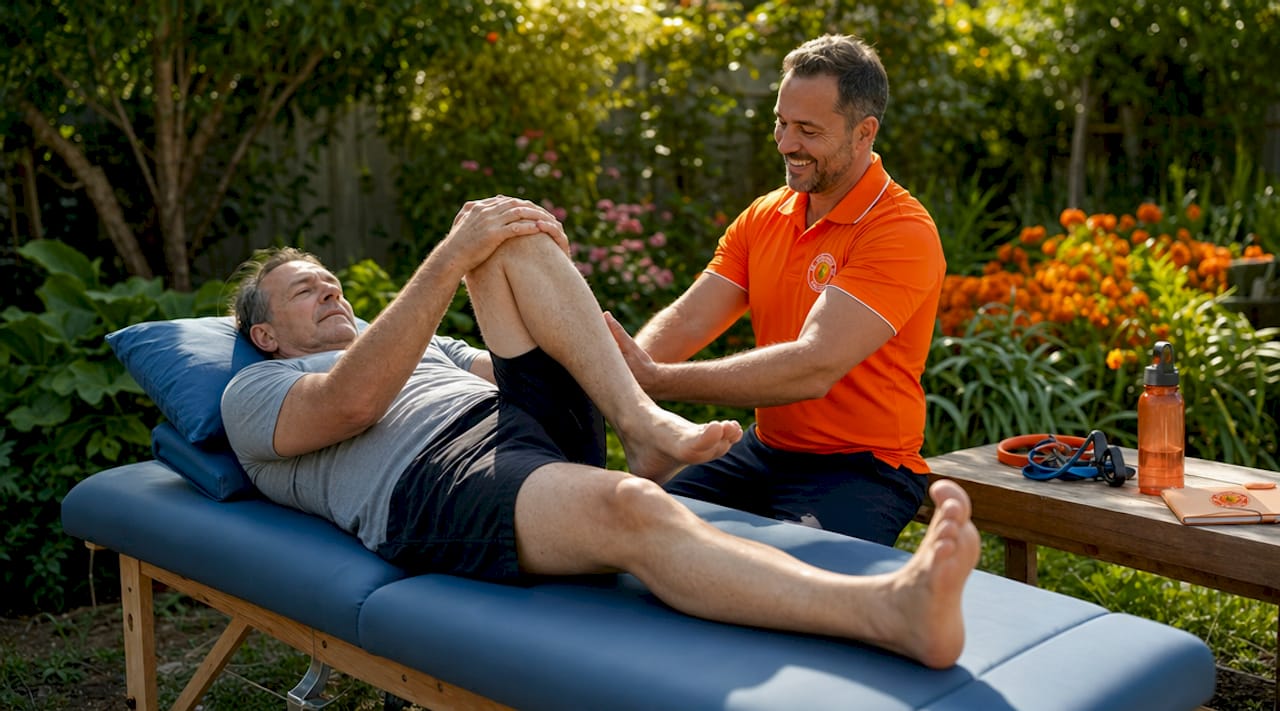
The first stage of any chronic pain treatment plan prioritises non-opioid and physical approaches. Physiotherapy uses movement, manual therapy, and exercise to address the physical sources of pain directly. Heat and cold therapy are low-risk, evidence-supported tools you can use at home between appointments. Water immersion therapy at 37 to 40°C, three times weekly for 10 minutes per session over 10 weeks, produces significant pain score reductions for knee osteoarthritis and chronic musculoskeletal pain. For home use, a hot water bottle applied to the affected area for 15 to 20 minutes provides accessible heat therapy between clinic sessions.
Step 2: introducing multimodal and psychological support
Multimodal pain management combining non-drug therapies, movement, and psychological support is the current standard of care for chronic pain. It addresses physical, emotional, and social impacts simultaneously, which is why it consistently outperforms single-treatment approaches. Cognitive behavioural therapy (CBT) aims to reduce disability and distress rather than directly eliminating pain, and it often leads to gradual pain reduction over time by changing how you respond to pain signals. You can read more about how CBT works in practice before deciding whether to include it in your plan.
Step 3: advanced interventions when needed
If first and second-stage treatments produce insufficient improvement after a defined trial period, your physician may discuss corticosteroid injections or nerve blocks.
Spinal cord stimulation or other procedural interventions are considered only when conservative methods have been thoroughly trialled.
Each advanced step requires documented evidence that earlier treatments were given adequate time and produced measurable but insufficient results.
Pro Tip: Never skip directly to advanced procedures because earlier steps feel slow. Modular treatment approaches that evaluate each intervention against clear timelines avoid persisting with ineffective methods and prevent unnecessary escalation.
How to monitor progress and adjust your pain management plan
Monitoring is not optional. It is the mechanism that makes the entire workflow function. Without regular reassessment, you cannot distinguish between a treatment that is working slowly and one that is not working at all.
Reassessment timing and tools
For acute pain in hospital or clinical settings, reassessment after medication is required within 30 to 60 minutes, then every four hours during waking hours. For chronic pain management at home, reassessment every four to eight weeks is the standard interval. Each reassessment should use the same PQRST framework as the initial assessment to allow direct comparison.
What to track beyond pain scores
Functional improvement such as better sleep and daily activity performance is a more realistic success metric than pain score alone. This is a critical insight. Many people feel discouraged when their pain score does not drop quickly, but their ability to walk further, sleep longer, or return to work may already be improving significantly.
Track these outcomes at each review:
Outcome | What to measure |
Pain intensity | 0 to 10 scale at rest and during activity |
Physical function | Distance walked, tasks completed, range of motion |
Sleep quality | Hours slept, number of waking episodes |
Mood and anxiety | Self-rated scale or validated tool such as PHQ-9 |
Medication use | Frequency and dose of any pain relief taken |
When a treatment produces no measurable improvement across two consecutive review periods, the plan should be modified. Continuing an ineffective therapy delays progress and can reduce your confidence in the overall process.
What common mistakes occur in pain management and how to avoid them?
Even well-designed pain management plans fail when certain patterns take hold. Recognising these pitfalls early protects both your progress and your safety.
Over-reliance on medication. Using opioids or anti-inflammatories as the primary strategy without physical or psychological support creates dependency risk and does not address the underlying drivers of chronic pain.
Passive treatment only. Receiving treatment without actively participating in exercise, self-monitoring, or lifestyle changes produces slower and less durable results. Active participation in the pain management process consistently produces better outcomes than passive treatment alone.
Misreading imaging results. Scans frequently show structural changes such as disc bulges or arthritis that are present in pain-free individuals. A scan finding is not automatically the cause of your pain, and treating it in isolation often misses the real problem.
Ignoring psychological factors. Anxiety, depression, and catastrophising amplify pain signals and reduce treatment effectiveness. Addressing these through CBT or mindfulness is not secondary care. It is central to the plan.
Poor communication with your care team. Failing to report side effects, setbacks, or changes in symptoms means your plan cannot be adjusted in time. Bring written notes to every appointment.
“Pain management works best when the patient is an informed, active partner rather than a passive recipient of treatment. The most durable outcomes come from people who understand their pain and take ownership of their recovery.”
What lifestyle practices support your pain management plan?
Structured clinical treatment works best when supported by consistent daily habits. These are not optional extras. They are the foundation that makes clinical interventions more effective and longer-lasting.
Regular, guided physical activity is the single most evidence-supported lifestyle intervention for chronic pain. The key word is guided. Unstructured exercise can aggravate symptoms, while paced, progressive movement builds tolerance and reduces sensitisation. Your physiotherapist should design a home exercise programme that matches your current capacity and increases gradually. You can find practical guidance in the chronic pain management guides for daily living.
Additional practices that complement your structured plan include:
Nutrition and hydration. Anti-inflammatory diets rich in omega-3 fatty acids, vegetables, and whole grains support tissue repair and reduce systemic inflammation. Dehydration worsens muscle cramping and joint stiffness.
Sleep hygiene. Poor sleep amplifies pain sensitivity. Consistent sleep and wake times, a cool dark room, and avoiding screens for 60 minutes before bed improve sleep quality measurably.
Mindfulness and stress reduction. Mindfulness-based stress reduction (MBSR) reduces the emotional reactivity to pain signals without requiring you to ignore or suppress them. Even 10 minutes of guided breathing daily produces measurable changes in pain perception over weeks.
Ergonomic adjustments. Workstation setup, supportive footwear, and assistive devices reduce the mechanical load on painful areas during daily tasks.
Pacing. Alternating activity with rest prevents the boom-and-bust cycle where you overdo activity on good days and pay for it with flare-ups the following day.
Why structured pain management changed how I think about recovery
What I have seen consistently, working across physiotherapy and multidisciplinary care settings, is that the patients who recover best are not the ones with the mildest injuries. They are the ones who treat their pain management plan as a skill they are developing rather than a prescription they are following.
The conventional view is that pain management is something done to you. You see a specialist, you receive a treatment, and you wait for results. That model produces mediocre outcomes. The patients who genuinely improve are the ones who track their own data, ask specific questions at reviews, and push back when a treatment is not working. They are active partners, not passive recipients.
I also think the field underestimates how much psychological support matters in the early stages. Most people wait until they are significantly distressed before accepting a referral to CBT or a psychologist. By that point, pain-related anxiety and avoidance behaviours are already entrenched. Introducing psychological support at the same time as physical therapy, not after it fails, produces faster and more durable results. The pain management strategies that work long-term are always the ones that treat the whole person.
— Ivan
How Parkstherapycentre supports your pain management plan
Parkstherapycentre has delivered multidisciplinary pain care across Bedfordshire and Buckinghamshire since 1986, combining physiotherapy, acupuncture, podiatry, and sports injury treatment under one roof.
If you are ready to follow a structured, stepwise approach to managing your pain, Parkstherapycentre’s team of qualified specialists will assess your condition thoroughly and build a personalised plan around your goals. Initial consultations cover your full medical history, functional impact, and treatment priorities. From there, your plan is reviewed and adjusted at regular intervals to reflect your progress. Book your first appointment or explore the full range of services at Parkstherapycentre and take the first concrete step toward better function and less pain.
Key takeaways
A structured, multimodal pain management workflow that combines assessment, physical therapy, psychological support, and regular monitoring consistently outperforms single-treatment approaches for both chronic pain and injury recovery.
Point | Details |
Start with a pain diary | Record symptoms for at least two weeks before your first appointment to supply accurate baseline data. |
Use multimodal treatment | Combine physical therapy, non-opioid medication, and psychological support rather than relying on any single method. |
Monitor function, not just pain | Track sleep, activity, and daily tasks alongside pain scores to measure real-world improvement. |
Reassess on a fixed schedule | Review your plan every four to eight weeks and modify treatments that show no measurable progress. |
Stay an active participant | Patients who track their own data and communicate clearly with their care team achieve faster, more durable outcomes. |
FAQ
What is a pain management workflow?
A pain management workflow is a structured, step-by-step clinical process that moves through assessment, multimodal treatment, and regular monitoring to reduce pain and improve function. It is designed to be adapted over time based on your progress and feedback.
How long does a pain management plan take to work?
Timelines vary by condition and treatment combination, but most structured plans include formal reviews every four to eight weeks. Functional improvements such as better sleep and increased activity often appear before significant reductions in pain scores.
Is CBT really effective for physical pain?
CBT reduces pain-related disability and distress rather than directly eliminating pain, and it leads to gradual pain reduction over time by changing how you respond to pain signals. It is most effective when introduced alongside physical therapy, not as a last resort.
When should I escalate to injections or advanced procedures?
Advanced interventions are appropriate only after non-pharmacological therapies, physical treatment, and psychological support have been trialled for a sufficient period and documented as producing insufficient improvement. Your physician should make this decision based on objective reassessment data.
Can I manage chronic pain without opioids?
A multimodal approach without opioids combining movement, non-drug therapies, and psychological support is the current standard of care for chronic pain. Most people achieve meaningful improvement without requiring opioid medication when the full workflow is followed consistently.
Recommended