
Types of physiotherapy for pregnancy in 2026
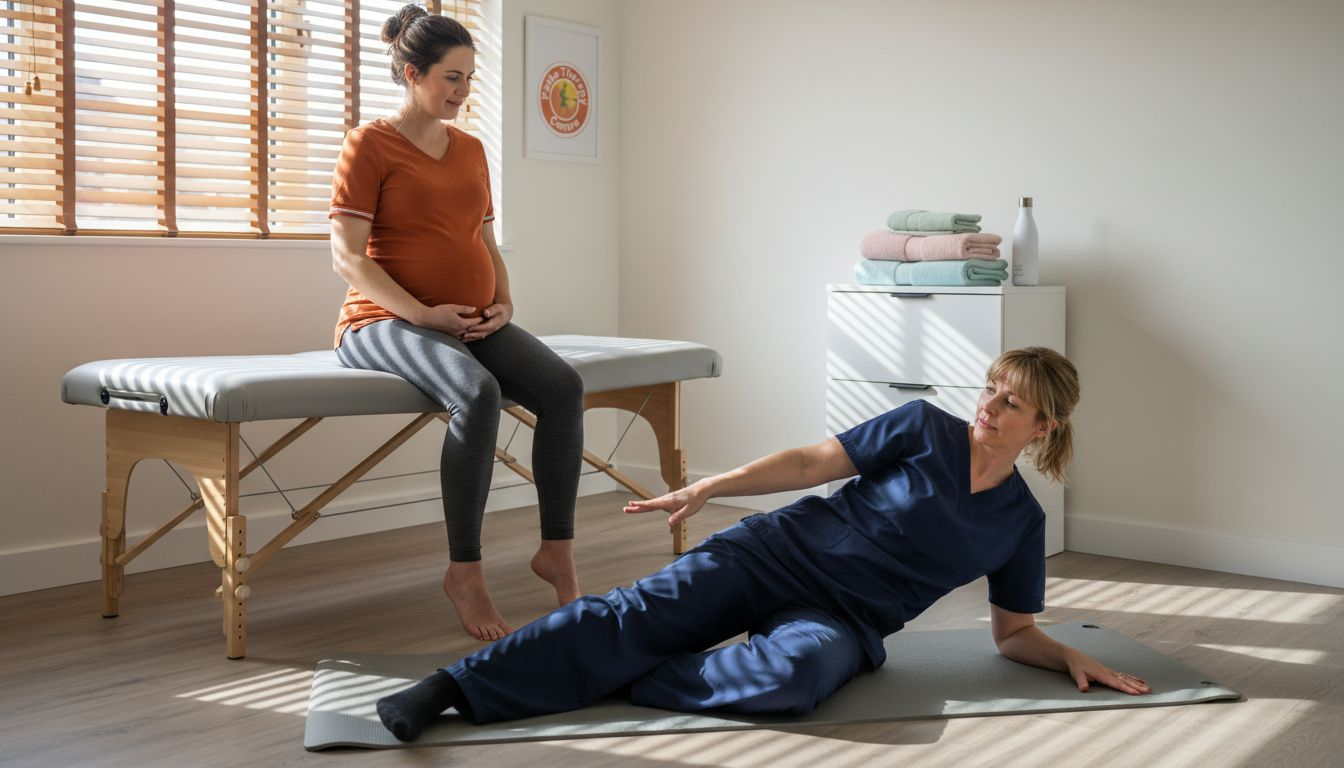
Choosing the right physiotherapy during pregnancy can feel overwhelming when you’re managing discomfort and preparing for childbirth. Multiple approaches exist, each targeting different symptoms and pregnancy stages. Understanding which type suits your specific needs ensures safe, effective treatment that supports both your comfort and preparation for birth. This guide explores key physiotherapy options backed by clinical evidence, helping you make informed decisions about your pregnancy care.
Table of Contents
Key takeaways
Point | Details |
Trigger point therapy | Reduces musculoskeletal pain through targeted pressure on muscle tension points |
Manual lymphatic drainage | Gentle massage technique that relieves swelling in limbs during pregnancy |
Pilates-based physiotherapy | Strengthens core muscles and supports pelvic stability throughout pregnancy |
Individual assessment | Tailored treatment ensures safety and effectiveness at each pregnancy stage |
Understanding criteria for choosing pregnancy physiotherapy
Selecting appropriate physiotherapy requires careful consideration of your individual circumstances and pregnancy stage. Physiotherapy should be tailored to your specific needs, making thorough assessment crucial before beginning treatment. Your current symptoms guide the choice: sharp pelvic pain responds differently than generalised lower back discomfort or ankle swelling.
Consider these key factors when evaluating physiotherapy options:
Current symptom type and severity
Pregnancy trimester and associated safety considerations
Treatment goals, whether pain relief, mobility improvement, or birth preparation
Previous injury history or musculoskeletal conditions
Lifestyle factors affecting your ability to attend sessions
Safety varies across trimesters. First trimester treatments focus on gentle techniques, whilst second and third trimesters allow more active interventions as your body adapts. Your physiotherapist will assess posture changes, weight distribution shifts, and hormone-related joint laxity that affect treatment planning. Goals differ widely: some women prioritise immediate pain relief, others focus on preventing sports injuries during active pregnancies, whilst many seek comprehensive birth preparation.
Pro Tip: Always consult a physiotherapist experienced in prenatal care who can create personalised treatment plans addressing your unique pregnancy journey. Preparing thoroughly for sessions maximises treatment effectiveness and ensures you receive optimal care throughout pregnancy.
Trigger point therapy for pregnancy pain relief
Trigger point therapy addresses muscular pain through focused pressure on specific tension points causing discomfort. Research confirms trigger point therapy alleviates musculoskeletal pain during pregnancy, making it particularly valuable for managing common pregnancy-related conditions. The technique involves applying sustained pressure to hyperirritable spots in skeletal muscle, releasing tension and improving blood flow to affected areas.
Pregnant women commonly experience trigger points in lower back muscles, gluteal regions, and around the pelvis as postural changes create compensatory muscle patterns. Your physiotherapist identifies these points through palpation and your feedback about pain referral patterns. Treatment sessions typically last 30 to 45 minutes, focusing on problematic areas whilst avoiding positions that compress major blood vessels.
Key benefits include:
Reduced muscle tension and associated pain
Improved range of motion in affected joints
Enhanced sleep quality through pain reduction
Better ability to maintain daily activities
Preparation of muscles for labour demands
Safety remains paramount when qualified pregnancy physiotherapists perform the treatment. They modify pressure intensity and patient positioning based on trimester and individual tolerance. Many women report significant pain score improvements after just three to four sessions, though response varies individually. The therapy combines effectively with stretching exercises and postural education for comprehensive pain management.
Pro Tip: Discuss combining trigger point therapy with gentle stretching exercises between sessions to maintain muscle flexibility and prolong treatment benefits. Understanding various physiotherapy techniques helps you appreciate how trigger point work fits within broader pregnancy care strategies.
Manual lymphatic drainage to reduce pregnancy swelling
Manual lymphatic drainage offers gentle relief from pregnancy-related swelling through specialised massage promoting lymph fluid movement. Studies show manual lymphatic drainage reduces swelling in pregnant women, particularly benefiting those experiencing lower limb oedema common in later pregnancy stages. The technique uses light, rhythmic strokes following lymphatic pathways to encourage fluid drainage from swollen tissues.
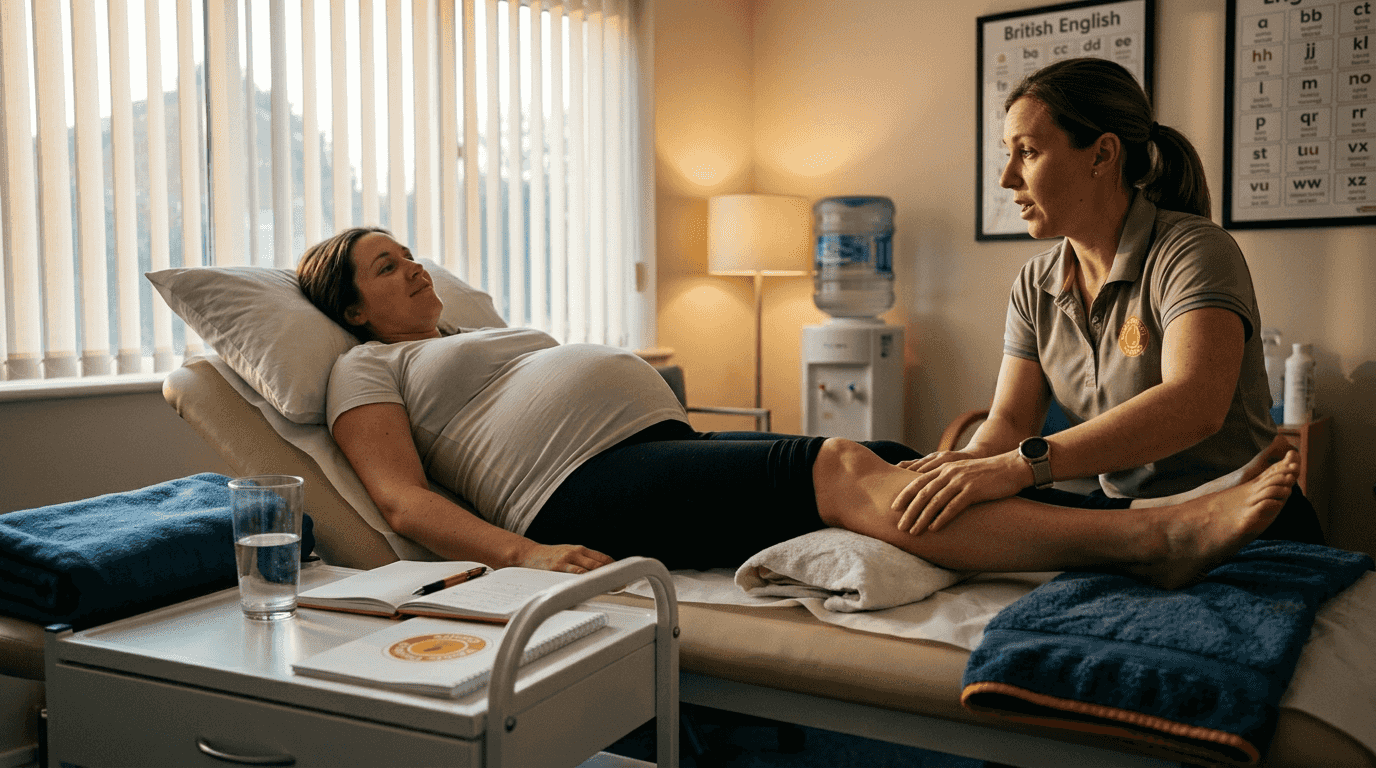
Pregnancy increases blood volume by approximately 50%, whilst growing uterus pressure on pelvic veins slows venous return from legs. This combination creates perfect conditions for fluid accumulation in ankles, feet, and lower legs. Manual lymphatic drainage addresses this through precise hand movements that stimulate lymphatic vessels without forcing fluid movement, distinguishing it from traditional massage techniques.
Treatment typically progresses through these stages:
Initial assessment of swelling extent and distribution
Gentle neck and trunk preparation to clear central lymphatic pathways
Systematic drainage of affected limbs using light, circular strokes
Application of compression garments if recommended
Home care instruction for maintaining results
Clinical data demonstrates measurable improvements:
Measurement | Before MLD | After 4 Weeks MLD | Improvement |
Ankle circumference | 24.8 cm | 23.2 cm | 6.5% reduction |
Comfort score | 4.2/10 | 7.8/10 | 86% increase |
Mobility rating | 5.1/10 | 8.3/10 | 63% increase |
Sessions last 45 to 60 minutes and feel deeply relaxing. Most women notice reduced heaviness and improved comfort immediately after treatment, with cumulative benefits developing over multiple sessions. The therapy integrates well within broader physiotherapy management plans, complementing exercise programmes and postural advice. Your physiotherapist may recommend weekly sessions during peak swelling periods, typically third trimester.
Exploring different physiotherapy techniques reveals how manual lymphatic drainage complements other pregnancy treatments for comprehensive symptom management.
Pilates-based physiotherapy for pelvic stability and posture
Pilates techniques adapted for pregnancy strengthen core muscles whilst supporting pelvic girdle stability throughout changing body demands. Evidence confirms educating women prevents and treats low back and pelvic girdle pain during and after pregnancy, making Pilates-based physiotherapy particularly valuable. The approach focuses on controlled movements, proper breathing, and progressive strengthening that accommodates growing belly and shifting centre of gravity.
Pregnancy hormones relax pelvic ligaments preparing for birth, but this increased laxity can destabilise joints causing pain. Pilates exercises target deep core muscles, including transversus abdominis and pelvic floor, providing muscular support compensating for ligament laxity. Your physiotherapist designs programmes progressing through pregnancy stages, modifying exercises as your body changes.
Core benefits include:
Enhanced pelvic stability reducing girdle pain
Improved posture counteracting pregnancy-related changes
Stronger pelvic floor muscles supporting bladder control
Better body awareness for labour positioning
Reduced lower back strain through proper alignment
Comparison with standard care demonstrates clear advantages:
Outcome | Pilates-Based Care | Standard Care | Difference |
Pain reduction | 68% improvement | 34% improvement | 2x more effective |
Pelvic stability | 72% improved | 41% improved | 76% better |
Posture scores | 8.1/10 | 5.9/10 | 37% higher |
Classes or individual sessions typically run 45 to 60 minutes, incorporating mat-based exercises and sometimes equipment like stability balls or resistance bands. Movements remain gentle yet challenging, emphasising quality over quantity. You learn proper breathing patterns coordinating with movement, skills transferable to labour. The education component teaches body mechanics for daily activities, reducing injury risk when lifting, bending, or carrying.
Understanding Pilates’ role in rehabilitation and its benefits for musculoskeletal recovery provides deeper insight into why this approach proves so effective during pregnancy.
Pro Tip: Practise Pilates breathing techniques daily, even outside formal sessions, to strengthen the mind-body connection valuable during labour and delivery.
Comparing physiotherapy types and deciding what suits you best
Understanding key differences between physiotherapy approaches helps you select the most appropriate treatment for your pregnancy needs. Research involving over 5000 women supports treatments for preventing and treating low-back and pelvic pain during pregnancy, providing robust evidence for decision making. Each therapy type offers distinct benefits suited to particular symptoms and pregnancy stages.
Therapy Type | Primary Benefits | Safety Considerations | Typical Frequency | Best For |
Trigger Point | Pain relief, muscle tension reduction | Safe all trimesters with modifications | Weekly initially | Localised muscle pain, headaches |
Manual Lymphatic Drainage | Swelling reduction, improved circulation | Safe all trimesters, avoid infections | Weekly in third trimester | Lower limb oedema, heaviness |
Pilates-Based | Core strength, pelvic stability, posture | Modifications needed each trimester | Twice weekly ideal | Pelvic pain, back pain, prevention |
Follow these steps to choose your physiotherapy approach:
Document your primary symptoms, including location, intensity, and triggers affecting daily life
Consult a pregnancy specialist physiotherapist for comprehensive assessment of your condition
Discuss your treatment goals, whether immediate relief, prevention, or birth preparation
Review recommended therapy types, asking about expected timeline and session commitment
Monitor your progress through regular reassessment, adjusting treatment as pregnancy progresses
Many women benefit from combining therapies. You might receive trigger point treatment for acute pain whilst maintaining Pilates sessions for ongoing strength and stability. Manual lymphatic drainage often complements other treatments when swelling develops. Your physiotherapist coordinates combined approaches ensuring treatments support rather than interfere with each other.
Recognise when to modify your approach. Worsening symptoms despite treatment, new pain patterns, or changing pregnancy circumstances may require treatment adjustments. Maintain open communication with your physiotherapist about what works and what doesn’t. They can refine techniques, change exercise progressions, or introduce alternative approaches based on your feedback and clinical assessment.
Following a step-by-step physiotherapy guide ensures you maximise treatment benefits throughout your pregnancy journey, adapting care as your needs evolve.
How Parks Therapy Centre supports your pregnancy physiotherapy needs
Navigating pregnancy discomfort requires expert guidance from physiotherapists who understand prenatal care complexities. Parks Therapy Centre offers specialist physiotherapy services tailored specifically for pregnant women across Bedfordshire and Buckinghamshire. Our experienced team conducts comprehensive assessments considering your trimester, symptoms, and individual circumstances to create effective treatment plans.
We combine trigger point therapy, manual lymphatic drainage, and Pilates-based techniques within personalised programmes addressing your unique needs. Book your physiotherapy session through our convenient online system, accessing care at locations throughout the region. Our services include biomechanical assessments identifying underlying factors contributing to pregnancy discomfort, plus diagnostic imaging referrals when additional investigation proves necessary. This integrated approach ensures you receive comprehensive support throughout pregnancy, preparing your body for childbirth whilst managing current symptoms effectively.
Frequently asked questions
What are the safest physiotherapy techniques during pregnancy?
Trigger point therapy and Pilates remain safe throughout pregnancy when performed by physiotherapists trained in prenatal care who modify techniques for each trimester. Manual lymphatic drainage uses gentle pressure making it particularly safe for reducing swelling without risk to mother or baby. Always verify your physiotherapist holds specific pregnancy care qualifications before beginning treatment.
Can physiotherapy help prepare me for childbirth?
Yes, physiotherapy significantly improves pelvic strength and flexibility essential for labour and delivery. Pilates-based programmes teach optimal posture and breathing techniques you’ll use during contractions and pushing. Personalised physiotherapy plans address your specific body mechanics, enhancing your physical readiness for the demands of childbirth.
How often should I attend physiotherapy sessions during pregnancy?
Session frequency varies from weekly to monthly depending on your condition severity and pregnancy stage. Acute pain may require weekly trigger point sessions initially, whilst maintenance Pilates might continue fortnightly throughout pregnancy. Your physiotherapist tailors scheduling to your needs and response to treatment. Preparing properly for physiotherapy sessions ensures you gain maximum benefit from each appointment.
When should I start physiotherapy during pregnancy?
Begin physiotherapy as soon as discomfort develops rather than waiting for symptoms to worsen. Early intervention prevents pain from becoming chronic and addresses postural changes before they cause significant problems. Some women start preventive Pilates programmes in first trimester, whilst others seek treatment when specific symptoms emerge in second or third trimester.
Will my insurance cover pregnancy physiotherapy?
Many private health insurance policies cover physiotherapy for pregnancy-related conditions, though coverage varies by provider and policy level. Parks Therapy Centre accepts most major insurance providers and can verify your coverage before beginning treatment. Self-pay options remain available for those without insurance or preferring direct payment for services.
Recommended