
What is sports injury prevention? A 2026 guide for athletes
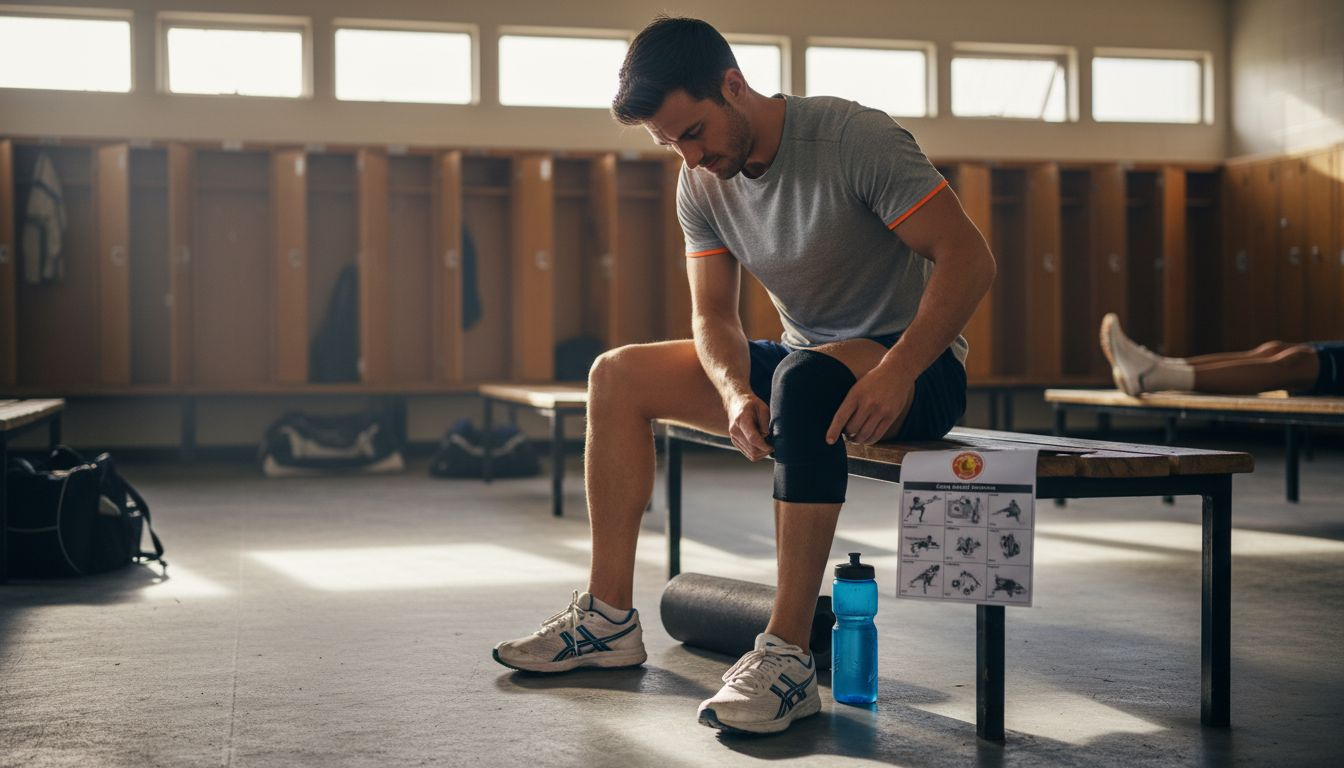
Many athletes diligently follow injury prevention programmes yet still end up sidelined. The problem isn’t commitment; it’s the one-size-fits-all approach most programmes rely on. Generic training plans neglect biomechanical uniqueness, leading to stagnant injury rates despite increased awareness. This guide reveals evidence-based strategies tailored to your sport and body, helping you prevent injuries effectively whilst maximising performance.
Table of Contents
Key takeaways
Point | Details |
Personalised approaches work best | Generic programmes fail because they ignore individual biomechanics and sport-specific demands. |
Exercise interventions reduce injuries significantly | Strength and neuromuscular training lower injury incidence by 20-30% when properly implemented. |
Biomechanical assessments predict risks | Individual movement analysis identifies vulnerabilities before injuries occur. |
ACL injuries require targeted prevention | Understanding sport-specific mechanisms enables precise protective strategies. |
Technology enhances prevention programmes | Risk-stratified interventions using AI achieve up to 73% injury reduction in weeks. |
Understanding the fundamentals of sports injury prevention
Sports injury prevention involves understanding biomechanics and identifying individual risk factors before problems arise. It’s not about generic warm-ups or stretching routines everyone follows blindly. Effective prevention requires analysing how your body moves during sport-specific activities, recognising weak points, and addressing them systematically.
Most athletes assume their warm-up routine provides adequate protection. Research shows this assumption causes problems. Skipping personalised assessments means missing critical vulnerabilities like muscle imbalances, movement asymmetries, or poor landing mechanics. These hidden risks accumulate over time, eventually causing injury during routine activities.
Biomechanics examines forces acting on your body during movement. Risk factors include previous injuries, training load, movement patterns, and anatomical variations. Understanding both elements allows you to design prevention strategies addressing your unique vulnerabilities rather than following generic advice.
Common errors athletes make include:
Copying professional athletes’ routines without considering individual differences
Focusing exclusively on flexibility whilst neglecting strength and stability
Implementing identical programmes across different sports with distinct demands
Rushing through warm-ups or skipping them entirely under time pressure
Proper warm-up and cool-down routines reduce injuries by approximately 30% when tailored appropriately. The key word is tailored. A footballer’s prevention needs differ vastly from a runner’s or swimmer’s requirements. Explore tailored injury prevention strategies to understand personalisation depth required for maximum protection.
“Prevention isn’t about doing more exercises; it’s about doing the right exercises for your body and sport.”
Exercise-based interventions and their role in reducing injuries
Exercise-based interventions show moderate-to-strong evidence for reducing injury incidence among track and field athletes. These aren’t random exercises; they’re carefully selected activities targeting specific injury mechanisms common in particular sports. Strength training, neuromuscular conditioning, and flexibility work form the prevention foundation.
Strength and conditioning programmes reduce lower extremity injuries by 20-30% when implemented consistently. This reduction occurs because stronger muscles absorb forces more effectively, protecting joints and connective tissues during high-intensity movements. Neuromuscular training improves coordination between muscle groups, enhancing movement quality and reducing dangerous compensations.
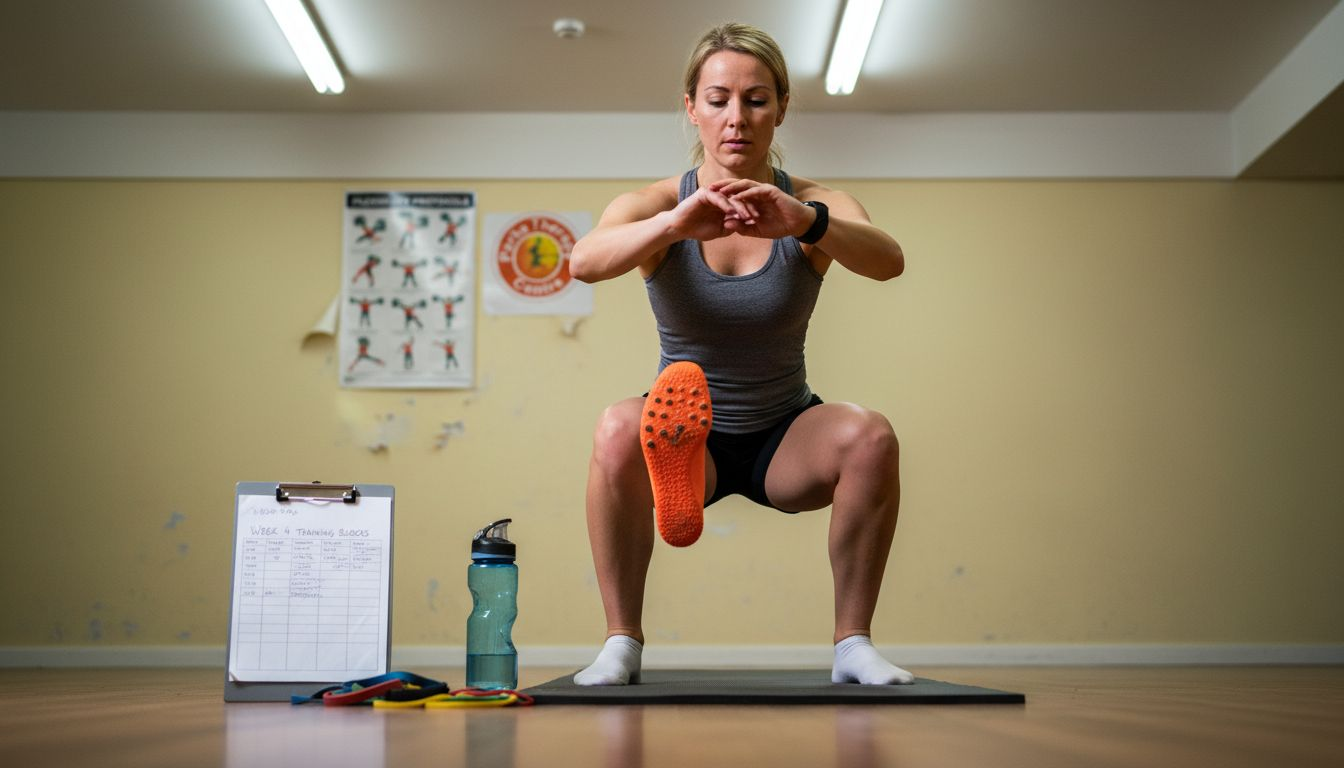
Core stability deserves special attention in prevention programmes. Your core transfers forces between upper and lower body, stabilises your spine during dynamic movements, and maintains proper posture under load. Weak core muscles force other structures to compensate, increasing injury risk throughout the kinetic chain. Muscle balance matters equally; opposing muscle groups must work harmoniously to protect joints and maintain optimal movement patterns.
Key intervention types proven effective:
Progressive strength training targeting sport-specific movement patterns
Plyometric exercises improving landing mechanics and deceleration control
Balance and proprioception drills enhancing joint position awareness
Flexibility work addressing mobility restrictions limiting optimal movement
Consistent conditioning reduces injury risk whilst simultaneously improving performance. Athletes who maintain year-round conditioning experience fewer injuries than those who train sporadically or only during competitive seasons. Conditioning creates physiological reserves protecting you when fatigue accumulates or unexpected movements occur during competition.
Intervention type | Injury reduction | Implementation frequency |
Strength training | 20-30% | 3-4 sessions weekly |
Neuromuscular drills | 35-40% | Daily pre-training |
Flexibility routines | 15-20% | Daily post-training |
Plyometric training | 25-30% | 2-3 sessions weekly |
Pro Tip: Integrate warm-ups, conditioning, and flexibility into a cohesive routine rather than treating them as separate activities. Start with dynamic mobility, progress through sport-specific drills, and finish with targeted conditioning addressing your individual weaknesses. Pilates therapy benefits provide excellent examples of integrated approaches combining strength, flexibility, and neuromuscular control.
Tailoring prevention: biomechanical uniqueness and ACL injury focus
Most prevention programmes implement one-size-fits-all models neglecting biomechanical uniqueness and sex differences between athletes. This oversight explains why injury rates remain stubbornly high despite widespread prevention awareness. Generic approaches miss individual vulnerabilities, failing to address the specific mechanisms causing injuries in particular sports or athletes.
ACL injuries represent major problems with specific injury mechanisms varying significantly by sport. Understanding these mechanisms enables targeted prevention addressing actual risks rather than theoretical ones. ACL injuries typically occur through four primary mechanisms: rapid change of direction movements, poor landing mechanics, direct contact with opponents or equipment, and gear-induced situations like ski bindings.
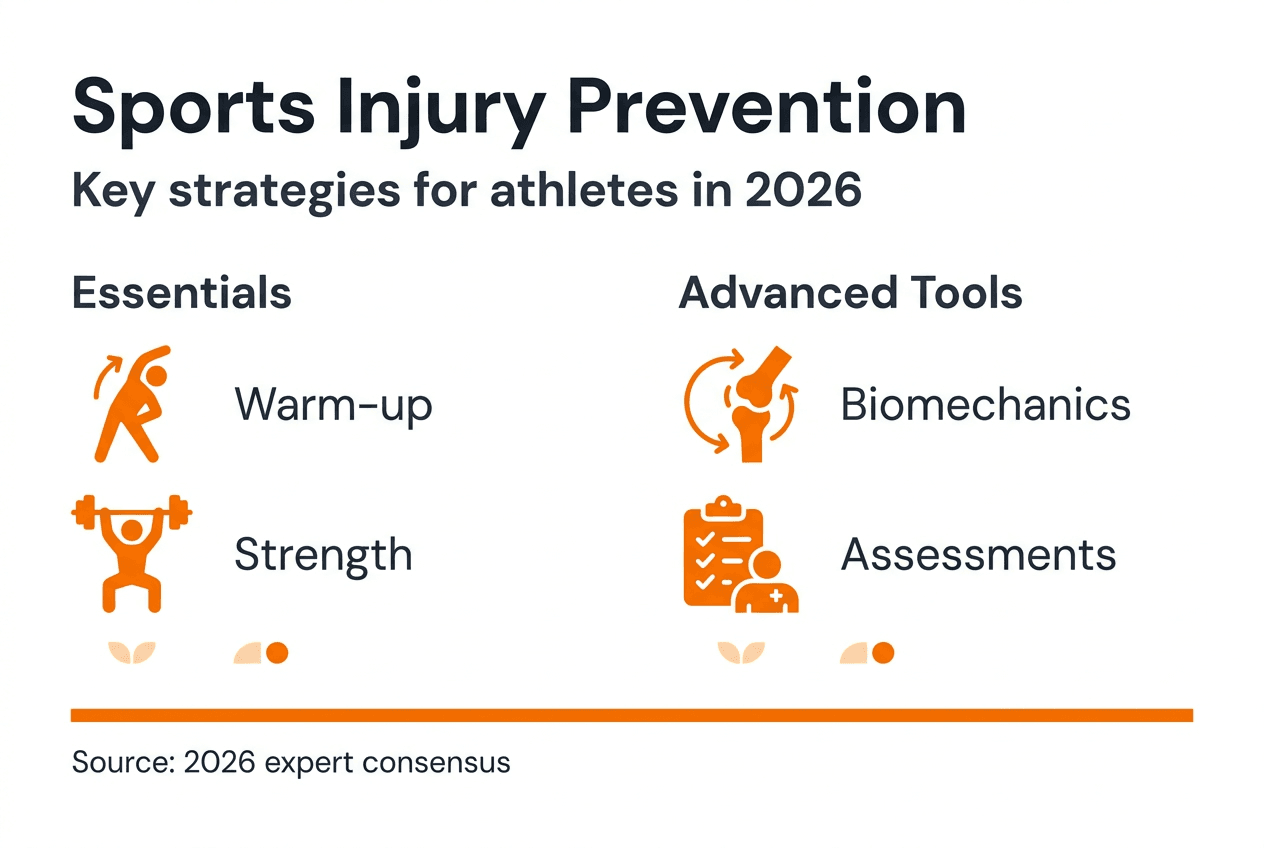
Injury patterns differ dramatically across sports categories. Team sports emphasise change of direction and contact injuries. Overhead sports like tennis or volleyball involve repetitive shoulder stress and landing impacts. Combat sports combine contact forces with extreme joint positions. Each category demands distinct prevention strategies addressing sport-specific demands.
Sport category | Primary ACL mechanism | Key prevention focus |
Team sports | Change of direction, contact | Deceleration control, strength |
Overhead sports | Landing impacts | Plyometric training, ankle stability |
Combat sports | Contact, extreme positions | Flexibility, proprioception |
Endurance sports | Overuse, fatigue-related | Load management, recovery |
Sex differences influence injury risk substantially. Female athletes experience ACL injuries at rates 2-8 times higher than males in comparable sports. Hormonal fluctuations, anatomical variations like Q-angle differences, and neuromuscular control patterns all contribute. Prevention programmes must account for these biological realities rather than applying identical approaches across all athletes.
Pro Tip: Assess your sport-specific risks by analysing injury patterns in your discipline and identifying your personal movement vulnerabilities. Work with qualified professionals providing physiotherapy for injury recovery and prevention to develop truly personalised programmes. Consider choosing physiotherapy techniques matching your specific needs rather than following generic online routines.
Protective equipment plays crucial roles in certain sports. Mouthguards provide protection benefits extending beyond dental safety, potentially reducing concussion risk through force absorption. However, equipment cannot replace proper movement mechanics and conditioning as prevention cornerstones.
Implementing risk-stratified and technology-driven injury prevention
Risk-stratified interventions achieved 73% reduction in injury probability within four weeks using machine learning models analysing strength asymmetry data. This remarkable result demonstrates technology’s transformative potential when applied to injury prevention. AI models process vast datasets identifying subtle patterns humans miss, predicting injury risk with unprecedented accuracy.
Machine learning algorithms analyse multiple variables simultaneously: movement asymmetries, training loads, recovery markers, previous injury history, and performance metrics. These models identify athletes at elevated risk, enabling targeted interventions before injuries occur. Professional clubs using these systems report substantial injury reductions and significant financial savings from reduced player absences.
Implementing risk-stratified programmes in your training:
Undergo comprehensive biomechanical assessment establishing baseline movement quality and identifying asymmetries
Track training loads, recovery metrics, and subjective wellness markers systematically
Analyse patterns revealing elevated risk periods like fatigue accumulation or insufficient recovery
Adjust training intensity, volume, or focus based on individual risk fluctuations
Reassess regularly ensuring interventions address evolving vulnerabilities as fitness improves
Integrate findings into periodised training plans balancing development with injury prevention
Biomechanical data reveals insights invisible to naked eye observation. Force plate analysis quantifies landing asymmetries. Motion capture systems identify subtle movement compensations. Isokinetic testing measures strength imbalances between limbs or muscle groups. This objective data guides precise interventions targeting actual problems rather than assumed weaknesses.
Benefits extend beyond injury reduction. Athletes using data-driven prevention report improved performance through optimised training, enhanced recovery through better load management, and increased confidence from understanding their bodies comprehensively. Sports clubs benefit financially; preventing injuries costs far less than treating them whilst maintaining squad availability.
“Technology hasn’t replaced the physiotherapist’s expertise; it’s amplified our ability to protect athletes through precise, individualised interventions previously impossible.”
Access to professional biomechanical assessments service provides athletes at all levels with technology previously reserved for elite professionals. These assessments identify vulnerabilities early, enabling proactive prevention rather than reactive treatment after injuries occur.
Parks Therapy Centre injury prevention services
Protecting your athletic longevity requires expertise combining biomechanical analysis, evidence-based interventions, and personalised programme design. Parks Therapy Centre specialises in sports injuries treatment serving athletes throughout Bedfordshire and Buckinghamshire since 1986.
Our team provides comprehensive biomechanical assessments identifying your unique injury risks before problems develop. We design tailored prevention programmes addressing your sport’s specific demands whilst accounting for individual movement patterns, strength profiles, and injury history. Whether you’re recovering from injury or seeking proactive protection, our multidisciplinary approach ensures optimal outcomes.
Book physiotherapy session online today to start your personalised injury prevention journey. Our convenient locations across Bedfordshire and Buckinghamshire make accessing expert care straightforward, whilst our insurance acceptance and flexible scheduling accommodate busy training schedules.
Frequently asked questions
What is sports injury prevention?
Sports injury prevention comprises systematic strategies reducing injury occurrence through biomechanical analysis, targeted conditioning, and risk management. It focuses on identifying vulnerabilities before injuries happen rather than simply treating problems after they arise. Effective prevention requires understanding sport-specific demands and individual athlete characteristics.
How can I tailor sports injury prevention to my sport and body?
Start with professional biomechanical assessments revealing your unique movement patterns and asymmetries. Consult specialists understanding your sport’s specific injury mechanisms. Design programmes targeting common injury patterns in your discipline whilst addressing your individual weaknesses identified through objective assessment.
What exercises reduce the risk of ACL injuries?
Strength training, neuromuscular drills, and proper landing technique practice significantly reduce ACL injury risk. Focus on hamstring strengthening, single-leg stability exercises, and deceleration control drills. Pilates therapy for injury prevention enhances core stability and muscle control crucial for joint protection.
When should I seek professional help for sports injury prevention?
Seek professional assessment when experiencing persistent pain, suffering recurring injuries, or noticing poor recovery between training sessions. Early intervention prevents minor issues escalating into serious injuries requiring extended rehabilitation. Professional guidance ensures prevention programmes address actual vulnerabilities rather than assumed weaknesses, maximising effectiveness whilst minimising wasted effort.
Why do generic injury prevention programmes fail?
Generic programmes ignore biomechanical differences between athletes, sex-specific risk factors, and sport-specific demands. They apply identical interventions across diverse populations with vastly different needs. Sports injury physiotherapy recognises individualisation as prevention’s cornerstone, designing programmes addressing your unique requirements rather than following one-size-fits-all templates.
Recommended