
Does ice help injuries? What science says about sports recovery
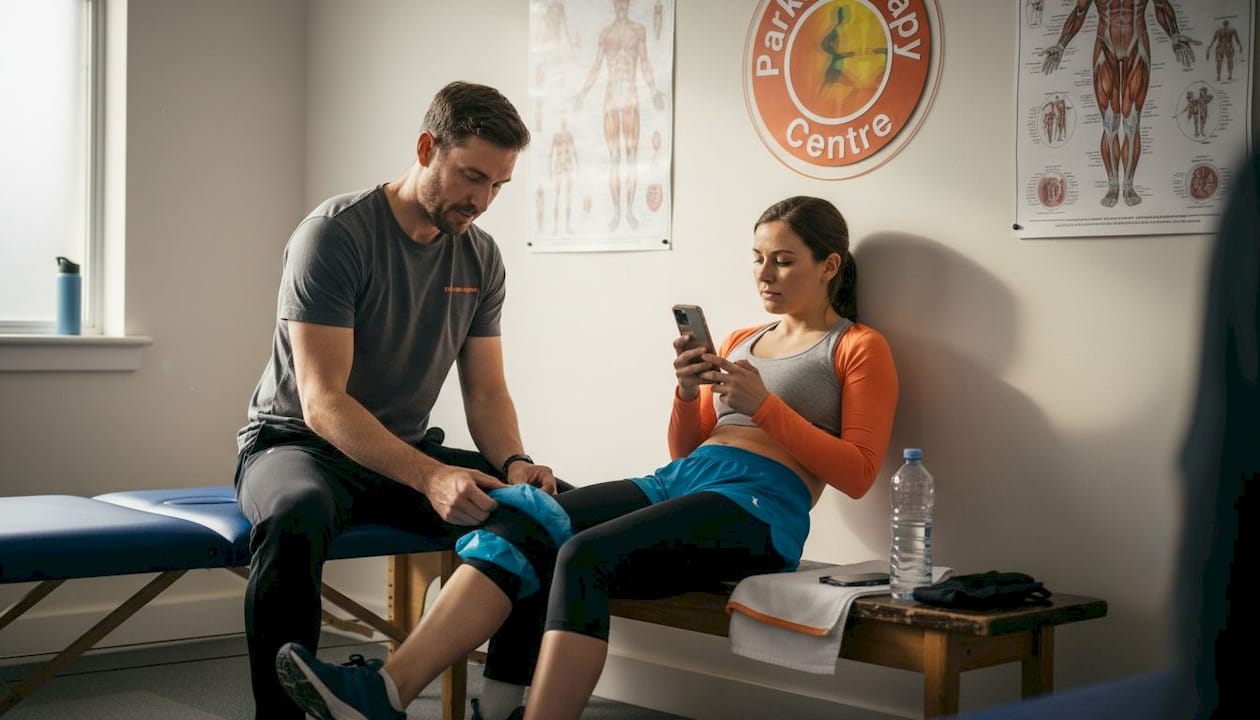
For decades, reaching for an ice pack after a sprained ankle or pulled muscle felt like second nature. It was the done thing, the advice passed down from coaches, parents, and first-aiders alike. But a growing body of research now challenges whether ice is as essential as we once believed. A 2025 meta-analysis of 28 randomised controlled trials found that while cryotherapy does reduce pain and swelling, the effects fall below what clinicians consider a meaningful threshold. So what does that mean for your recovery?
Table of Contents
Key Takeaways
Point | Details |
Ice offers short-term relief | Icing reduces pain and swelling immediately after injury but does not speed long-term healing. |
Modern guidelines favour movement | Contemporary protocols now emphasise early loading and exercise over routine icing and rest. |
Personalised recovery is key | Your best recovery results come from protocols tailored to your injury, not a one-size-fits-all approach. |
Consult experts for complex injuries | Seek professional assessment for severe, recurring, or unclear injuries rather than relying solely on home remedies. |
How does ice work for injuries?
Ice, or cryotherapy as it is known in sports therapy terminology, works primarily by cooling the skin and the nerve endings just beneath it. This triggers a cascade of physiological responses that can feel immediately soothing after an acute injury.
Here is what happens when you apply ice to an injured area:
Blood vessels constrict, reducing blood flow to the area and limiting initial swelling
Nerve conduction slows, which is why pain signals feel dulled within minutes
Local tissue metabolism drops, reducing the demand for oxygen in damaged cells
Skin temperature falls rapidly, but deeper muscle and joint tissue remains largely unaffected
That last point is critical. Ice acts as an analgesic by cooling the skin but does not meaningfully change muscle temperature. More importantly, it may actually delay healing by suppressing inflammation and the release of IGF-1, a growth factor essential for tissue repair.
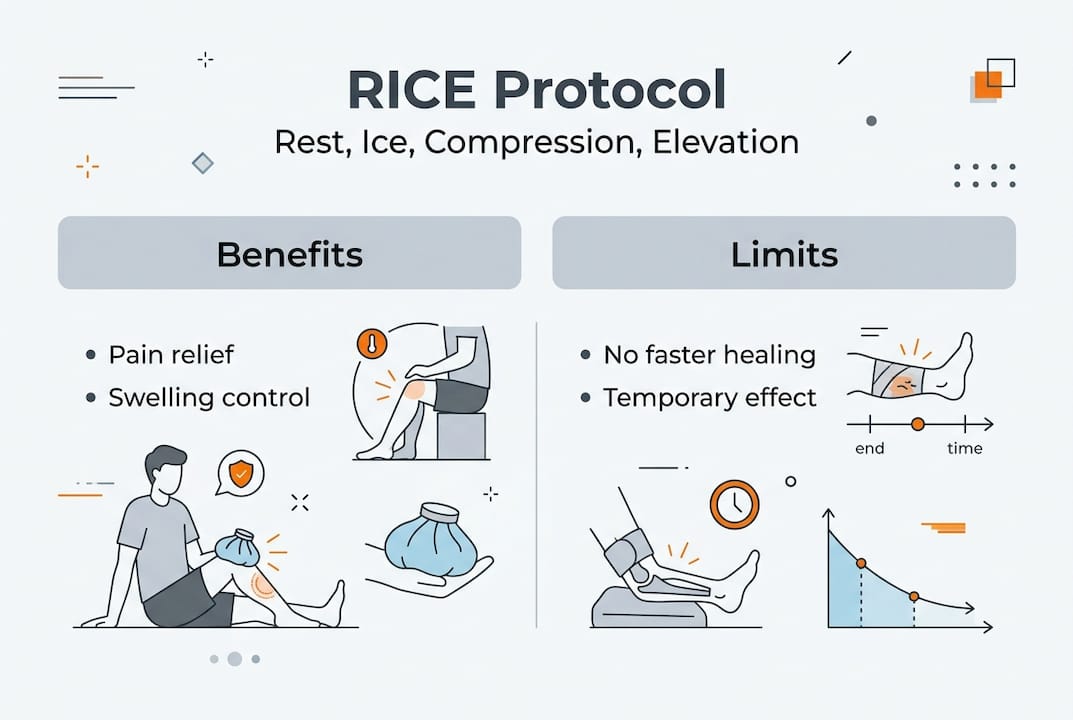
The classic RICE protocol, which stands for Rest, Ice, Compression, and Elevation, was introduced in 1978 and became the gold standard for acute injury management. It felt logical, it was easy to remember, and it gave injured athletes something concrete to do. The problem is that the science has since moved on considerably.
What does the research show about icing injuries?
Large-scale studies now give us a much clearer picture of what ice can and cannot do. A meta-analysis of 28 RCTs published in 2025 examined cryotherapy outcomes across pain, swelling, range of motion, and function.
The results were telling. Ice produced small reductions in pain intensity, with a mean difference of -0.77 immediately after application and -0.84 in the short term. Swelling reduced slightly, and range of motion improved modestly. But here is the catch: none of these effects reached the minimum clinically important difference, the threshold at which a change actually matters to a patient’s daily life and recovery.
Outcome | Effect size | Clinical significance |
Pain (immediate) | MD -0.77 | Below MCID |
Pain (short-term) | MD -0.84 | Below MCID |
Range of motion | SMD 0.37 to 0.61 | Small, low certainty |
Swelling (short-term) | SMD -0.35 | Small, low certainty |
Function/recovery | Not significant | Insufficient evidence |
As the evidence for ice and healing makes clear, ice may offer comfort in the immediate aftermath of injury, but there is insufficient evidence that it changes long-term healing outcomes. The certainty of evidence across most outcomes was rated as low, meaning results varied considerably between studies and populations.
For anyone managing sports injury patients or navigating their own recovery, this distinction matters enormously. Feeling less pain after icing is real. Healing faster because of it is not well supported.
When is ice actually helpful?
So does ice have any genuine role? Yes, but it is more limited than most people assume. There are specific scenarios where short-term icing makes practical sense.
Severe sprains with significant swelling where controlling early oedema (fluid accumulation) helps maintain some joint mobility and reduces discomfort enough to begin gentle movement
Post-surgical recovery where ice is often used under clinical supervision to manage acute pain and localised swelling in the days immediately following a procedure
Acute pain spikes during rehabilitation where a brief application can temporarily reduce discomfort enough to allow a patient to engage with their exercise programme
Ice helps acutely with pain and swelling control in sports and musculoskeletal injuries, but routine use for healing is increasingly questioned. The priority should be returning to optimal loading as early as safely possible, something that Pilates and recovery programmes can support effectively.
What ice will not do is speed up tissue repair, regenerate damaged fibres, or replace structured rehabilitation. Expecting it to do so leads to passive recovery habits that can actually slow you down.
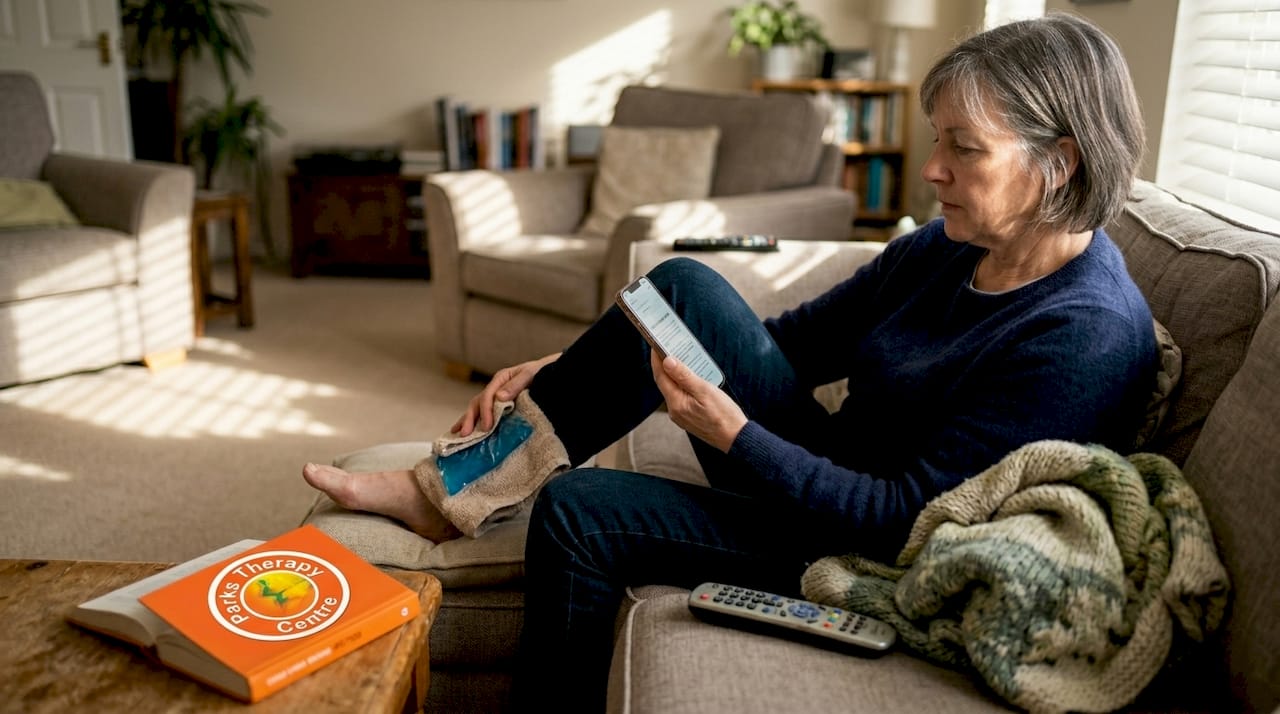
Pro Tip: Apply ice for no more than 5 to 15 minutes at a time, always with a damp cloth or thin barrier between the pack and your skin. Never apply ice directly to bare skin, and avoid icing while asleep.
The cold-water immersion evidence for post-exercise muscle soreness is similarly modest, suggesting comfort benefits rather than accelerated recovery.
Why has the advice on ice changed?
The shift in thinking did not happen overnight, but one moment stands out. In 2014, Dr Gabe Mirkin, the physician who coined the RICE acronym back in 1978, publicly reversed his position. He stated that ice and complete rest may actually delay healing rather than support it, a remarkable retraction from the person who made RICE a household term.
“Coaches have used my RICE guideline for decades, but now it appears that both ice and complete rest may delay healing, instead of helping.” Dr Gabe Mirkin, 2014
This opened the door to newer frameworks. The PEACE & LOVE protocol is now recommended over RICE for soft tissue injuries, placing early loading and movement at the centre of recovery rather than passive symptom control.
Protocol | Focus | Ice included? | Movement encouraged? |
RICE | Rest, symptom control | Yes, prominently | Minimal |
PEACE & LOVE | Tissue healing, function | Not emphasised | Yes, from early stage |
The modern understanding is that controlled inflammation is not the enemy. It is a necessary part of tissue repair. Suppressing it too aggressively with ice may interrupt the very process your body needs to rebuild. The early mobilisation guidelines now reflect this shift, encouraging graded movement rather than prolonged rest and icing.
Alternatives to ice and optimising your recovery
With the evidence pointing away from ice as a primary treatment, what should you actually focus on in the early days after injury? The answer is structured, progressive activity guided by how your body responds.
Active rehabilitation that introduces movement and load after one to three days promotes IGF-1 release and vascularisation, the processes that actually rebuild tissue. Ice, by contrast, is primarily analgesic and does not accelerate these mechanisms.
Here are the evidence-backed essentials for early recovery:
Graded movement: Start gently and increase load as pain allows, guided by a physiotherapist
Compression: A well-applied bandage reduces swelling without suppressing the healing response
Elevation: Keeping the injured limb raised reduces fluid accumulation in the early days
Short-term protection: Avoid activities that cause sharp pain, but do not rest completely
Nutrition and sleep: Often overlooked, both are critical for tissue repair and inflammation regulation
Knowing when to seek professional help is just as important as knowing what to do at home. Explore the range of physiotherapy techniques available to support your recovery, and if you are dealing with a knee problem specifically, the knee injury prevention guidance from our team is a useful starting point.
Pro Tip: If your pain is severe, you cannot bear weight, the joint looks deformed, or swelling is extreme and worsening after 48 hours, do not self-treat. These are signs that a physiotherapist or clinician needs to assess you promptly.
Self-treating minor injuries is reasonable, but the line between a manageable strain and something requiring clinical input is not always obvious. Getting it wrong in the early stages can extend your recovery significantly.
Get guidance for your sports injury recovery
Understanding the evidence around ice is genuinely useful, but knowing how to apply it to your specific injury is where professional support becomes invaluable. Every injury is different, and what works for a mild ankle sprain may not be appropriate for a muscle tear or a post-surgical knee.
At Parks Therapy Centre, our team of experienced physiotherapists and sports injury specialists can assess your injury accurately, recommend the right treatment approach, and guide you through a structured rehabilitation programme. We also offer diagnostic imaging referrals to ensure nothing is missed in the early stages of your recovery. Whether you are dealing with a fresh injury or a problem that has lingered longer than it should, we are here to help you recover with confidence and clarity.
Frequently asked questions
Should I always use ice immediately after an injury?
No. Ice can help with short-term pain and swelling control, but it is not required for every injury and does not reliably influence the overall healing process. Gentle movement and compression are often more beneficial.
How long should I apply ice to a muscular injury?
Apply ice for 5 to 15 minutes at a time with a cloth barrier between the pack and your skin. Prolonged icing does not enhance deep tissue healing and increases the risk of skin damage.
Is ice better than other treatments for speeding up recovery?
No. Early movement, progressive loading, and guided rehabilitation are far more effective for overall healing. The PEACE & LOVE protocol places early loading above ice and rest for soft tissue recovery.
Are there injuries where ice should not be used?
Yes. Avoid applying ice to areas with poor circulation, nerve damage, or reduced skin sensation, as the risk of frostbite or further tissue damage is significantly higher in these cases.
Recommended