
Importance of injury prevention in 2026 for athletes
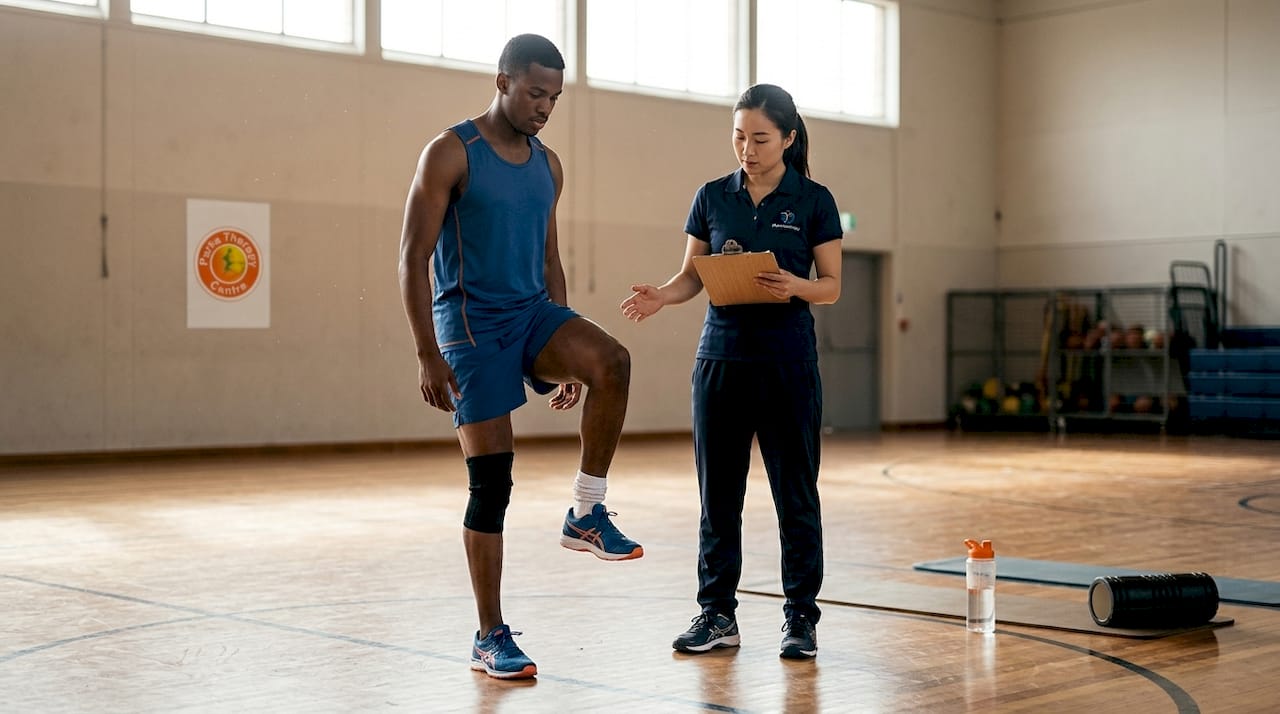
Many athletes believe pushing through intense training builds resilience, yet research reveals that multicomponent neuromuscular training dramatically cuts injury risk by up to 70%. This counterintuitive finding challenges conventional wisdom about training intensity and injury prevention. For athletes in Bedfordshire and Buckinghamshire, understanding evidence-based injury prevention strategies is essential for maintaining peak performance and avoiding career-threatening setbacks. This article explores proven methods backed by 2026 research that help you train smarter, reduce injury risk, and enhance recovery efficiency.
Table of Contents
Key takeaways
Point | Details |
Neuromuscular training reduces injuries | Multimodal programmes cut overall injury rates by 51 to 70 percent across various sports. |
Training load ratios predict injury risk | Monitoring acute to chronic workload ratios helps identify dangerous training spikes before injuries occur. |
Short frequent sessions work best | Sessions lasting 5 to 15 minutes, performed 4 to 5 times weekly for over 26 weeks, prevent knee injuries effectively. |
Strength screening prevents football injuries | Machine learning analysis of strength asymmetry reduces football injuries by 73 percent. |
FIFA 11+ warm-ups cut soccer injuries | This structured warm-up programme reduces soccer injuries by 30 to 40 percent when implemented consistently. |
Why is injury prevention vital for athletes?
Injury prevention forms the foundation of sustainable athletic performance and career longevity. Without proactive prevention strategies, athletes face increased downtime, prolonged recovery periods, and potential career-ending setbacks that derail years of training investment. Effective prevention improves training consistency, allowing your body to adapt progressively and build the resilience necessary for competitive demands.
Research demonstrates that multicomponent neuromuscular training dramatically cuts injury risk by 51 to 70 percent across various athletic populations. These programmes combine strength, balance, plyometric, and agility exercises to address multiple injury risk factors simultaneously. The dramatic reduction in injury rates translates directly to more training days, better skill development, and improved competitive performance.
The training-injury prevention paradox reveals an unexpected truth: high chronic workloads protect athletes when built gradually over time. Athletes who maintain consistently elevated training volumes develop physiological adaptations that shield them from injury during intense periods. This contradicts the common belief that heavy training always increases injury risk.
Key benefits of prioritising injury prevention include:
Reduced recovery time when minor issues do occur, allowing faster return to training
Enhanced neuromuscular control that improves movement quality and athletic performance
Greater training consistency leading to superior skill acquisition and fitness gains
Lower healthcare costs and fewer disruptions to competitive schedules
Improved career longevity through cumulative protection against overuse injuries
Neglecting prevention creates a vicious cycle where injuries lead to detraining, rushed rehabilitation, and heightened reinjury risk. Athletes who invest time in sports injury prevention gain a competitive edge through uninterrupted training progression and optimised physical preparation. The time spent on prevention activities pays dividends through consistent availability and peak performance capacity.
Evidence-based strategies to prevent sports injuries in 2026
Implementing proven injury prevention methods requires understanding which interventions deliver measurable results. Recent research identifies specific protocols that athletes can integrate into training routines for maximum protective benefit.
Neuromuscular training programmes target the neuromuscular control systems that stabilise joints during dynamic movements. These interventions reduce ACL injury risk by up to 67 percent through improved landing mechanics, enhanced proprioception, and better reactive muscle activation patterns. The programmes typically include balance exercises on unstable surfaces, plyometric drills with emphasis on proper technique, and sport-specific agility tasks that challenge coordination.
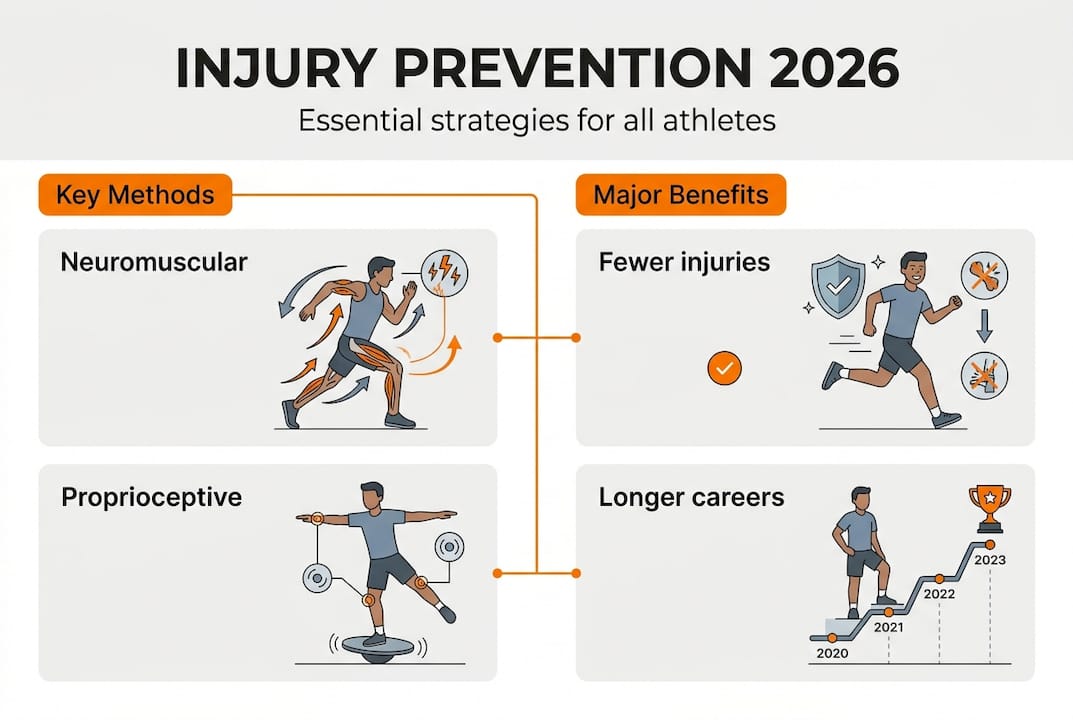
Structured warm-up routines provide another evidence-based prevention strategy. The FIFA 11+ programme cuts soccer injuries by 30 to 40 percent when performed consistently before training and matches. This 20-minute routine combines running exercises, strength work, plyometrics, and balance challenges specifically designed to address common soccer injury mechanisms. The biomechanical improvements from regular FIFA 11+ practice transfer directly to reduced injury rates during competitive play.
Optimal training session characteristics for injury prevention include:
Duration of 5 to 15 minutes per session to maintain engagement without excessive fatigue
Frequency of 4 to 5 sessions weekly to build neuromuscular adaptations progressively
Programme length exceeding 26 weeks to achieve sustained protective effects
Progressive difficulty increases that challenge athletes as they adapt to exercises
Sport-specific movements that transfer directly to competitive demands
Proprioceptive training specifically targets ankle stability and reduces reinjury risk by approximately 70 percent in athletes with previous ankle sprains. These exercises train the sensory receptors in joints and muscles to detect position changes and trigger protective muscle responses. Simple balance board exercises, single-leg stance variations, and perturbation training all contribute to enhanced ankle stability.
Prevention method | Primary benefit | Injury reduction |
Neuromuscular training | ACL and overall injury prevention | 51 to 70 percent |
FIFA 11+ warm-up | Soccer injury prevention | 30 to 40 percent |
Proprioceptive training | Ankle sprain prevention | 70 percent |
Strength asymmetry screening | Football injury prediction | 73 percent |
Screening for strength asymmetries between limbs helps identify athletes at elevated injury risk. Imbalances exceeding 10 to 15 percent between legs indicate neuromuscular deficits that predispose to injury during high-speed movements. Addressing these asymmetries through targeted strengthening reduces injury likelihood whilst improving overall athletic performance.
Pro Tip: Combine multiple prevention strategies rather than relying on a single approach. Athletes who integrate neuromuscular training, proper warm-ups, and load monitoring achieve superior injury reduction compared to those using isolated interventions.
Understanding sports injury management principles helps you recognise early warning signs and adjust training before minor issues escalate into significant injuries. This proactive mindset shifts focus from reactive treatment to preventive optimisation.
Balancing training load: managing workloads to avoid injury
The relationship between training load and injury risk follows complex patterns that challenge simplistic assumptions about rest and recovery. Understanding the training-injury prevention paradox helps athletes optimise workload management for both performance gains and injury protection.
Gradually building high chronic training loads over weeks and months conditions your body to tolerate intense training periods without breaking down. This chronic workload represents your average training volume over a four-week period and serves as the foundation for injury resilience. Athletes maintaining elevated chronic loads develop robust physiological adaptations including strengthened connective tissues, enhanced neuromuscular coordination, and improved metabolic efficiency.

The acute to chronic workload ratio compares your current week’s training volume to your four-week average. Ratios exceeding 1.5 indicate dangerous spikes where acute load outpaces chronic adaptation capacity. These spikes correlate strongly with injury occurrence as tissues face demands exceeding their current tolerance. Monitoring this ratio helps you identify risky training progressions before injuries manifest.
Critical workload management principles include:
Increase weekly training volume by no more than 10 percent to allow gradual adaptation
Maintain acute to chronic workload ratios between 0.8 and 1.3 for optimal safety
Avoid sudden intensity increases even when total volume remains constant
Build chronic loads progressively during off-season preparation phases
Recognise that insufficient training loads paradoxically increase injury risk through inadequate conditioning
The warning against under-training surprises many athletes who assume rest always reduces injury risk. However, athletes with very low chronic workloads lack the tissue resilience and neuromuscular capacity to handle even moderate training demands safely. This creates vulnerability when competition or training camps require sudden activity increases.
“The training-injury prevention paradox demonstrates that higher chronic workloads protect against injury when built gradually, whilst sudden acute spikes dramatically increase risk regardless of fitness level.”
Ergonomic considerations support safer load management by optimising training environments and equipment. Understanding the role of ergonomics helps you identify modifiable factors like footwear selection, training surface characteristics, and equipment setup that influence injury risk independently of training volume.
Digital monitoring tools and wearable technology enable precise workload tracking through metrics like training duration, intensity measures, and session ratings of perceived exertion. These objective data points remove guesswork from load management decisions. However, technology alone cannot replace the individualised assessment that physiotherapy professionals provide.
Pro Tip: Calculate your acute to chronic workload ratio weekly by dividing this week’s total training load by your four-week rolling average. If the ratio exceeds 1.5, reduce training volume temporarily to allow adaptation before progressing further.
Regular communication between athletes, coaches, and physiotherapists ensures workload decisions account for individual recovery capacity, injury history, and competitive demands. This collaborative approach prevents the tunnel vision that leads athletes to ignore warning signs whilst chasing performance goals.
Applying injury prevention techniques effectively in Bedfordshire and Buckinghamshire
Translating research findings into practical application requires access to professional assessment services and personalised programme design. Local athletes benefit from expert guidance that tailors general prevention principles to individual needs and sport-specific demands.
Biomechanical assessments identify movement pattern deficiencies and strength imbalances that elevate injury risk. These evaluations analyse running gait, landing mechanics, and sport-specific movements using video analysis and functional testing protocols. The insights gained direct targeted interventions addressing your unique risk factors rather than applying generic prevention programmes.
Strength asymmetry screening using machine learning algorithms reduces football injuries by 73 percent through early identification of imbalance patterns. These sophisticated assessment tools detect subtle asymmetries that traditional testing methods miss. The predictive power enables proactive intervention before injuries occur.
Personalised physiotherapy plans ensure prevention strategies match your specific requirements:
Individual risk factor assessment based on injury history and screening results
Sport-specific exercise selection that transfers directly to competitive movements
Progressive programme design that adapts as your capacity improves
Integration with existing training schedules to maximise compliance
Regular reassessment to track progress and adjust interventions accordingly
Biomechanical assessments at local centres provide the foundation for effective prevention planning. These detailed evaluations examine joint mobility, muscle strength patterns, movement quality, and functional capacity across sport-relevant tasks. The comprehensive data informs evidence-based intervention strategies.
Programme type | Customisation level | Effectiveness | Best for |
Generic prevention protocol | Low | Moderate | General population |
Sport-specific programme | Medium | High | Team sport athletes |
Individualised physiotherapy plan | High | Very high | Athletes with injury history |
Screening-guided intervention | Very high | Highest | Competitive athletes |
Access to diagnostic imaging referrals enables precise injury evaluation when screening identifies concerning findings. Advanced imaging techniques including MRI, ultrasound, and CT scans provide detailed tissue visualisation that guides treatment decisions. Early accurate diagnosis prevents minor issues from progressing to serious injuries through timely intervention.
Personalised physiotherapy plans developed by experienced practitioners account for your training schedule, competitive calendar, and recovery capacity. This individualised approach optimises the balance between prevention activities and sport-specific training demands. Generic programmes often fail because they ignore these practical constraints.
Active communication between all stakeholders maximises prevention success rates. Athletes must report subtle discomfort early, coaches need to adjust training loads based on physiotherapy recommendations, and therapists require feedback about programme compliance and effectiveness. This collaborative model creates accountability whilst ensuring interventions remain practical and sustainable.
Local access to expert services removes barriers that prevent many athletes from implementing proper prevention strategies. Convenient appointment scheduling and multiple clinic locations across Bedfordshire and Buckinghamshire make professional support accessible for athletes at all competitive levels.
Discover expert injury prevention support at Parks Therapy Centre
Taking action on injury prevention requires professional guidance tailored to your specific athletic demands and risk factors. Parks Therapy Centre offers comprehensive assessment and treatment services designed to keep Bedfordshire and Buckinghamshire athletes performing at their best.

Our biomechanical assessments identify movement deficiencies and strength imbalances before they cause injuries. Using advanced analysis techniques, our experienced physiotherapists evaluate your sport-specific movements and develop targeted intervention strategies. When detailed imaging is needed, our diagnostic imaging referrals ensure you receive accurate diagnosis quickly. Personalised physiotherapy services address your unique injury prevention needs through evidence-based programmes that integrate seamlessly with your training schedule. Book an appointment online today to start your injury prevention journey with expert support from our award-winning team.
Frequently asked questions about injury prevention in 2026
How do frequent short sessions prevent knee injuries better than longer workouts?
Short sessions of 5 to 15 minutes performed 4 to 5 times weekly maintain neuromuscular engagement without inducing excessive fatigue that compromises movement quality. This frequency allows consistent skill practice whilst providing adequate recovery between sessions. Longer infrequent sessions often lead to technique breakdown as fatigue accumulates, increasing injury risk during the latter portions of training.
What role does machine learning play in injury risk screening?
Machine learning algorithms analyse complex patterns in strength, flexibility, and movement data that human assessment cannot detect reliably. These systems identify subtle asymmetries and risk factor combinations that predict injury likelihood with 73 percent accuracy in football populations. The technology enables earlier intervention by flagging at-risk athletes before traditional screening methods would identify problems.
Why are tailored physiotherapy plans more effective than generic programmes?
Tailored plans account for your injury history, sport-specific demands, training schedule, and individual biomechanical characteristics that generic programmes ignore. This customisation ensures exercises target your actual risk factors rather than applying one-size-fits-all protocols. Athletes following personalised prevention strategies achieve superior injury reduction because interventions address their unique needs.
Why is gradual workload increase safer than sudden training spikes?
Gradual progression allows connective tissues, neuromuscular systems, and metabolic pathways to adapt progressively to increasing demands. Sudden spikes create mismatches between acute stress and chronic adaptation capacity, overwhelming tissue tolerance and triggering injury. The 10 percent rule for weekly volume increases provides sufficient stimulus for adaptation whilst maintaining safe stress levels that tissues can accommodate without breaking down.
Recommended