
Pilates benefits explained: injury recovery and wellness
TL;DR:
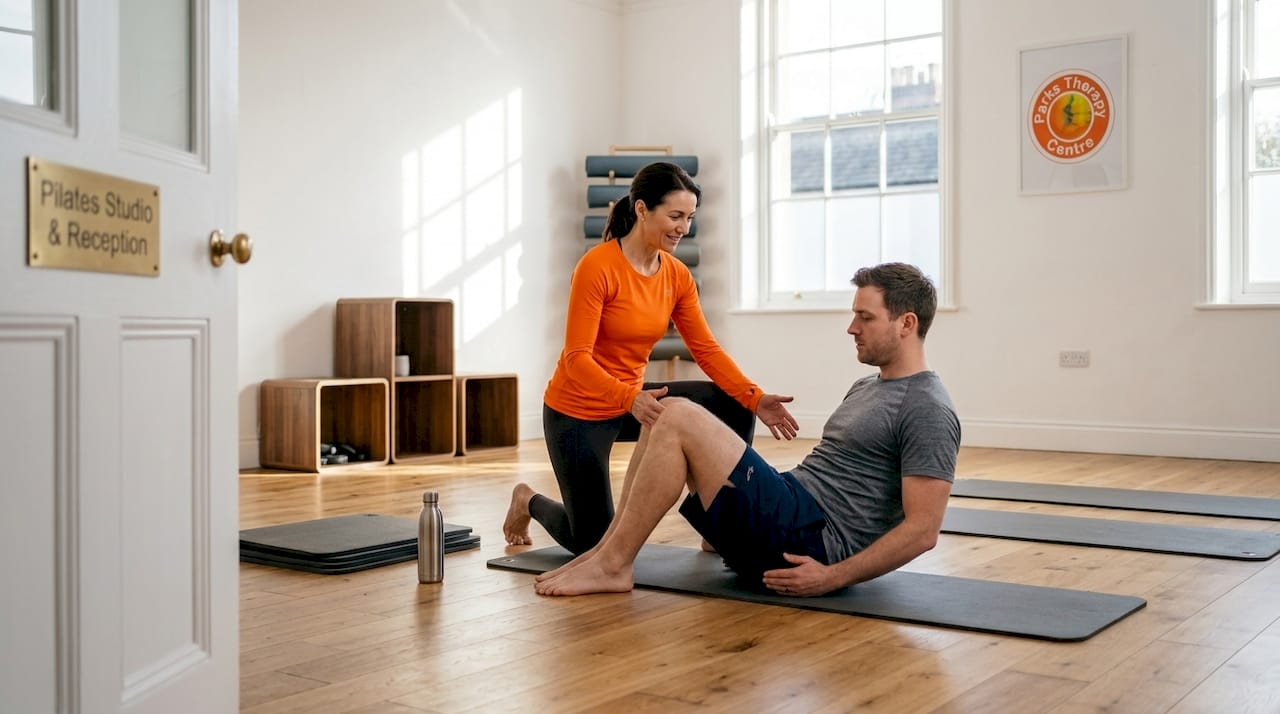
Pilates effectively reduces chronic pain, accelerates injury rehabilitation, and improves strength and function through evidence-based movement. It targets deep stabilizing muscles, enhances flexibility, and promotes posture, making it ideal for injury prevention and long-term health. Supervised, expert-guided Pilates ensures safe, tailored progress within the body’s capacity, optimizing recovery and well-being.
Pilates is widely misunderstood. Many people picture slow stretching, quiet studios, and modest effort. What the research actually shows is considerably more interesting: with pilates benefits explained through clinical evidence, it becomes clear this method reduces chronic pain, accelerates injury rehabilitation, and produces measurable improvements in strength and function. This guide is written specifically for people recovering from musculoskeletal injuries or looking to protect themselves from future ones. You will find evidence-based insights, practical comparisons, and specific guidance on how to apply Pilates safely and effectively for lasting physical health improvement.
Table of Contents
How Pilates benefits pain reduction and musculoskeletal health
Enhancing flexibility, strength, and posture through Pilates
Comparing Pilates with other exercise modalities for rehabilitation and wellness
Why Pilates is uniquely suited for injury recovery and preventive health
Explore professional Pilates guidance at Parks Therapy Centre
Key Takeaways
Point | Details |
Significant pain relief | Pilates provides clinically meaningful reductions in chronic low back pain and improves function. |
Enhanced flexibility and core strength | Regular Pilates sessions increase joint mobility and strengthen deep stabiliser muscles. |
Safe injury rehabilitation | Controlled, supervised Pilates supports recovery with low-impact, precise movements. |
Holistic wellness benefits | Pilates improves mental focus, reduces stress, and prevents future injuries through better posture and balance. |
Evidence-based exercise choice | Adherence to Pilates and exercise guidelines maximises positive health outcomes and wellbeing. |
How Pilates benefits pain reduction and musculoskeletal health
For anyone managing a musculoskeletal injury or chronic pain, the question is rarely “should I exercise?” but “what kind of exercise will actually help?” Pilates answers that question more convincingly than most options available to you.
The method targets deep stabilising muscles, particularly those surrounding the spine and pelvis, improving trunk stability and spinal alignment. These are precisely the structures that break down when chronic pain takes hold. Rather than training superficial muscles through load and repetition, Pilates teaches your body to activate the right muscles in the right sequence. That distinction matters enormously in rehabilitation.
The evidence base is substantial. Pilates produced the greatest pain reduction in low back pain patients compared to usual care (SMD -1.56, 95% CI -2.10 to -1.02; moderate-certainty evidence), outperforming other mind-body exercise modalities in a systematic review and network meta-analysis. That is not a marginal difference.
Clinical guidelines also reflect this. Core strengthening through Pilates is recommended as an active treatment for nonspecific low back pain, with emphasis placed on neutral spine positioning and deep abdominal activation rather than passive approaches such as heat or general advice. And across multiple randomised controlled trials, Pilates improved pain, functional ability, and quality of life in people with chronic low back pain.
Key mechanisms through which Pilates supports musculoskeletal health include:
Neutral spine training, which reduces compressive load on intervertebral discs
Deep abdominal activation, specifically the transversus abdominis, which provides segmental spinal support
Pelvic floor engagement, contributing to intra-abdominal pressure regulation during movement
Proprioceptive re-education, improving your body’s awareness of joint position and movement quality
“The goal of Pilates in rehabilitation is not just pain relief but restoring the movement patterns that prevent pain from returning.”
If you want to understand the Pilates and lower back pain connection in more depth, the clinical picture is both well-researched and directly applicable to everyday recovery.
Enhancing flexibility, strength, and posture through Pilates
Building on pain relief, understanding the flexibility and strength benefits clarifies how Pilates prevents further injury and promotes lasting wellness.
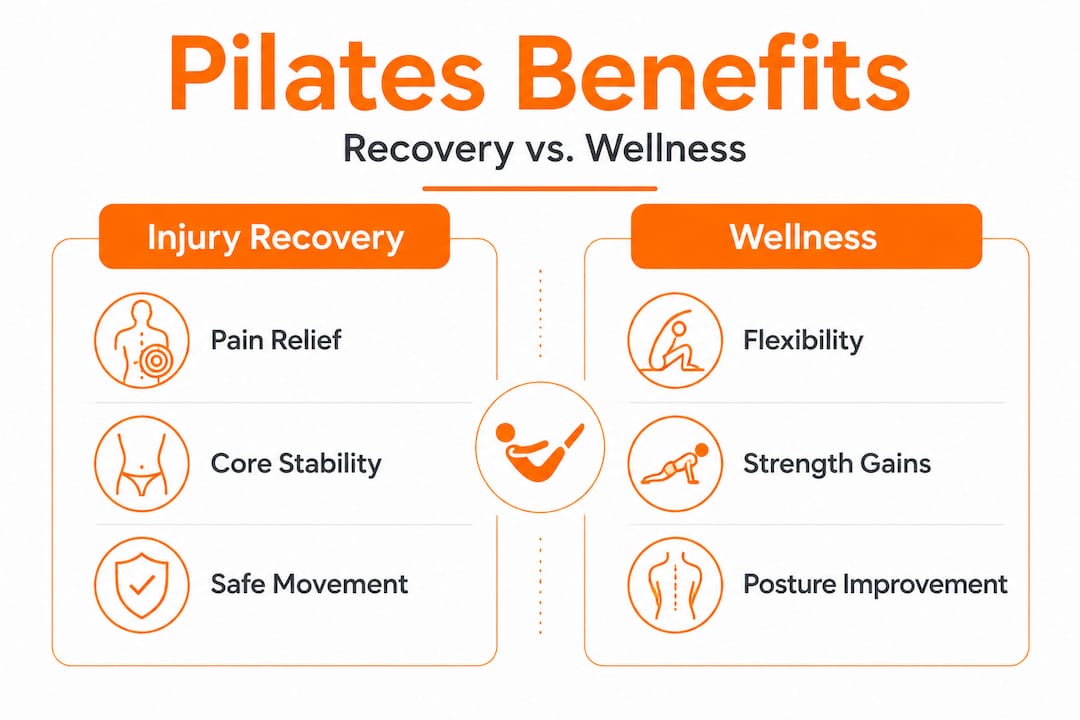
One of the most underestimated advantages of Pilates is how quickly it improves flexibility. Just 20 Pilates sessions can produce a 20% increase in flexibility. That is a significant result, particularly for people whose movement has been restricted by injury or prolonged inactivity.
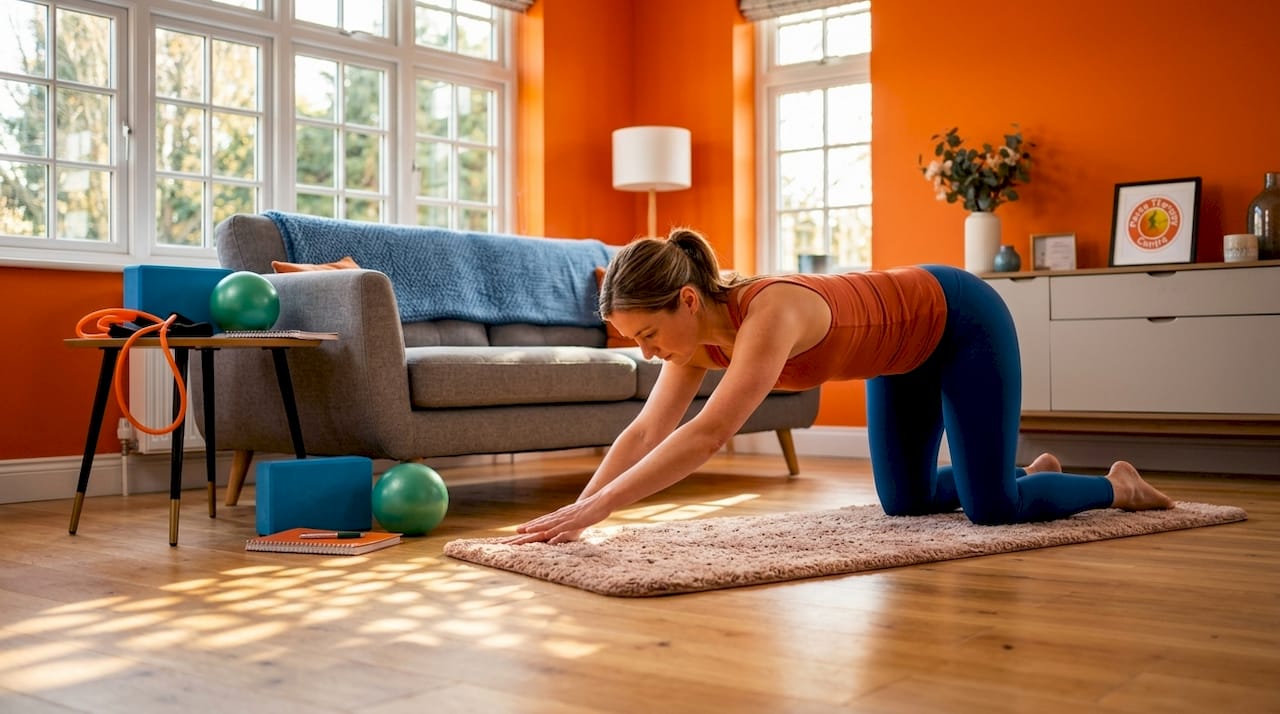
But flexibility alone is not the goal. What makes Pilates genuinely effective for injury prevention is the combination of improved joint range of motion and strengthened stabilising muscles. You become more mobile without becoming unstable. That pairing is far rarer than it sounds.
Here is how the progression typically works in practice:
Establish awareness. You learn to identify neutral spine, activate deep abdominal muscles, and distinguish between joint movement and spinal compensation.
Build foundational strength. Short-lever exercises such as leg slides and supine bridges develop the powerhouse muscles without loading the spine excessively.
Improve flexibility progressively. Movements like the single-leg stretch and spine stretch forward gradually lengthen tight hip flexors and hamstrings without aggressive forcing.
Integrate posture and alignment. Standing and seated Pilates exercises translate the work into functional positions you actually use throughout the day.
Pro Tip: If you have been sedentary for several months following an injury, begin with mat-based Pilates before attempting reformer work. The floor provides feedback and limits compensation patterns more effectively in early recovery.
The table below illustrates how Pilates compares with other common exercise forms across the specific physical attributes most relevant to recovery and injury prevention:
Attribute | Pilates | Yoga | Resistance training | General stretching |
Core stability | Excellent | Moderate | Good | Low |
Spinal alignment focus | Excellent | Moderate | Variable | Low |
Flexibility gains | Good | Excellent | Low | Moderate |
Injury-safe progression | Excellent | Moderate | Variable | Good |
Posture improvement | Excellent | Good | Moderate | Low |
Suitable post-injury | Excellent | Moderate | Variable | Moderate |
Exploring Pilates exercises for recovery and wellness in a supervised setting gives you access to this progression in a structured, safe format.
Pilates as a safe rehabilitation tool for injury recovery
Having reviewed the physical benefits, it is worth focusing on the practical realities of using Pilates for injury rehabilitation. Not all movement is created equal in recovery, and how you begin matters as much as what you eventually progress to.
The foundational principle is controlled, deliberate movement. Pelvic tilts and bird dogs are typically the starting point for injury recovery because they build spinal awareness without creating the compensation patterns that often prolong rehabilitation. These are not dramatic exercises, but they are precise ones.
Professional guidance is not optional in this context. An instructor working with an injured patient must assess posture, understand the mechanism of injury, and adapt exercises accordingly. Without that assessment, even low-impact Pilates can reinforce the very compensations that caused or worsened the original problem.
For older adults and those with chronic musculoskeletal conditions, the balance and coordination work within Pilates carries particular value. Pilates reduces fall risk in older adults when combined with strength training, which makes it a genuinely preventive therapy, not just a reactive one.
Key principles for safe Pilates-based rehabilitation:
Start low, progress slowly. Intensity should feel manageable, not demanding, in the early weeks.
Prioritise breath control. Lateral thoracic breathing, the Pilates standard, stabilises the core during movement without breath-holding.
Maintain neutral spine. Most Pilates injuries in rehabilitation happen when people force range of motion before their stabilisers are ready.
Communicate with your instructor. If an exercise reproduces your pain, stop and report it. Adaptation is always possible.
Allow recovery between sessions. Two to three sessions per week is sufficient for most people in early rehabilitation.
Understanding Pilates in injury rehabilitation as a structured, graduated process is what separates successful recovery from a frustrating plateau.
Psychological and preventive health benefits of Pilates
Alongside physical recovery, Pilates also nurtures psychological health and contributes to preventing future injury and illness.
The mental aspects of Pilates are not incidental. Controlled breathing, focused attention on movement quality, and the deliberate slowing down of physical effort all produce real psychophysiological effects. Stress activates the same muscular bracing patterns that exacerbate musculoskeletal pain, so practices that reduce physiological arousal have a direct clinical benefit for people in rehabilitation.
Pilates delivers positive psychosocial outcomes, including improved quality of life and self-esteem. It is important to understand this correctly: Pilates is not a mental health treatment, and the research does not claim it directly targets depression or anxiety. What it does do is improve how people feel about their bodies, their movement confidence, and their capacity to manage physical challenges. For someone recovering from a significant injury, that shift in self-perception has tangible effects on adherence and long-term outcomes.
From a preventive standpoint, Pilates reduces injury risk by improving torso stability for athletes and sedentary individuals alike. The pilates impact on well-being extends well beyond sessions: better posture means less fatigue, improved balance means fewer falls, and muscular symmetry means reduced wear on joints over years of daily use.
Key preventive and psychological benefits include:
Improved proprioception, reducing the likelihood of re-injury during return to activity
Enhanced body awareness, supporting better movement choices in daily life
Reduced muscular tension associated with chronic stress
Greater confidence in physical capability, supporting motivation to remain active
“Pilates does not simply treat the body that is injured. It develops the body that avoids injury in the first place.”
The clinical Pilates for wellness and prevention approach integrates these benefits into a structured, evidence-informed programme.
Comparing Pilates with other exercise modalities for rehabilitation and wellness
To further clarify Pilates’ value, comparing it with other common exercise options reveals its specific strengths.
Many people in recovery are told simply to “stay active.” That advice is well-intentioned but incomplete. The type of exercise you choose, and how closely it follows evidence-based guidelines, determines how much benefit you actually receive.
Exercise programmes with high adherence to ACSM guidelines (American College of Sports Medicine, the international standard-setter for exercise science) show superior pain relief (SMD -1.98) compared to low-adherence programmes. Pilates, when delivered by trained instructors, naturally aligns with these guidelines through its structured progression, appropriate intensity, and built-in recovery principles.
Factor | Pilates | Yoga | General gym exercise | Swimming |
Pain management (evidence level) | High | Moderate | Moderate | Moderate |
Injury-specific adaptability | Excellent | Moderate | Low | Good |
Spinal health focus | Excellent | Good | Low | Good |
Mindful movement integration | Excellent | Excellent | Low | Low |
Suitable for all fitness levels | Excellent | Good | Variable | Good |
Clinical supervision available | Yes | Rarely | Rarely | Rarely |
What separates Pilates from general fitness work is not just the exercises themselves but the intent behind each movement. Breath control, spinal position, and neuromuscular activation are front and centre in every session. That level of precision is largely absent in standard gym programmes.
Pro Tip: Combining Pilates with physiotherapy-guided strengthening gives you the best of both. Pilates provides the neuromuscular foundation; targeted strengthening builds the load capacity needed for full return to activity.
If you want to refine how you approach sessions, understanding how to improve your Pilates technique is an important next step.
Why Pilates is uniquely suited for injury recovery and preventive health
After examining the evidence, there is a perspective worth sharing that most articles on this topic overlook entirely.
Pilates is not just a gentler form of exercise. It is, at its core, a method of movement re-education. When you sustain a musculoskeletal injury, your nervous system adapts, often in unhelpful ways. Muscles inhibited by pain switch off. Compensatory patterns develop. You may feel you have recovered once pain subsides, but the underlying movement dysfunction often remains. This is precisely why injury recurrence rates are so high across most musculoskeletal conditions.
What Pilates does, more systematically than virtually any other exercise method, is address those neural adaptations directly. The slow, precise, breath-coordinated movements are not about building bulk or burning calories. They are about re-establishing the correct recruitment sequence in muscles that have been disrupted by pain, disuse, or poor posture. That is a fundamentally different goal from general exercise, and it requires a fundamentally different approach.
The low-impact nature of Pilates is often misread as low value. In reality, it is what makes the method safe for tissues that cannot yet tolerate load. High-intensity training at the wrong stage of recovery does not accelerate healing. It delays it. Pilates works within the body’s actual capacity at each stage of recovery rather than pushing past it.
Breath integration is the other element that is frequently underestimated. In Pilates, breathing is not just a background process. It is coordinated with movement to manage intra-abdominal pressure, support spinal stability, and promote a parasympathetic response that reduces protective muscle guarding. No other mainstream rehabilitation exercise achieves this as consistently.
The conclusion from clinical experience at Parks Therapy Centre is straightforward: the patients who recover most effectively from musculoskeletal injuries are those who combine supervised physiotherapy with structured, progressive Pilates. Not one or the other. Both, in sequence. If you are serious about Pilates for injury recovery, invest in certified instruction from the start rather than working through online videos alone. The technique detail that cannot be conveyed through a screen is precisely the detail that determines whether you recover well or plateau.
Explore professional Pilates guidance at Parks Therapy Centre
Knowing the evidence is one thing. Applying it safely to your specific injury and health history is another matter entirely.
At Parks Therapy Centre, our Pilates programmes are designed and delivered by qualified practitioners who integrate clinical assessment with exercise prescription. We do not offer a general fitness class and call it rehabilitation. Every programme is informed by your injury history, postural assessment, and functional goals, whether you are recovering from a disc injury, managing chronic back pain, or looking to prevent future problems. With clinics across Bedfordshire and Buckinghamshire and a team experienced in physiotherapy-integrated Pilates, we provide the supervised, evidence-backed approach that produces lasting results. Book an initial consultation and receive a programme tailored to exactly where you are now.
Frequently asked questions
Is Pilates safe for people with chronic low back pain?
Yes, Pilates is generally safe and effective for chronic low back pain when exercises are individually adapted by a qualified instructor. Pilates effectively reduces pain and improves function in chronic low back pain patients across multiple clinical trials.
How quickly can Pilates improve flexibility?
Noticeable improvements can come faster than most people expect. Just 20 Pilates sessions can produce approximately a 20% increase in flexibility, making it one of the more efficient methods for improving joint range of motion.
Can Pilates help prevent injuries?
Yes. Pilates reduces injury risk by improving torso stability, balance, and postural control, all of which reduce vulnerability to strain during daily activity and sport.
Do I need to be fit to start Pilates?
No. Pilates is suitable for all fitness levels and ages, with every exercise modifiable to match your current ability and health status. Pilates benefits everyone, regardless of starting fitness or age.
Why is supervised Pilates recommended for injury recovery?
Supervision ensures correct form, appropriate exercise selection, and safe progression, all of which prevent compensation patterns that can prolong or worsen injury. Supervised instruction is key for older adults and anyone recovering from musculoskeletal injury.
Recommended