
Top knee injury prevention tips for active adults in 2026
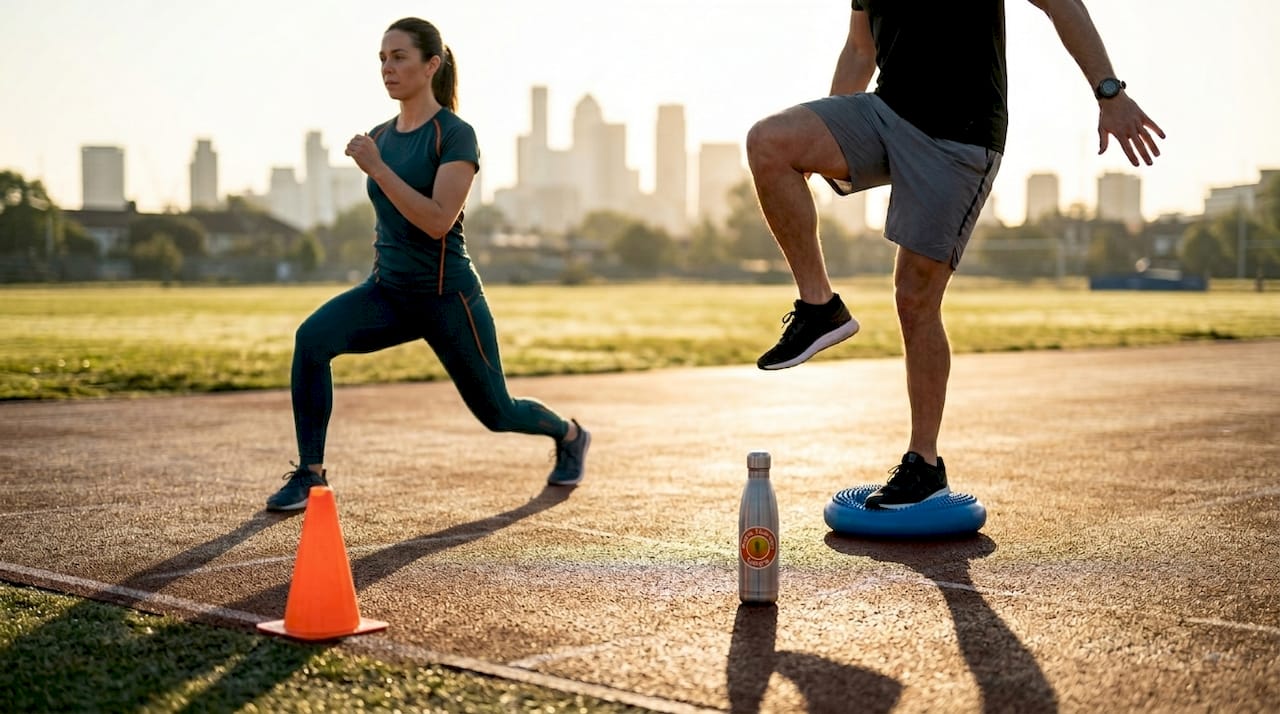
Knee injuries remain a leading cause of reduced mobility and diminished quality of life for active adults across Bedfordshire and Buckinghamshire. Whether you’re a weekend footballer, regular runner, or someone managing previous knee issues, understanding evidence-based prevention strategies is essential for maintaining your active lifestyle. Research demonstrates that structured prevention programmes reduce injury risk by 25-46%, making 2026 the ideal time to adopt proven techniques. This article explores practical, scientifically validated approaches tailored specifically for recreational athletes and individuals with prior knee concerns, helping you stay active and injury-free.
Table of Contents
Key takeaways
Point | Details |
Comprehensive training | Prevention programmes combining strength, balance, and neuromuscular training reduce injury risk significantly |
Targeted strengthening | Hip and medial thigh strengthening are especially effective for those with previous knee conditions |
Consistent routine | Proper biomechanics and consistent exercise routines are key to long-term knee health |
Individualised approach | Tailoring programmes based on prior injuries and biomechanics is critical for optimal results |
Criteria for effective knee injury prevention for active adults
Selecting the right knee injury prevention programme requires understanding several critical criteria that separate effective approaches from generic advice. The most successful programmes share common characteristics backed by extensive research and clinical practice.
Consistency forms the foundation of any effective prevention strategy. Exercises performed three to four times weekly, with sessions lasting 20 to 30 minutes, offer optimal benefits without overwhelming your schedule. This frequency allows adequate recovery whilst maintaining the neuromuscular adaptations necessary for injury prevention.
Variety proves equally important. Combining strength, plyometric, core, neuromuscular, and balance training addresses multiple risk factors simultaneously. Single-focus programmes often miss crucial elements, leaving gaps in your protective framework. A comprehensive sport injury prevention guide 2026 approach ensures all vulnerability points receive attention.
Individualisation cannot be overlooked. Your unique biomechanics, injury history, and activity patterns demand tailored solutions. What works for a marathon runner may not suit a tennis player, and previous knee injuries require specific attention to prevent recurrence.
Key programme elements include:
Strength training targeting major muscle groups supporting knee stability
Plyometric exercises developing power and landing mechanics
Core stability work improving overall body control
Neuromuscular training enhancing coordination and proprioception
Balance activities challenging single-leg stability
Nutrition and weight management support tissue health and reduce mechanical load on knee joints. Proper technique during all activities, combined with workload monitoring, prevents fatigue-related risks that often precipitate injury.
Strength training focused on hip and medial thigh muscles
Targeted strengthening of hip and medial thigh muscles represents one of the most effective interventions for knee injury prevention, particularly for individuals with previous knee pain or structural concerns. These muscle groups control knee alignment during movement, directly influencing injury risk.
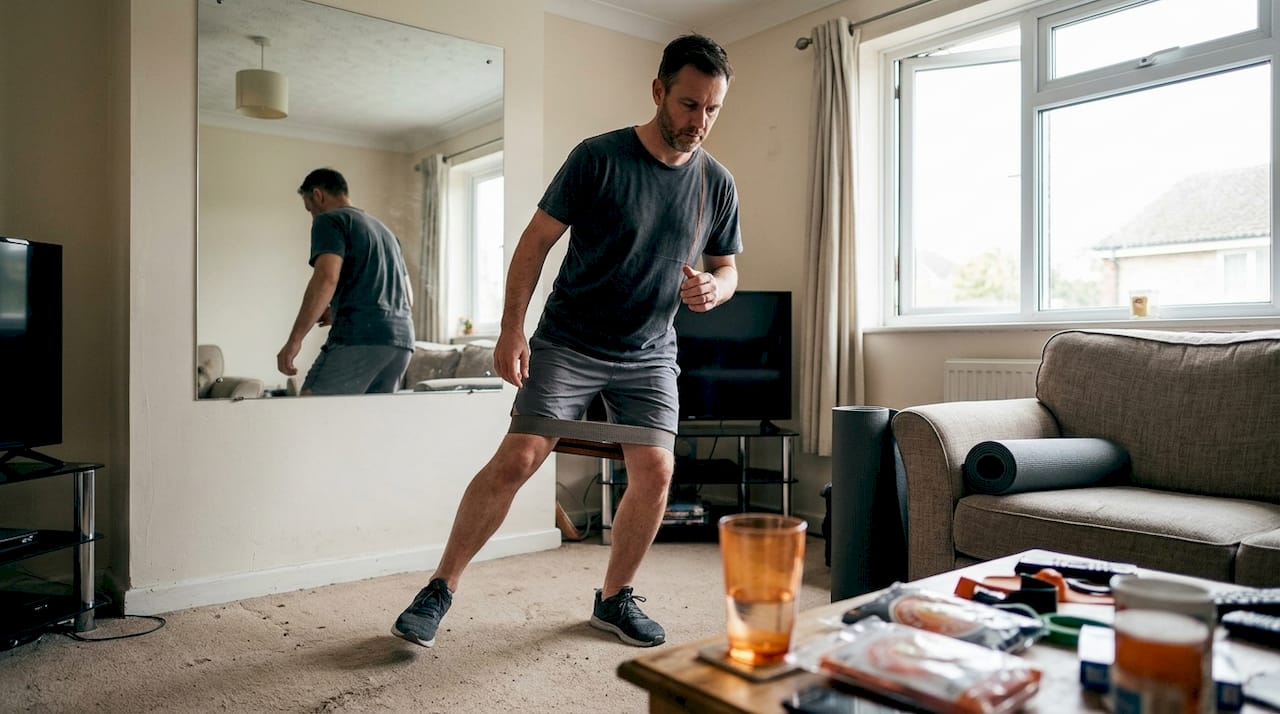
Research confirms that hip and medial thigh strengthening proves superior to knee-only exercises for both pain reduction and reinjury prevention. The gluteal muscles, hamstrings, and medial quadriceps work together to reduce knee valgus, the inward collapse of the knee that commonly causes ACL tears and patellofemoral pain.
Effective exercises include:
Glute bridges with progressive resistance, focusing on hip extension strength
Clamshells targeting gluteus medius for lateral hip stability
Single-leg deadlifts developing posterior chain strength and balance simultaneously
Step-ups with controlled descent, emphasising eccentric control
Side-lying hip abduction building frontal plane stability
Terminal knee extensions isolating vastus medialis obliquus
An eight-week programme incorporating these exercises can significantly reduce knee pain whilst improving functional capacity. The key lies in progressive overload, gradually increasing resistance or repetitions as strength develops. Understanding sports injury management 2026 principles helps you structure progression safely.
Pro Tip: Film yourself performing single-leg exercises to identify compensation patterns. Common faults include hip dropping, knee valgus, or excessive trunk lean. Correcting these movement flaws amplifies injury prevention benefits whilst accelerating strength gains.
Form quality matters more than weight lifted. Begin with bodyweight variations, mastering proper mechanics before adding external resistance. Three to four weekly sessions allow adequate recovery between training stimuli, promoting adaptation without overtraining.
Neuromuscular training and balance for injury risk reduction
Neuromuscular training addresses the communication pathways between your nervous system and muscles, improving movement quality and reaction speed. This approach complements strength training by enhancing how effectively you use existing strength during dynamic activities.
Neuromuscular and balance training reduce dynamic knee valgus whilst improving gait patterns, directly lowering ACL and meniscal injury risks. The training improves proprioception, your body’s awareness of joint position, alongside coordination of hip, core, and foot muscles during complex movements.
Effective neuromuscular exercises include:
Single-leg balance progressions on stable then unstable surfaces
Jump landing technique training emphasising soft, controlled landings
Multidirectional hopping patterns developing reactive stability
Foot strengthening exercises improving the foundational platform
Agility drills requiring rapid direction changes with proper mechanics
Feature | Neuromuscular Training | Strength Training |
Primary Focus | Movement quality and coordination | Muscle force production |
Time to Results | 4-6 weeks for movement improvements | 8-12 weeks for significant strength gains |
Injury Risk Reduction | 30-40% reduction in acute injuries | 25-35% reduction in overuse injuries |
Session Duration | 15-20 minutes | 30-45 minutes |
Equipment Needed | Minimal (balance pads, cones) | Moderate (weights, resistance bands) |
Structured programmes like FIFA 11+ offer evidence-based warm-up routines incorporating neuromuscular elements. These protocols take 15 to 20 minutes and significantly reduce injury rates when performed consistently before training or matches. The Pilates rehabilitation role demonstrates how controlled movement patterns enhance neuromuscular control.
Pro Tip: Incorporate single-leg balance work into daily routines. Stand on one leg whilst brushing teeth or waiting for the kettle. These micro-sessions accumulate significant training volume without requiring dedicated workout time.
Neuromuscular training shows particular value for individuals returning from injury, as it retrains movement patterns disrupted during the injury period. The approach bridges the gap between rehabilitation and full sport participation.
Empirical benchmarks and practical tips for ongoing knee health
Establishing clear benchmarks helps you gauge programme effectiveness whilst maintaining motivation. Evidence-based guidelines provide realistic targets for frequency, intensity, and lifestyle factors supporting knee health.
Research recommends three sessions weekly of moderate strength and mobility work to prevent overuse injuries. This frequency balances training stimulus with recovery needs, allowing tissue adaptation without excessive fatigue. Consistent programmes like FIFA 11+ demonstrate measurable injury rate reductions when maintained over full seasons.
Nutrition significantly impacts tissue health and recovery capacity. Protein intake of one to two grammes per kilogramme bodyweight supports muscle maintenance and repair. Anti-inflammatory foods, including fatty fish, berries, and leafy greens, may reduce joint inflammation. Adequate hydration maintains cartilage health and synovial fluid quality.
Weight management deserves particular attention. Excess body weight increases mechanical stress on knee joints during every step. Studies show losing 10% body weight can halve long-term knee replacement risk, highlighting the profound impact of weight control.
Local resources enhance programme success. Physiotherapy centres throughout Bedfordshire and Buckinghamshire offer gait analysis and biomechanical assessments, identifying individual risk factors requiring attention. Understanding injury prevention ergonomics principles helps you optimise daily movement patterns beyond formal exercise.
Progressive steps for sustainable knee health:
Schedule three weekly 30-minute prevention sessions in your calendar
Begin with bodyweight exercises, focusing on perfect form
Add resistance progressively once movement patterns are mastered
Incorporate neuromuscular warm-ups before all sporting activities
Monitor training load, avoiding sudden volume or intensity spikes
Assess nutrition quality, ensuring adequate protein and anti-inflammatory foods
Consider professional gait analysis if experiencing persistent discomfort
Component | Recommendation | Frequency |
Strength Training | 20-30 minutes per session | 3-4 times weekly |
Neuromuscular Work | 15-20 minutes per session | 3-4 times weekly |
Protein Intake | 1-2g per kg bodyweight | Daily |
Anti-inflammatory Foods | Multiple servings | Daily |
Professional Assessment | Gait and biomechanical analysis | Annually or when issues arise |
Consistency trumps intensity. Moderate, regular training produces superior long-term results compared to sporadic intense efforts. Building habits around prevention activities ensures sustainability beyond initial enthusiasm.
Support your knee health with expert physiotherapy in Bedfordshire and Buckinghamshire
Whilst self-directed prevention strategies form your foundation, professional guidance optimises outcomes and addresses individual complexities. Parks Therapy Centre offers comprehensive services tailored to active adults seeking to prevent and manage knee injuries effectively.
Our bio-mechanical assessments identify specific movement patterns increasing your injury risk, providing targeted interventions addressing your unique biomechanics. When detailed evaluation is required, diagnostic imaging referrals ensure accurate diagnosis guiding treatment decisions.
Convenient access matters for maintaining consistent care. Book physiotherapy online at locations throughout Bedfordshire and Buckinghamshire, fitting expert support around your schedule. Professional guidance complements your exercise and lifestyle efforts, creating a comprehensive approach to long-term knee health and injury prevention.
Frequently asked questions
Which exercises effectively reduce risk of knee injury?
Combined strength, plyometric, core, neuromuscular, and balance training performed regularly prevent most knee injuries. Hip and medial thigh strengthening prove particularly effective for individuals with previous knee issues.
How often should injury prevention exercises be done?
Three to four times weekly, with 20 to 30 minute sessions, provide optimal injury risk reduction. Consistency matters more than individual session intensity for long-term protection.
Can nutrition impact knee injury risk?
Yes, adequate protein intake supporting muscle maintenance and anti-inflammatory diets promoting joint health significantly influence injury risk. Proper nutrition enhances tissue repair and reduces inflammatory responses.
What should I do if I have a history of knee injury?
Prioritise hip and medial thigh strengthening alongside neuromuscular training addressing movement quality. Consulting a physiotherapist for personalised physiotherapy plans ensures your programme addresses specific vulnerabilities from previous injuries.
Are there local services in Bedfordshire and Buckinghamshire to help?
Parks Therapy Centre offers biomechanical assessments, gait analysis, and tailored treatment programmes specifically designed for knee injury prevention and recovery. Multiple locations across both counties provide convenient access to expert care.
Recommended