
What causes sports knee injuries and how to cut your risk
TL;DR:
Sports knee injuries follow common patterns linked to specific movements and mechanics.
Risk factors like gender, previous injury, and movement habits significantly influence injury likelihood.
Prevention through neuromuscular training and proper movement techniques can greatly reduce injury risk.
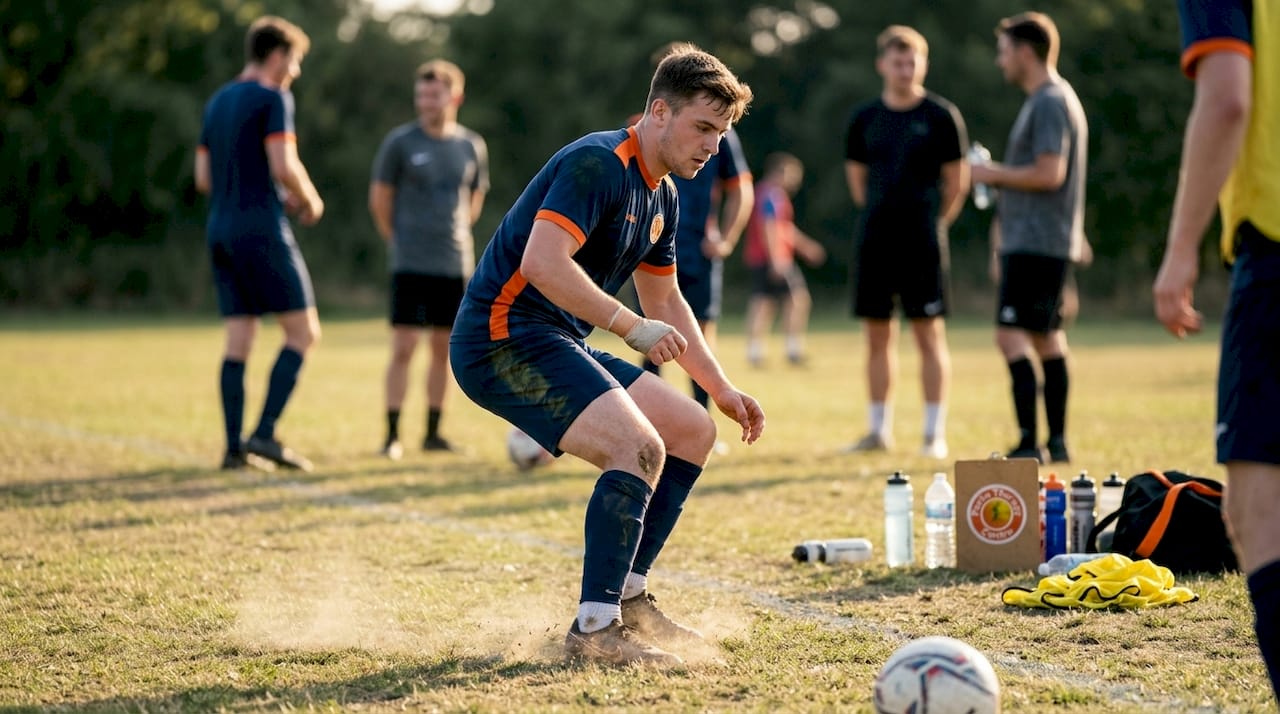
Most knee injuries in sport feel like bad luck. You land awkwardly, your knee buckles, and suddenly you’re on the sideline wondering what went wrong. But sports knee injuries follow common patterns rather than being random accidents. The mechanics, the risk factors, and the movements that lead to injury are well understood, which means they can also be anticipated and, in many cases, avoided. Whether you’re a weekend runner, a seasoned footballer, or returning to sport after a break, understanding what actually causes these injuries is the first step towards protecting yourself.
Table of Contents
Key Takeaways
Point | Details |
Not random accidents | Most sports knee injuries stem from predictable movements and risk factors. |
Main injury mechanisms | Rapid direction changes, landings, contact, and gear use are primary causes. |
Some people are at increased risk | Women, those with previous injuries, and poor biomechanics face a higher chance of injury. |
Prevention is possible | Targeted exercises and better technique can cut injuries by half or more. |
Addressing culture is key | Changing attitudes towards preventative practice makes a big difference for long-term knee health. |
The main mechanisms behind sports knee injuries
With the myth of random injury dispelled, the first step is understanding exactly how sports knee injuries happen. Research consistently points to four primary mechanisms: rapid changes of direction, poor landings, direct contact, and equipment or surface-related factors. Each one places distinct stress on the knee’s structures, including the ligaments, cartilage, and tendons.
Changes of direction are particularly dangerous because they combine rotational force with high speed. When an athlete pivots sharply, the knee is asked to absorb and redirect a significant amount of force in a fraction of a second. Landing mechanics matter just as much. Dropping from height with a straight leg or with the knee collapsing inward dramatically increases the load on the anterior cruciate ligament (ACL), the ligament most commonly injured in sport.
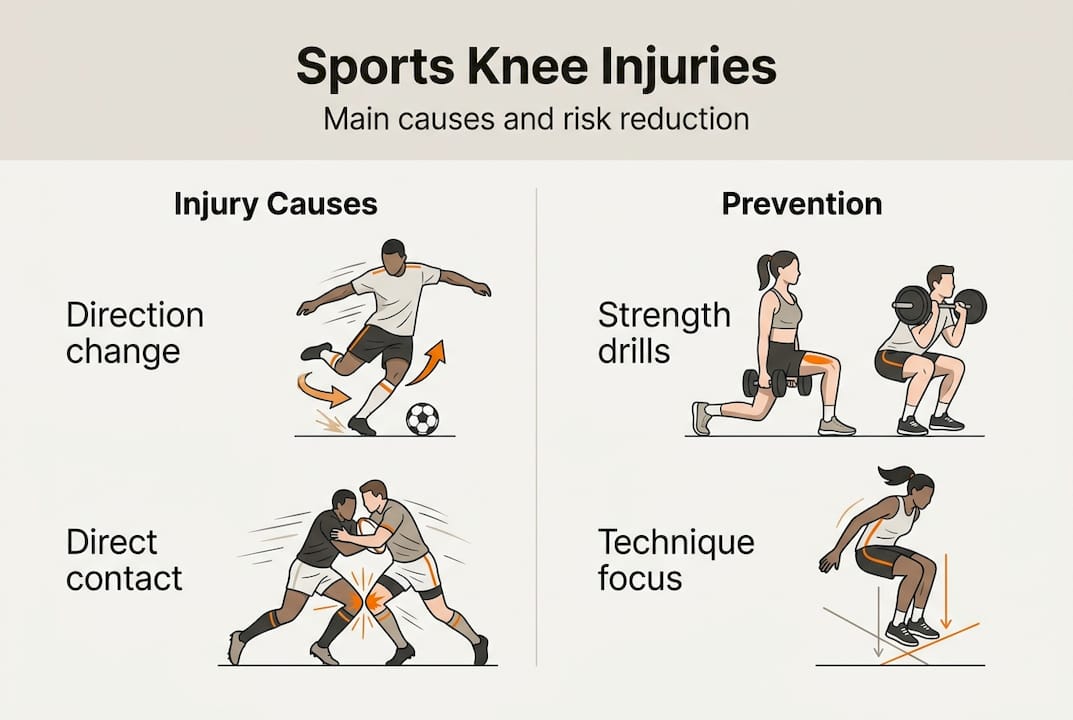
Direct contact injuries, such as a tackle in rugby or a collision in basketball, can cause ligament tears and bone bruising regardless of how good your movement patterns are. Equipment plays a subtler role. Poorly fitting footwear, worn-out soles, or inappropriate cleat length for a given surface can all alter how force travels through the lower limb.
| Mechanism | Common sports | Injury type || |—|—|—| | Change of direction | Football, netball, basketball | ACL, meniscus | | Landing | Volleyball, gymnastics, badminton | ACL, patellar tendon | | Direct contact | Rugby, combat sports, hockey | MCL, bone bruise | | Equipment/surface | Running, football, racquet sports | Patellofemoral, tendon |
Team sports account for a large proportion of knee injuries, with volleyball, badminton, and combat sports also showing high rates. Non-contact injuries, those where no opponent is involved, make up a striking proportion of ACL tears, which reinforces just how much technique and movement quality matter.
Common high-risk movements seen across popular sports include:
Cutting and pivoting in football and netball
Single-leg landings in volleyball and gymnastics
Rapid deceleration in basketball and rugby
Repetitive jumping in badminton and handball
Sudden stops on artificial turf in football
You can read more about the types of sports injuries that affect athletes across different disciplines to see how knee injuries fit into the broader picture.
Why some athletes are at higher risk
Having covered movements, the next logical question is: who is most at risk and why? Not every athlete who pivots or lands will injure their knee. A range of intrinsic factors, those within the body itself, influence how vulnerable a person is to injury.
Risk factors include female sex, age, previous injury, hypermobility, high BMI, poor biomechanics, and poor neuromuscular control. Each of these can independently raise the likelihood of a knee injury, and in combination they create a significantly elevated risk profile.
Women face a notably higher risk of ACL injury compared to men. The reasons are multifactorial. Anatomical differences, including a wider pelvis that alters the angle at which the femur meets the tibia (known as the Q angle), play a role. Hormonal fluctuations across the menstrual cycle may also affect ligament laxity, making the knee temporarily less stable at certain points. Neuromuscular patterns, specifically how women tend to land and absorb force differently to men, are another contributing factor. Understanding injury risk in women is an important part of tailoring prevention strategies effectively.
Women face approximately 1.51 times the risk of ACL injury compared to male athletes, a difference that persists across sport types and competition levels.
Risk factor | Prevalence | Relative risk |
Female sex | Significant across team sports | 1.51x higher ACL risk |
Previous knee injury | Common in returning athletes | 2x or more |
Hypermobility | Estimated 10-15% of population | Moderately elevated |
Poor neuromuscular control | Widespread, often undetected | High |
High BMI | Increasing in recreational athletes | Moderately elevated |
Other common risk amplifiers include:
A history of knee injury on either side
Joint hypermobility affecting knee stability
Muscle imbalances between the quadriceps and hamstrings
Reduced hip strength leading to poor knee alignment
Genetics and ligament structure inherited from parents
Biomechanics and how injuries actually occur
Beyond who is at risk, understanding how the body moves can explain exactly why injuries occur. Biomechanics, the study of how forces act on the body during movement, gives us a clear picture of the positions and patterns that put the knee in danger.
Decreased knee flexion and knee valgus increase ACL loading and overall knee injury risk. Knee valgus refers to the knee caving inward during movement, a position that dramatically increases stress on the ACL and medial structures. Insufficient knee flexion, landing or absorbing force with a near-straight leg, means the muscles cannot share the load effectively, leaving the ligaments to take the brunt.
Here is what typically happens during a non-contact ACL injury:
The athlete decelerates rapidly or plants their foot to change direction
The trunk leans away from the planted leg, shifting the centre of mass
The hip drops into an internally rotated position
The knee collapses inward into valgus
The foot remains fixed while the femur rotates over it
The ACL is loaded beyond its tolerance and tears
This sequence often happens in under half a second, which is why it feels so sudden. But the underlying pattern is usually the result of habitual movement quality, not a single moment of bad luck. Poor hip strength, limited ankle mobility, and fatigued muscles all contribute to the chain of events.
The role of the trunk is often underestimated. A forward or lateral lean of the torso during landing or cutting shifts load onto the knee in ways that the joint cannot safely manage. Good ergonomics in injury prevention extends beyond the workplace and into sport, where body position during movement is equally critical.
Pro Tip: Film yourself landing from a small jump or performing a single-leg squat. If your knee drifts inward or your trunk leans heavily to one side, these are movement patterns worth addressing with a physiotherapist before they lead to injury.
Can sports knee injuries really be prevented?
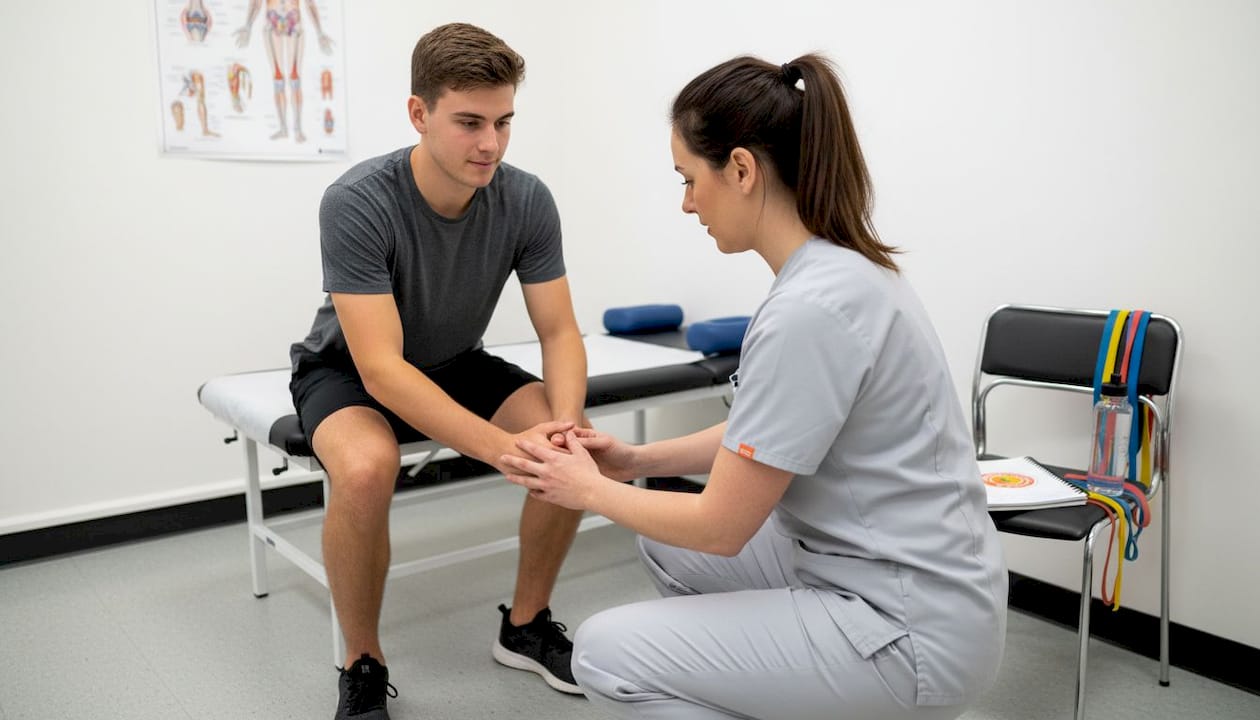
With causes understood, the next question is whether anything can genuinely make a difference. The evidence is encouraging. Neuromuscular training cuts ACL injuries by over 50%, particularly through practising hip and knee flexion mechanics and reducing valgus collapse during landing and cutting.
Neuromuscular training refers to exercises that improve the communication between the nervous system and the muscles around the knee. This includes balance work, controlled landing drills, hip strengthening, and movement pattern retraining. The FIFA 11+ programme for footballers is one of the most studied examples, showing consistent reductions in knee injury rates when applied consistently.
Actionable steps to reduce your knee injury risk:
Practise soft, controlled landings with bent knees after every jump
Strengthen the glutes and hip abductors to support knee alignment
Include single-leg balance exercises in your warm-up routine
Learn to decelerate gradually rather than stopping abruptly
Ensure your footwear matches your sport and surface
Work with a coach or physio to assess your cutting and pivoting technique
The approach needs to be sport-specific. A netballer and a martial artist face different demands, so their prevention programmes should reflect that. Age and sex also influence which elements of training to prioritise. You can find detailed knee injury prevention tips tailored to active adults, as well as a step-by-step injury prevention guide to help you build a structured plan.
For a broader understanding of injury mechanisms across different sports, the research literature offers a solid foundation for building smarter training habits.
Pro Tip: Most athletes skip the deceleration drill. Practise running at moderate speed and coming to a controlled stop over three to four steps, keeping your knees bent and your weight centred. This single drill addresses one of the most common injury moments in team sport.
Our perspective: What most explanations miss about sports knee injuries
The science is clear, but even well-informed athletes and coaches often miss something important. Most prevention conversations focus on strength, and strength matters, but it is not the whole story. We see athletes who are physically strong yet still move in ways that put their knees at risk every session. Strength without movement quality is like having a powerful engine in a car with misaligned wheels.
What is often overlooked is the role of coaching culture and consistency. A single session of movement retraining does not change deeply ingrained habits. Prevention works when it becomes part of the training culture, not an add-on that gets dropped when time is short. As one leading researcher has noted, shifting injury rates requires a shift in how coaches and athletes think about preparation, not just what exercises they include.
At Parks Therapy Centre, we believe that true sports injury prevention starts with honest movement assessment, not assumptions. The athletes who stay healthy long-term are those who treat movement quality as a skill worth practising, not a box to tick.
Take the next step towards safer movement
Understanding the causes of sports knee injuries is genuinely empowering, but knowledge only protects you when it is put into practice. If you have recognised risk factors in yourself, or if you are returning to sport after a previous knee injury, personalised guidance makes a significant difference.

At Parks Therapy Centre, our physiotherapy team works with athletes and active adults across Bedfordshire and Buckinghamshire to assess movement quality, address risk factors, and build prevention plans that fit your sport and lifestyle. Whether you are looking for a movement assessment or want to explore practical advice for knee care, we are here to help you move better and stay in the sport you love.
Frequently asked questions
What are the four main causes of sports knee injuries?
The four primary causes are rapid changes of direction, poor or awkward landings, direct contact with another player or object, and equipment or surface-related factors. Each places different stress on the knee’s structures.
Why do women have a higher risk of knee injuries in sport?
Women face greater ACL injury risk due to a combination of anatomical differences, hormonal influences on ligament laxity, and distinct neuromuscular movement patterns compared to men.
Can you prevent sports knee injuries completely?
Neuromuscular training reduces ACL injuries by more than 50%, but not every injury is fully preventable. Targeted, consistent training significantly lowers your risk even if it cannot eliminate it entirely.
Does having a previous knee injury increase risk for another?
Yes. A history of knee injury is one of the strongest predictors of future sports-related knee problems, which is why thorough rehabilitation and movement retraining after any injury is so important.
Recommended