
What is musculoskeletal pain: a clear guide for adults
- 11 minutes ago
- 9 min read

TL;DR:
Musculoskeletal pain involves discomfort from bones, joints, muscles, tendons, ligaments, or bursae. Early assessment and active rehabilitation are essential for effective recovery and avoiding long-term disability.
Musculoskeletal pain is discomfort arising from the bones, joints, muscles, tendons, ligaments, or bursae — it may be acute (lasting days to weeks after an injury) or chronic (persisting beyond three months). Most mild, short-lived episodes respond well to self-care at home. See your GP if pain has not improved after two weeks, is worsening, or is limiting daily activity. Seek urgent care immediately if any of the following apply:
Severe pain after a fall or accident (suspected fracture)
Pain accompanied by fever, unexplained weight loss, or night sweats
Sudden weakness, numbness, or loss of bladder or bowel control
Table of Contents
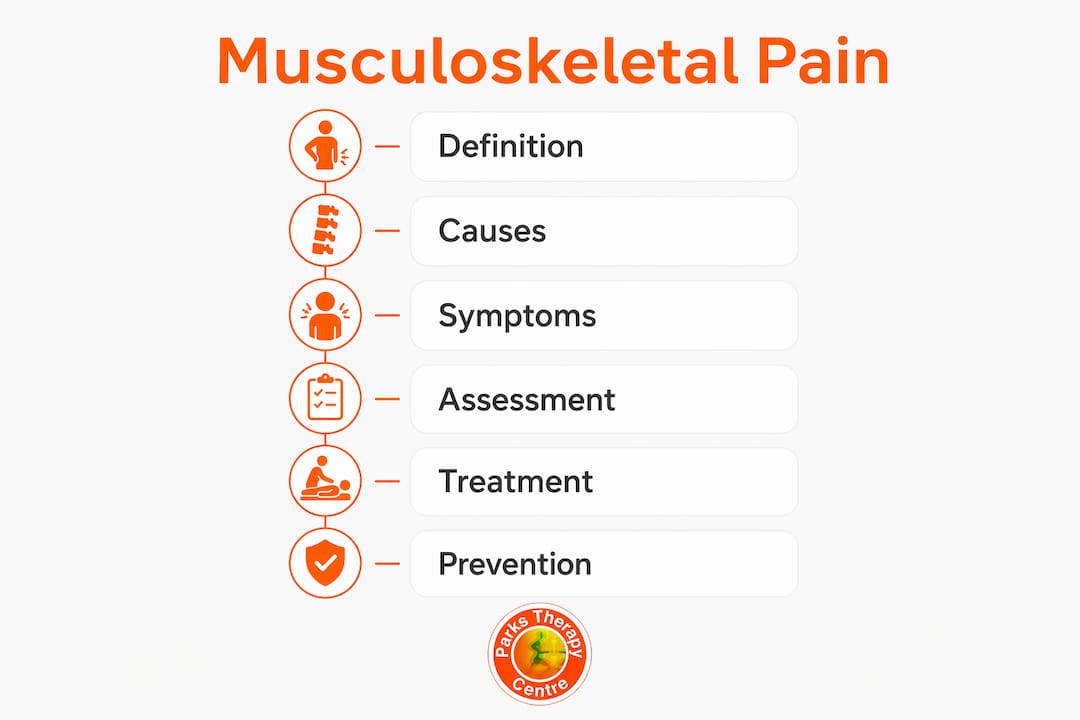
What is musculoskeletal pain and how common is it in the UK?
The musculoskeletal system encompasses every structure that gives your body shape and movement: bones, cartilage, joints, muscles, tendons, ligaments, and bursae (the small fluid-filled sacs that cushion joints). When any of these tissues are strained, inflamed, or damaged, the result is musculoskeletal pain.
Pain may be localised — confined to one area such as the knee or shoulder — or widespread, affecting multiple regions simultaneously. Acute pain typically follows a clear event such as a sprain or fracture and resolves as tissue heals. Chronic musculoskeletal pain persists beyond three months, often without a single identifiable cause, and tends to involve central sensitisation alongside the original tissue problem.
The public-health scale is considerable. The World Health Organization identifies musculoskeletal conditions as a leading cause of disability worldwide, noting that pain in musculoskeletal structures is the most common form of non-cancer pain globally. NHS England recognises musculoskeletal conditions as one of the highest-volume reasons for GP consultations and secondary-care referrals in England, and NICE has published clinical guidelines covering everything from low back pain to osteoarthritis and complex regional pain syndrome.
What does musculoskeletal pain feel like?
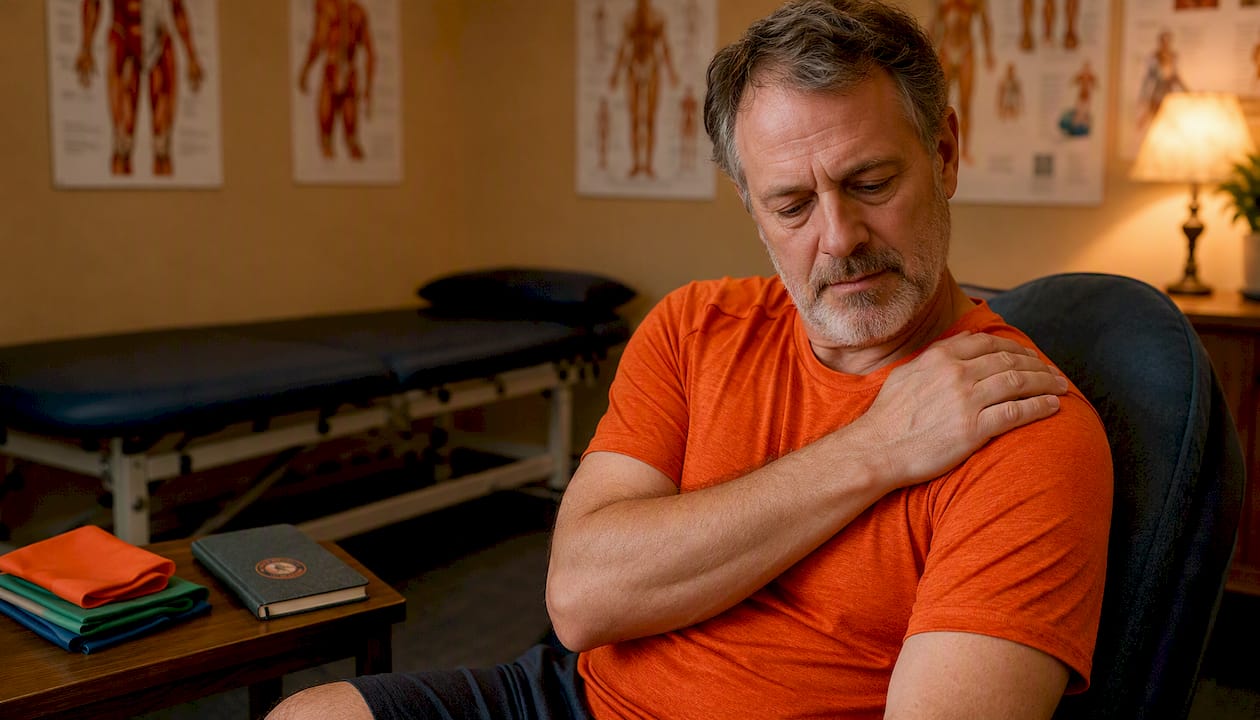
Symptoms vary considerably depending on which tissue is involved. Bone pain tends to be deep and dull; muscle pain usually presents as an aching or sharp spasm; tendon and ligament pain is often sharp and worsens with movement. Stiffness, reduced range of motion, fatigue, and disturbed sleep are common across all tissue types, which is why self-diagnosis can be difficult without a clinical assessment.
Tissue | Typical pain quality | Movement effect | Common conditions |
Muscle | Aching, cramping, sharp spasm | Stiffness after rest; improves with gentle movement | Muscle strain, fibromyalgia |
Tendon / Ligament | Sharp, localised near a joint | Worsens with load or specific movement | Tendinopathy, rotator cuff injury, plantar fasciitis |
Bone | Deep, dull, constant | Severe with weight-bearing or direct pressure | Fracture, stress fracture, osteoporosis |
Joint | Aching, throbbing, sometimes burning | Morning stiffness; worsens with prolonged use | Osteoarthritis, bursitis, rheumatoid arthritis |
Common conditions seen in UK primary care include lower back pain, knee osteoarthritis, shoulder impingement, Achilles tendinopathy, epicondylitis (tennis or golfer’s elbow), and plantar fasciitis. Soft-tissue syndromes such as rotator cuff tendinopathy and epicondylitis are among the most frequent presentations in general practice.
Associated symptoms worth noting:
Swelling or visible bruising around a joint or muscle
Clicking, locking, or giving way in a joint
Fatigue and poor sleep linked to persistent pain
Reduced grip strength or difficulty with everyday tasks
What causes musculoskeletal pain?
Pain ranges from mild to severe, localised to widespread, and may be acute or chronic. Understanding the cause matters because it shapes the treatment approach.
Acute causes arise from a specific event or sudden overload:
Sprains (ligament tears from sudden twisting or impact)
Strains (muscle or tendon tears from overstretching or heavy lifting)
Fractures and stress fractures
Contusions and soft-tissue injuries from direct trauma
Post-surgical pain following orthopaedic procedures
Chronic causes develop gradually and often involve tissue degeneration, inflammation, or repetitive overload:
Osteoarthritis (cartilage breakdown in weight-bearing joints)
Tendinopathy and overuse syndromes (repetitive strain without adequate recovery)
Inflammatory conditions such as rheumatoid arthritis and ankylosing spondylitis
Fibromyalgia (widespread pain with central sensitisation)
Degenerative disc disease and spinal stenosis
Common risk factors that increase the likelihood of developing musculoskeletal pain:
Increasing age (tissue elasticity and repair capacity decline)
Sedentary lifestyle and prolonged sitting
Physically demanding or repetitive occupational tasks
Excess body weight (increases load on joints)
Previous injury to the same area
Poor posture and ergonomic setup at work
Smoking (impairs tissue healing and bone density)
Psychological factors including stress and low mood
Less commonly, musculoskeletal pain signals infection (septic arthritis, osteomyelitis) or malignancy. These causes are rare but require prompt clinical assessment, particularly when pain is constant, progressive, and unrelated to activity.
How is musculoskeletal pain assessed, and when should you seek help?
A GP or physiotherapist will typically begin with a detailed history: when the pain started, what makes it better or worse, how it affects daily function, and whether there are any associated symptoms. This is followed by a physical examination assessing posture, range of motion, strength, and specific orthopaedic tests relevant to the suspected tissue.
Clinical assessment focused on function often identifies the likely cause without immediate imaging. Imaging such as X-ray, ultrasound, or MRI is reserved for cases where red flags are present or structural damage is suspected.
Typical first-line actions in primary care include:
A thorough physical examination and functional assessment
Brief imaging or onward referral where red flags or diagnostic uncertainty exist
Advice on activity modification, analgesia, and self-management
Referral to physiotherapy for rehabilitation when appropriate
Blood tests to rule out inflammatory or systemic causes when indicated
What are the treatment options for musculoskeletal pain?
Treatment is tailored to the individual and commonly uses a multidisciplinary approach — physiotherapy, targeted therapeutic exercise, manual therapies, and activity modification — rather than relying solely on medication. The goal is to restore function as well as reduce pain.

Self-care measures
For mild to moderate pain, the following are appropriate first steps:
Activity modification: reduce aggravating activities without stopping movement entirely
Graded exercise: gentle, progressive movement prevents stiffness and muscle loss
Heat and ice: ice reduces acute swelling in the first 48–72 hours; heat eases chronic muscle tension
Sleep and pacing: consistent sleep and pacing activity through the day reduce pain sensitisation
Medicines
Over-the-counter paracetamol remains a first-line option for mild musculoskeletal pain and is generally well tolerated. Topical or oral NSAIDs (such as ibuprofen) can reduce inflammation in acute soft-tissue injuries; always follow the packet guidance and speak to a pharmacist if you have kidney, stomach, or cardiovascular concerns. Stronger analgesics require GP prescription and are generally reserved for short-term use.
Rehabilitation and specialist therapies
Therapy | What it involves | When it is appropriate |
Physiotherapy | Exercise prescription, manual therapy, education | Most musculoskeletal conditions, acute and chronic |
Podiatry | Gait analysis, orthotics, foot and lower-limb rehabilitation | Foot, ankle, knee, and hip conditions |
Acupuncture | Needling to modulate pain pathways | Chronic pain, muscle tension, adjunct to exercise |
Corticosteroid injections | Anti-inflammatory injection into a joint or tendon sheath | Acute flares of bursitis, tendinopathy, or arthritis |
Surgery | Structural repair or joint replacement | When conservative care has failed and structural damage is confirmed |
For persistent, disabling pain, multidisciplinary chronic pain services combine physiotherapy, psychology, occupational therapy, and medical management. These programmes address the physical, psychological, and social dimensions of long-term pain and are recommended in NICE guidance for complex chronic presentations.
How can you reduce the risk and manage long-term symptoms?
Prevention is achievable through consistent movement, sensible workplace adjustments, and attention to recovery. Most musculoskeletal problems do not require complete rest; active recovery through controlled movement and guided exercise prevents stiffness and muscle atrophy, which prolonged rest tends to worsen.
Practical habits that make a real difference include regular aerobic exercise (30 minutes of brisk walking most days is a sound starting point), progressive strength training two to three times per week, and daily mobility work targeting the hips, thoracic spine, and shoulders. At a desk, adjusting screen height so the top of the monitor is at eye level, using a supportive chair with lumbar contact, and taking a short movement break every 45–60 minutes reduces cumulative spinal load considerably.
For those managing a long-term condition, pacing is particularly useful. Rather than pushing through pain on good days and resting completely on bad ones, pacing involves setting a consistent, sustainable activity baseline and building on it gradually. This approach is central to chronic pain management and reduces the boom-and-bust cycle that many people with persistent pain experience.
Pro Tip: Start with a ten-minute daily walk and one set of bodyweight squats. These two habits address the most common risk factors — inactivity and lower-limb weakness — without requiring equipment or a gym membership.
Why does early physiotherapy make such a difference?
Early, targeted rehabilitation reduces the risk of chronic disability and improves long-term function. When assessment happens within weeks of persistent pain rather than months, the window for preventing an acute strain from becoming a chronic condition remains open. Tissue responds to progressive load; the longer it is rested without rehabilitation, the harder recovery becomes.
A typical physiotherapy pathway at a clinic such as Parkstherapycentre begins with a detailed functional and physical assessment to identify the root cause. From there, a clinician designs an individualised exercise programme, introduces manual therapy where indicated, and progresses the patient through functional milestones toward their specific goals — whether that is returning to sport, managing a full working day, or walking without pain. Recovery timelines vary: a straightforward muscle strain may resolve in four to six weeks, while a tendinopathy or post-surgical rehabilitation can take three to six months.
A skilled physiotherapist can frequently identify the root cause through a detailed functional assessment, reserving imaging for cases with red flags or suspected structural damage. This keeps the pathway efficient and avoids unnecessary delays.
Pro Tip: When choosing a physiotherapist, look for Chartered Society of Physiotherapy (CSP) membership and Health and Care Professions Council (HCPC) registration. Ask whether they use outcome measures to track your progress and whether they will give you a realistic recovery timeline at the first appointment.
Parkstherapycentre has delivered multidisciplinary musculoskeletal therapy across Bedfordshire and Buckinghamshire since 1986. The team includes chartered physiotherapists, podiatrists, acupuncturists, and Pilates instructors, all working within a coordinated care model and accepting private pay and major health insurance.
Key takeaways
Musculoskeletal pain affects bones, joints, muscles, tendons, and ligaments — early assessment and active rehabilitation are the most effective routes to recovery and prevention of chronic disability.
Point | Details |
Definition | Pain from bones, joints, muscles, tendons, ligaments, or bursae; may be acute or chronic. |
Red flags | Fever with pain, unexplained weight loss, neurological symptoms, or severe post-trauma pain require urgent care. |
First-line self-care | Activity modification, graded movement, appropriate analgesia, and sleep pacing for mild to moderate pain. |
Role of physiotherapy | Early, goal-focused rehabilitation restores function and reduces the risk of long-term chronic pain. |
Parkstherapycentre | Multidisciplinary clinic in Bedfordshire and Buckinghamshire offering physiotherapy, podiatry, acupuncture, and Pilates for musculoskeletal conditions. |
A clinician’s perspective on realistic recovery
Most people who come to clinic with musculoskeletal pain share a similar concern: they want to know whether what they are feeling is serious and how long it will take to get better. The honest answer is that seriousness depends less on pain intensity and more on the pattern. Pain that is constant, worsening, and unrelated to movement warrants clinical attention quickly. Pain that varies with activity, eases with rest, and has a plausible mechanical cause is almost always manageable with the right rehabilitation plan.
What I find patients underestimate is how much the early weeks matter. Choosing active recovery over complete rest, attending physiotherapy consistently, and setting realistic functional goals rather than chasing a pain-free state from day one — these decisions shape outcomes more than any single treatment. Pain is rarely the last thing to improve; function usually comes first, and reduced pain follows as the body adapts. The patients who progress fastest are those who commit to the process even on days when motivation is low.
How Parkstherapycentre can help you take the next step
Parkstherapycentre offers a practical, multidisciplinary route to recovery for adults dealing with musculoskeletal pain — whether you are managing a recent injury or a long-standing condition. Services available across the Bedfordshire and Buckinghamshire clinics include physiotherapy, podiatry, acupuncture, Pilates classes, and structured chronic pain pathways, all delivered by qualified, registered clinicians.
Appointments are available on a private-pay basis and through most major health insurance providers; occasional NHS referrals are also accepted. Online booking is straightforward, and the team can advise on the most appropriate service for your presentation at the point of enquiry.
If you are unsure where to start, the musculoskeletal treatment options page gives a clear overview of what each service involves and who it suits. To book an assessment or speak to a clinician, visit parkstherapycentre.co.uk.
Please note: if you are experiencing a medical emergency, call 999 or attend your nearest A&E department. Parkstherapycentre provides elective and rehabilitation care, not emergency services.
Useful sources for further reading
World Health Organization — Musculoskeletal Health: The WHO’s authoritative fact sheet covering the global burden of musculoskeletal conditions, risk factors, and the case for early intervention. A reliable starting point for understanding the public-health context.
NHS England — Musculoskeletal Health: NHS England’s best-practice guidance for musculoskeletal care pathways, including referral criteria and service models. Directly relevant to UK patients navigating the health system.
NICE — Clinical Guidelines: NICE publishes evidence-based guidelines on conditions including low back pain, osteoarthritis, and rheumatoid arthritis. Use the NICE website to find the guideline specific to your condition.
Cleveland Clinic — Musculoskeletal Pain: A clear, clinically accurate patient-facing overview of symptoms, tissue types, and treatment options. Useful for understanding what your pain may indicate before a GP appointment.
Merck Manual — Musculoskeletal Pain: Detailed clinical reference covering causes, diagnosis, and management. More technical than the NHS pages but accessible to informed general readers.
Sparkmed — What Is Musculoskeletal Pain?: An accessible, clinically oriented overview of causes and care options, useful for readers who want a straightforward explanation alongside the official guidance above.
This article provides general health information and is not a substitute for professional medical advice. Always consult a qualified clinician or your GP for guidance specific to your own situation.
Recommended