
Why car accident rehabilitation matters for recovery

TL;DR:
Early structured rehabilitation after a car accident reduces hospital stay and speeds up recovery. It addresses soft tissue injuries and prevents long-term complications through multidisciplinary care and timely assessment. Proper documentation and ongoing treatment are essential for full recovery and legal protection.
Car accident rehabilitation is the process of structured therapeutic care aimed at reducing pain, restoring mobility, and improving quality of life after a vehicular collision. Skipping or delaying this process is one of the most common and costly mistakes accident survivors make. Research shows that early structured rehab reduces hospitalisation periods by 77.1% and accelerates return to work by an average of 17.8 days. The clinical term for this process is post-traumatic musculoskeletal rehabilitation, and understanding why car accident rehabilitation matters is the first step toward a full and lasting recovery.
Why car accident rehabilitation matters: the case for early action
The single strongest argument for starting rehabilitation immediately is the speed of functional recovery it produces. A 2026 narrative review found that functional recovery metrics improved by 64.2% on the Neck Disability Index (NDI) and 89.1% on the Oswestry Disability Index (ODI) in patients who began structured rehab early. Those figures represent the difference between returning to normal daily life and living with persistent, limiting pain.
The economic case is equally clear. Patients who engage in professional rehabilitation return to work 17.8 days earlier on average than those who do not. For anyone on a salary or running a business, that gap is significant. Around 70% of accident survivors who follow a proper rehab programme return to work within eight weeks. That outcome is not accidental. It reflects what happens when tissue healing, movement restoration, and pain management are coordinated from the start.
The benefits of accident rehabilitation extend beyond the physical. Structured care reduces the risk of chronic complications, lowers the likelihood of surgical intervention, and gives patients a clear recovery pathway. Without it, the body often compensates for pain by adopting altered movement patterns, and those patterns become the source of new, longer-lasting problems.
Key benefits of early structured rehabilitation:
Reduction in hospitalisation time by over 75%
Significant improvement in functional scores using validated tools like the NDI and ODI
Faster return to work and normal daily activities
Lower risk of developing chronic pain or post-traumatic arthritis
Documented recovery progress that supports insurance and legal claims
Which injuries does rehabilitation address after a car accident?
Soft tissue injuries are the most common result of road traffic collisions, and they are also the most frequently underestimated. Whiplash, muscle strains, ligament sprains, and disc irritation do not always show up on X-rays. A patient can walk away from a collision feeling shaken but physically intact, only to develop debilitating stiffness and headaches days later.

Delayed symptoms like stiffness and headaches often indicate soft tissue damage even when no bones are broken. Misunderstanding this delayed onset leads to long-term functional impairment. The reason symptoms appear late is partly physiological. Adrenaline released during the collision masks pain signals for hours or even days. By the time the nervous system settles, inflammation has already taken hold.
Common injuries that rehabilitation addresses:
Whiplash and cervical spine strain
Lumbar muscle and ligament injuries
Concussion and mild traumatic brain injury
Shoulder and knee soft tissue damage
Thoracic spine stiffness and rib bruising
Nerve irritation causing radiating pain or numbness
Compensatory movement is a hidden driver of long-term problems. When one area hurts, the body instinctively offloads it by overusing surrounding muscles and joints. Left uncorrected, this creates secondary injuries in areas that were never directly involved in the collision. A physiotherapist identifies and corrects these patterns before they become permanent.
Pro Tip: Even if you feel fine after a collision, book a professional assessment within 72 hours. Many soft tissue injuries only become apparent once inflammation peaks, and early assessment prevents chronic inflammatory responses from taking hold.
How does a multidisciplinary rehab plan support long-term recovery?
Modern rehabilitation after a car accident is not a single treatment. It is a coordinated plan involving multiple disciplines working toward the same goal: restoring your functional independence. Physiotherapy addresses movement and strength. Chiropractic care targets spinal alignment. Sports massage reduces muscle tension and improves circulation. Psychological support addresses trauma responses that physical treatment alone cannot resolve.
The mental health dimension of accident recovery is frequently overlooked. 1 in 3 car accident victims suffer moderate to severe mental health impacts such as PTSD and anxiety, which prolong physical healing if left untreated. That statistic reframes the entire recovery process. Treating the body while ignoring the mind produces incomplete results.
Treating mental health independently of physical recovery is ineffective. Integrated rehabilitation, where psychological support runs alongside physiotherapy and manual therapy, consistently produces better outcomes than either approach alone.
Recovery rarely follows a straight line. Graded loading under clinical guidance is the method used to reintroduce movement progressively without triggering flare-ups. It works by gradually increasing the demand placed on healing tissues, building strength and tolerance in a controlled way. Skipping stages or pushing too hard too soon sets recovery back significantly.
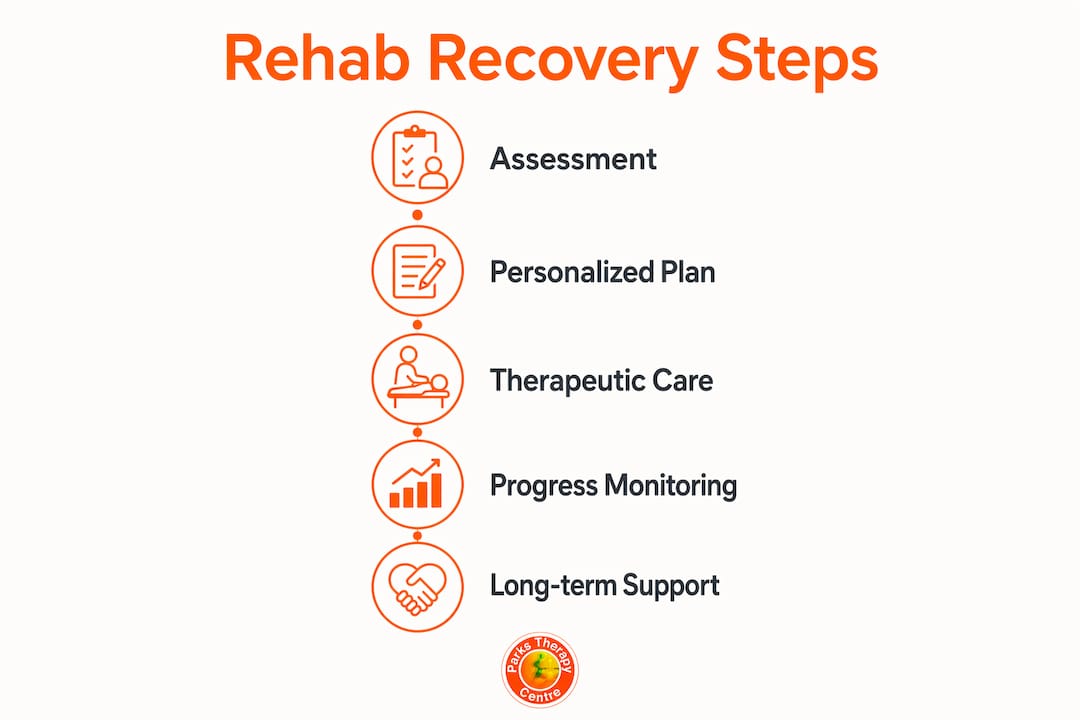
A well-structured multidisciplinary plan typically progresses through these stages:
Acute management: Pain control, inflammation reduction, and gentle mobilisation in the first one to two weeks.
Restoration phase: Targeted exercises to rebuild range of motion, strength, and coordination over weeks two to six.
Functional rehabilitation: Task-specific training that mirrors the demands of your daily life and work, from weeks six onward.
Maintenance and prevention: Ongoing exercise and education to prevent recurrence and manage any residual symptoms.
Pro Tip: Keep a daily recovery journal from day one. Note your pain levels, sleep quality, mood, and any new symptoms. This record helps your therapist adjust your plan and provides vital documentation if you pursue an insurance or legal claim.
What practical steps can accident survivors take to start rehab well?
The 72-hour window after a collision is the most critical period for assessment. Seeking a professional evaluation within this window allows clinicians to identify latent soft tissue injuries before chronic inflammation and muscle guarding set in. Waiting longer does not make the problem go away. It makes it harder to treat.
Steps to take in the first week after a car accident:
Seek a medical evaluation within 72 hours, even if you feel well
Request imaging or specialist referral if the clinician identifies soft tissue concerns
Begin physiotherapy or chiropractic care as soon as it is clinically appropriate
Avoid complete rest. Gentle, guided movement promotes healing better than immobility
Document all symptoms, treatments, and appointments from the start
Once treatment begins, adherence to your personalised plan is the single biggest factor in how well you recover. Prematurely stopping treatment after pain reduces is a common error that leads to chronic pain and complications such as post-traumatic arthritis. Pain reduction is not the same as full recovery. Tissue remodelling and strength restoration continue long after the pain has eased.
Your rehab plan should evolve as you progress. A good therapist reassesses your condition regularly and adjusts exercises, manual therapy techniques, and goals accordingly. If your plan has not changed in four weeks, ask why. Static plans are a sign that progress is not being properly tracked. You can also support your recovery at home with physiotherapy home exercises recommended by your therapist between clinic sessions.
Legal and medical documentation of your rehabilitation plan also matters. Documented rehab records validate hidden injuries and protect your rights if you pursue a compensation claim. Every appointment, every assessment, and every treatment note builds the evidence base for your case.
Key takeaways
Structured, early rehabilitation is the most effective way to prevent chronic pain, restore function, and return to normal life after a car accident.
Point | Details |
Start within 72 hours | Early assessment prevents chronic inflammation and identifies hidden soft tissue injuries before they worsen. |
Mental health is part of recovery | 1 in 3 accident survivors experience PTSD or anxiety; integrated psychological support improves physical outcomes. |
Do not stop at pain relief | Ending treatment when pain eases risks chronic pain and post-traumatic arthritis; full tissue recovery takes longer. |
Multidisciplinary care works | Combining physiotherapy, chiropractic care, and psychological support produces better results than any single treatment. |
Document everything | Detailed rehab records support insurance claims and protect your legal rights after a collision. |
What I have learned from watching people rush their recovery
The most common mistake I see is patients treating pain relief as the finish line. The moment the sharp pain fades, the temptation to stop attending sessions and return to normal activity is almost universal. That decision is where long-term problems are born.
What the research confirms, and what I have observed repeatedly, is that the tissues healing beneath the surface are nowhere near ready when the pain quietens. Collagen remodelling in ligaments and tendons takes months. Neuromuscular control, the ability of your muscles to fire in the right sequence at the right time, takes structured, progressive training to restore. Stopping early leaves both incomplete.
The other misconception worth addressing directly is the idea that rehabilitation is purely physical. Patients who dismiss the psychological dimension of their recovery consistently take longer to return to full function. Fear of movement, hypervigilance about pain, and disrupted sleep all feed back into the physical symptoms. A post-injury training plan that accounts for both body and mind is not a luxury. It is the standard of care.
Set realistic expectations from the start. Recovery is not linear. There will be days when you feel worse than the day before, and that is normal. The goal is a trend toward improvement over weeks, not perfection every day. Patients who understand this stay in treatment longer and achieve far better outcomes than those who interpret a bad day as evidence that rehab is not working.
— Ivan
Parkstherapycentre: structured support for your recovery
Recovering from a car accident requires more than rest. It requires a plan built around your specific injuries, your lifestyle, and your goals.
Parkstherapycentre has provided multidisciplinary rehabilitation care since 1986, with clinics across Bedfordshire and Buckinghamshire. The team includes physiotherapists, sports therapists, and acupuncturists who work together to build personalised treatment plans from your first assessment onward. Insurance cover is accepted, and online booking is available for your convenience. If you are ready to begin structured care, book your assessment with Parkstherapycentre and take the first step toward a full recovery.
FAQ
How soon after a car accident should I start rehabilitation?
The critical assessment window is within 72 hours of the collision. Starting this early prevents chronic inflammation and allows clinicians to identify soft tissue injuries before they become long-term problems.
Can rehabilitation help with whiplash and soft tissue injuries?
Physiotherapy and manual therapy are the primary treatments for whiplash and soft tissue injuries after a collision. Delayed symptoms like stiffness and headaches are common indicators of soft tissue damage that respond well to structured rehab.
Does rehabilitation help with mental health after a car accident?
Yes. 1 in 3 accident survivors experience PTSD or anxiety following a collision, and untreated mental health issues prolong physical recovery. Integrated rehabilitation that includes psychological support produces better overall outcomes.
What happens if I stop rehabilitation early?
Stopping treatment prematurely after pain reduces significantly increases the risk of developing chronic pain and complications such as post-traumatic arthritis. Full tissue recovery continues well beyond the point at which pain eases.
How does rehabilitation support an insurance or legal claim?
Documented rehabilitation records validate hidden injuries and protect your rights in compensation proceedings. Every assessment, treatment note, and progress report builds the evidence base for your claim.
Recommended