
Why prehabilitation matters: your surgery prep guide
- Jul 1
- 8 min read

TL;DR:
Prehabilitation improves surgery outcomes by reducing complications and shortening hospital stays through tailored physical, nutritional, and psychological programs. Even short, 2-4 week initiatives enhance physical fitness and mental readiness, especially for older or frail patients. Starting early and focusing on exercise, nutrition, and education helps patients arrive in better condition and with increased confidence.
Prehabilitation is defined as a structured programme of physical exercise, nutritional support, and psychological preparation completed before surgery to improve recovery outcomes and reduce complications. The American College of Surgeons endorses prehabilitation as a core component of surgical care, and the evidence is compelling: exercise and nutrition programmes reduce postoperative complications by up to 48% and shorten hospital stays by 11%. That is not a marginal gain. For anyone facing surgery, understanding why prehabilitation matters could be the single most useful thing you do before your operation date.
Why prehabilitation matters: what the evidence actually shows
The science behind prehabilitation is now well established, and the results are difficult to ignore. Postoperative complications fell by nearly half in patients who completed combined exercise and nutrition programmes before surgery. That reduction translates directly into fewer infections, less time in intensive care, and a faster return to normal life.
Colorectal surgery patients show particularly strong gains. A 2026 umbrella review found a 21% reduction in complications in colorectal patients who completed prehabilitation, alongside a functional capacity improvement of approximately 35 metres in the six-minute walk test. The six-minute walk test is a standard clinical measure of aerobic fitness. A 35-metre improvement before surgery means patients arrive at the operating table in meaningfully better physical condition.
The benefits extend to older and frailer patients too. A randomised clinical trial of 347 older patients with frailty found that multimodal prehabilitation cut complication rates from 28.7% to 17.2%. The median patient age was 70, which challenges the assumption that prehabilitation is only for younger, fitter people.
Outcome | Evidence |
Overall complication reduction | Up to 48% with combined exercise and nutrition programmes |
Hospital stay reduction | 11% shorter average stay across surgical populations |
Colorectal complication reduction | 21% fewer complications in colorectal surgery patients |
Functional capacity gain | 35-metre improvement in six-minute walk test |
Frail patient complication rate | Reduced from 28.7% to 17.2% in older patients |
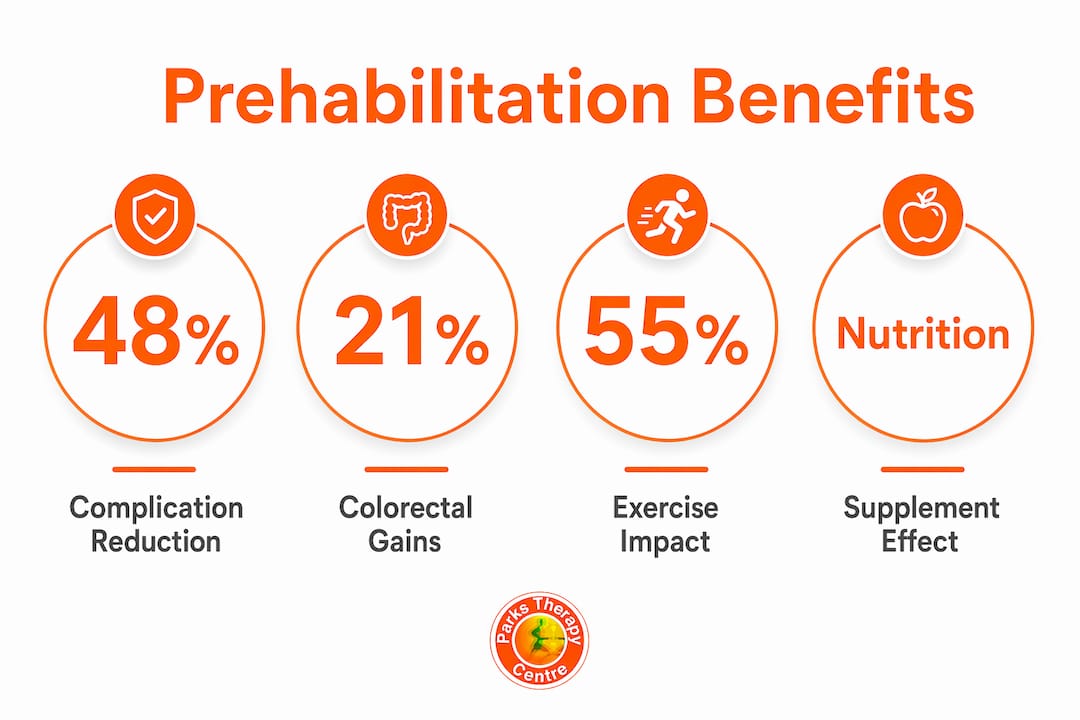
Exercise and nutrition do not produce identical benefits. Exercise programmes reduced complications by 55%, while nutrition-focused programmes had a stronger effect on shortening hospital stay by approximately 14%. This distinction matters when designing a programme, because the two components target different physiological systems.
What does a prehabilitation programme actually include?
Prehabilitation is not a single protocol. It is a spectrum of interventions tailored to each patient’s baseline health, age, frailty level, and surgery type. That flexibility is precisely what makes it effective across such a wide range of patients.
A well-designed programme typically combines four components:
Physical exercise: aerobic training, strength work, and flexibility exercises matched to the patient’s current fitness level
Nutritional support: dietary adjustments to support immune function, wound healing, and muscle preservation
Psychological preparation: education about the surgical process, pain management strategies, and anxiety reduction techniques
Patient education: realistic expectation-setting, complication awareness, and guidance on what recovery involves
The exercise component is calibrated to the individual. Fitter, younger patients benefit from high-intensity interval training (HIIT), which generates greater physiological gains in a shorter time. Frailer or older patients respond better to lower-intensity aerobic and strength work. Pushing a frail 75-year-old through HIIT sessions is counterproductive. A gentle walking programme combined with seated resistance exercises produces the right adaptation without the injury risk.
Programme length varies considerably. The standard recommendation is to begin as early as possible after diagnosis, but even 2–4 week programmes produce clinically meaningful improvements. This is reassuring for patients who receive a short notice surgical date. You do not need months of preparation to benefit.
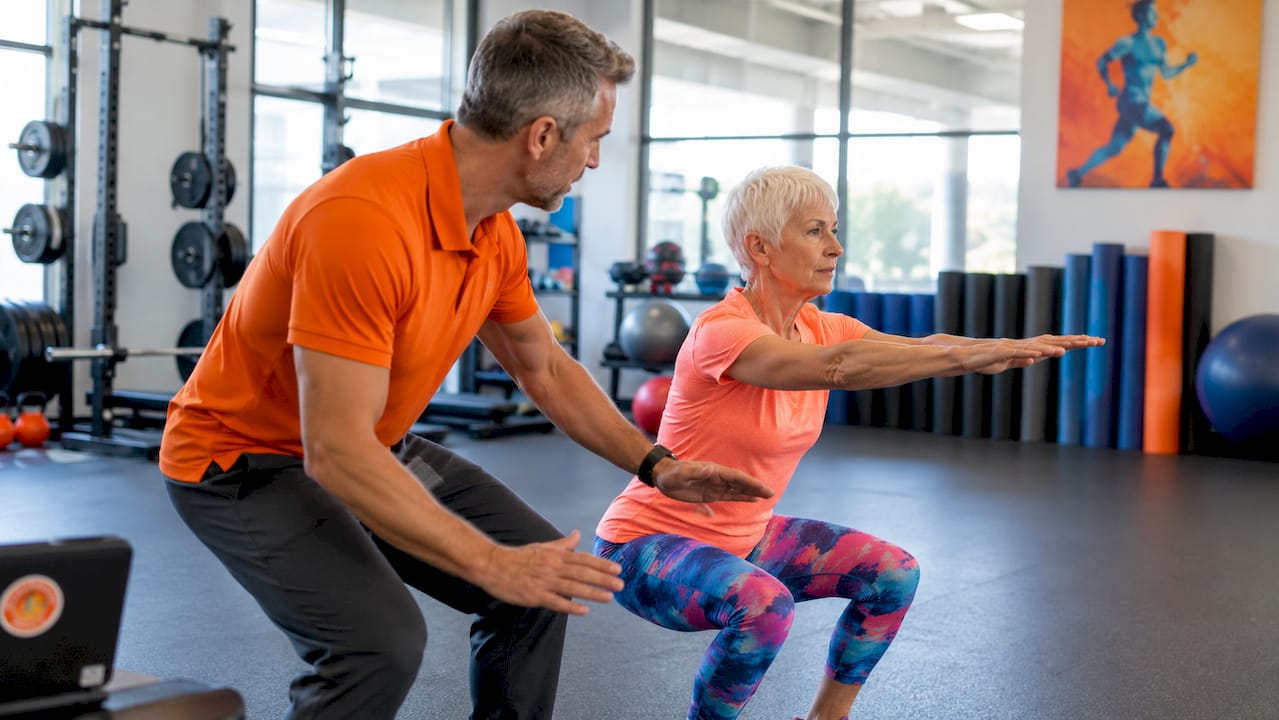
Pro Tip: If your surgery date is confirmed with less than four weeks’ notice, focus on three things: daily walking, protein intake, and one guided relaxation or breathing session per day. These three elements alone address the core physical and psychological demands of surgical recovery.
Nutrition deserves particular attention. Protein supports muscle mass and immune function, both of which decline during and after surgery. Patients who arrive at surgery with adequate nutritional status heal faster and experience fewer wound complications. A dietitian can assess your baseline and recommend specific adjustments based on your surgery type and any existing health conditions.
How does prehabilitation improve mental readiness before surgery?
Physical preparation is only half the picture. Psychological support is a fundamental component of successful prehabilitation, and its effects on outcomes are measurable. Patients who receive education and mental health support arrive at surgery with lower anxiety, better compliance with post-operative instructions, and a stronger sense of control over their recovery.
The physical and psychological benefits reinforce each other. When patients understand what to expect from surgery and recovery, they are less frightened. Less fear means better sleep before the operation, lower stress hormone levels, and a body that is physiologically better prepared for the stress of anaesthesia and tissue repair.
“98% of patients who completed a combined exercise and education prehabilitation programme said they would recommend it to others, and 90% specifically valued the combination of physical exercise with patient education.” NSW Government Health
That level of patient satisfaction reflects something beyond clinical outcomes. Patients feel empowered rather than passive. Prehabilitation shifts the surgical experience from passive waiting to active preparation, and that psychological shift has real consequences for recovery. Patients who feel in control tend to adhere better to post-operative physiotherapy, return to activity sooner, and report higher satisfaction with their overall care.
For patients facing major surgery, the anxiety of waiting can be debilitating. A structured prehabilitation programme gives that waiting period a purpose. You are not simply counting down days. You are actively building the physical and mental reserves that will carry you through the operation and beyond. Parkstherapycentre’s multidisciplinary therapy approach addresses exactly this combination of physical and psychological preparation.
What practical steps can you take to start prehabilitation?
Starting prehabilitation does not require a complex setup. The most important step is to begin as soon as you know surgery is planned. Here is a practical framework for getting started:
Speak to your surgical team. Ask whether a formal prehabilitation programme is available through your hospital or referral pathway. Many NHS trusts now offer structured prehabilitation for major elective surgery.
Consult a physiotherapist. A physiotherapist will assess your baseline fitness, identify any movement limitations, and design an exercise programme appropriate for your surgery type. For patients preparing for knee or hip surgery, prehab before surgery is particularly well evidenced.
See a dietitian. A dietitian will review your current diet and recommend adjustments to support healing. Protein, vitamin C, zinc, and iron are particularly relevant to surgical recovery.
Engage with patient education materials. Ask your surgical team for written or video resources about your procedure, expected recovery timeline, and pain management options.
Address anxiety directly. If you are experiencing significant preoperative anxiety, ask for a referral to a clinical psychologist or ask whether your prehabilitation programme includes a psychological support component.
Track your progress. Keep a simple log of your daily exercise, meals, and mood. Progress tracking improves adherence and gives you concrete evidence of improvement before surgery.
The types of exercises most useful in prehabilitation include walking, cycling, swimming, bodyweight squats, step-ups, and resistance band work. These exercises build the aerobic capacity and lower limb strength that most surgical recoveries demand. Flexibility work, particularly for the hip flexors and thoracic spine, reduces post-operative stiffness and supports early mobilisation.
Pro Tip: Start a daily 20-minute walk the week you receive your surgery date. Walking is the single most accessible prehabilitation exercise, requires no equipment, and directly improves the aerobic capacity measured in the six-minute walk test used to assess surgical fitness.
Common pitfalls include starting too late, focusing only on exercise while neglecting nutrition, and underestimating the value of psychological preparation. Patients who treat prehabilitation as purely physical often struggle more with the emotional demands of recovery. The post-surgery rehabilitation process is considerably smoother when the psychological groundwork has been laid before the operation.
Key takeaways
Prehabilitation reduces postoperative complications by up to 48%, shortens hospital stays, and improves both physical fitness and mental readiness before surgery.
Point | Details |
Start early | Even a 2–4 week programme produces clinically meaningful improvements in surgical outcomes. |
Exercise targets complications | Exercise-based prehabilitation reduces complications by up to 55%, more than nutrition alone. |
Nutrition shortens hospital stay | Nutrition-focused programmes reduce hospital stay by approximately 14%. |
Psychology is not optional | Education and mental support improve compliance, reduce anxiety, and improve recovery trajectory. |
Tailoring is essential | Frail and older patients need lower-intensity programmes; fitter patients benefit from higher-intensity work. |
What I have seen prehabilitation actually do for patients
I have worked with patients at every stage of surgical preparation, and the difference between those who arrive at surgery having done prehabilitation and those who have not is stark. It is not just about fitness scores or walk test results. It is about the look in someone’s eyes when they walk into the clinic the week before their operation.
Patients who have completed even a short prehabilitation programme carry themselves differently. They ask better questions. They understand what is about to happen to their body. They have already proved to themselves that they can do hard things, because they have been doing hard things every day for the past month. That psychological shift is not a soft benefit. It is a clinical one.
The research now confirms what clinicians have observed for years: the psychological education component is the piece most often underestimated. Without it, patients struggle to maintain exercise compliance, and the physical gains are smaller. With it, the whole programme becomes self-reinforcing. Patients who understand why they are doing the work are the ones who actually do it.
The most common mistake I see is patients treating prehabilitation as something to consider only if they have plenty of time before surgery. The evidence does not support that hesitation. A structured two-week programme started promptly after diagnosis produces real, measurable benefit. Waiting for the “right moment” is the same as not starting at all.
Prehabilitation is also changing how clinicians think about surgical risk. Frailty is no longer seen as a fixed state. It is modifiable. A 70-year-old patient who completes a supervised multimodal programme arrives at surgery physiologically younger than they were at diagnosis. That is a genuinely remarkable thing, and it is why prehabilitation is moving from optional extra to standard of care.
— Ivan
Prehabilitation support at Parkstherapycentre
Parkstherapycentre has supported patients across Bedfordshire and Buckinghamshire since 1986, with a multidisciplinary team that includes physiotherapists, sports injury specialists, and podiatrists experienced in surgical preparation.
Whether you are preparing for orthopaedic, abdominal, or other elective surgery, Parkstherapycentre offers personalised prehabilitation assessments that address exercise, movement, and recovery planning. The team works with your surgical pathway to build a programme matched to your fitness level, surgery type, and timeline. Book an assessment through Parkstherapycentre’s online booking and arrive at your operation date in the best possible condition.
FAQ
What is prehabilitation and how does it differ from rehabilitation?
Prehabilitation is structured physical, nutritional, and psychological preparation completed before surgery. Rehabilitation begins after surgery to restore function, whereas prehabilitation builds the reserves needed to withstand and recover from the operation itself.
How long does a prehabilitation programme need to be?
Even a 2–4 week programme produces clinically meaningful improvements in functional capacity and complication rates. Starting as early as possible after diagnosis is recommended, but a short programme is far better than none.
Does prehabilitation help older or frail patients?
A randomised trial of 347 older patients with frailty found that multimodal prehabilitation reduced complication rates from 28.7% to 17.2%. Frail patients often gain the greatest risk reduction from lower-intensity, supervised programmes.
What exercises are most useful in prehabilitation?
Walking, cycling, bodyweight squats, step-ups, and resistance band exercises are the most commonly used. The specific programme depends on your baseline fitness and surgery type, so a physiotherapist assessment is the right starting point.
Can prehabilitation reduce anxiety before surgery?
Patient surveys show that combining exercise with education and psychological support significantly reduces preoperative anxiety. Understanding the surgical process and building physical confidence both contribute to a calmer, better-prepared patient.
Recommended